Read on nature.com
Vernon Morris: Championing Anti-Racism and Inclusion in the Geosciences
Vernon Morris, a pioneering atmospheric scientist and the first African American to earn a PhD in Earth and atmospheric sciences from Georgia Tech, has dedicated his career to combating systemic racism in science. As the founding director of the first atmospheric sciences PhD program at a historically Black college, he has dramatically increased diversity in the field. This article explores his journey, his groundbreaking research on dust storms and microbial transport, and his unwavering advocacy for anti-racism through initiatives like 'No Time for Silence,' highlighting his profound impact on creating a more equitable scientific community.
In the often homogenous landscape of geoscience, figures like Vernon Morris stand as powerful catalysts for change. A distinguished atmospheric scientist and a relentless advocate for equity, Morris's career is a testament to the transformative power of combining scientific excellence with a deep commitment to social justice. His work challenges the status quo, not only through his research on global dust transport but through his foundational efforts to dismantle barriers for scientists of color. This article delves into the legacy of a man who, from being a trailblazing student to becoming an associate dean and award-winning mentor, has consistently used his platform to call for anti-racism and inclusive practice within the scientific community.

A Trailblazing Career and Foundational Impact
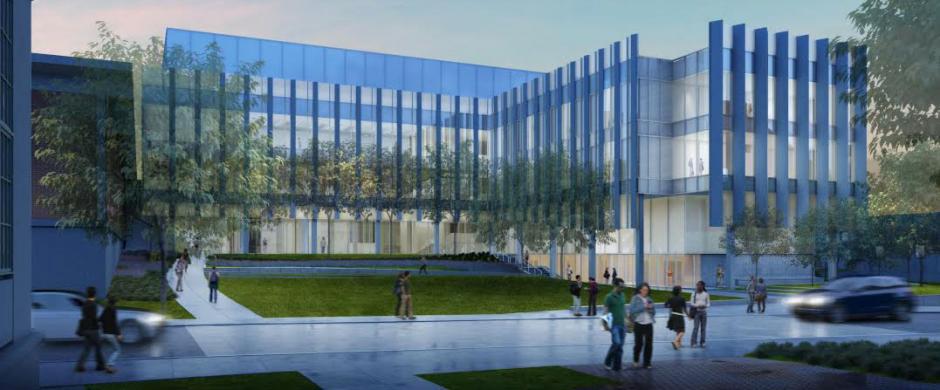
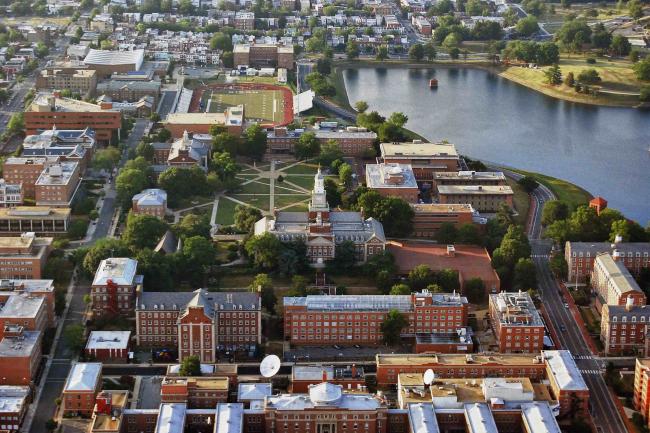
Vernon Morris's path was historic from the outset. In 1991, he became the first African American to earn a doctorate in Earth and atmospheric sciences from the Georgia Institute of Technology, joining fewer than a dozen Black atmospheric sciences PhD holders in the United States at that time. This experience cemented his understanding of the systemic barriers within the field. In 2001, as a professor at Howard University in Washington DC, he addressed this disparity head-on by becoming the founding director of the first PhD-granting graduate program in atmospheric sciences at a historically Black college and university (HBCU). The impact was monumental: between 2006 and 2018, this single program produced at least 50% of African American and 30% of Latinx PhD graduates in atmospheric sciences in the United States.
Groundbreaking Scientific Research
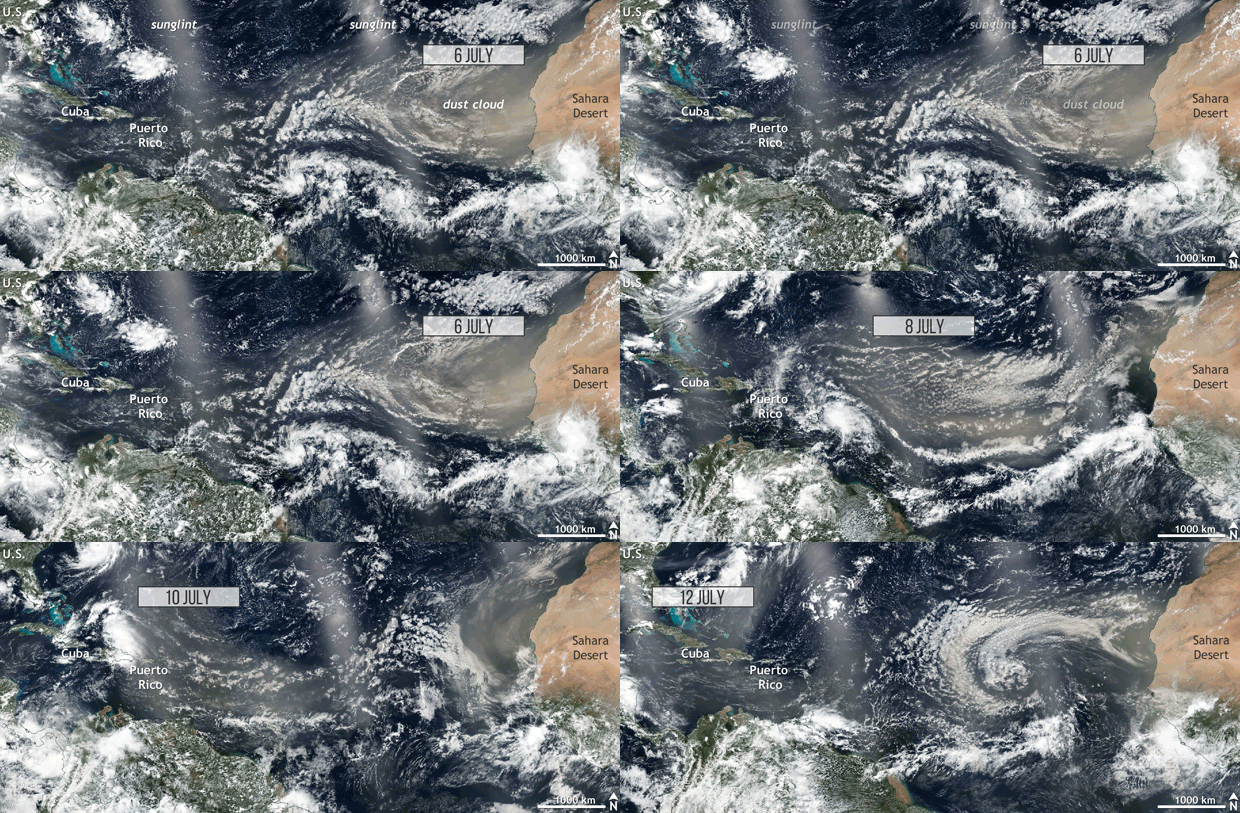
Parallel to his advocacy, Morris established himself as a leading researcher specializing in airborne particle processes. His work focuses on the long-range transport of mineral dust from deserts and densely populated megacities, data critical for improving global weather and climate models, particularly for predicting hurricanes and tropical storms. A key discovery from his team overturned previous assumptions. While early theories suggested microbes would die during atmospheric transport due to radiation and lack of moisture, Morris's direct, in-situ measurements of dust storms revealed active microbial communities on transported sand grains. "We're finding fairly rich microbial populations on those grains," Morris notes, and these populations "change as the surface chemistry changes." This research has significant implications, showing how particle transport can affect ecosystem health across continents through microbial exchange.
The 'No Time for Silence' Initiative and Facing Criticism
Morris's commitment to equity is institutionalized through initiatives like No Time for Silence, a collaborative call to action for anti-racism in geoscience. This advocacy has not been without significant pushback. He recounts facing active opposition when establishing the Howard University program, with critics questioning the interest and competitiveness of students from minoritized communities—a challenge he met by identifying over 200 qualified candidates. He has also faced direct attempts to disrupt his talks on racial disparities in science. Morris draws strength from a lifetime of activism, including his experiences with civil rights demonstrations in the 1980s. "I've seen how bad it can get," he states, framing contemporary criticism as less intimidating. His approach is to not let uninformed criticism dictate his response, focusing instead on the data and the moral imperative for change.
A Legacy of Mentorship and Recognition
The far-reaching impact of Morris's work is perhaps best measured in the generations he has influenced. Recognized with the American Geophysical Union’s Lifetime Achievement Award for Diversity and Inclusion in 2023, he has mentored over 200 students and geoscientists of color and created partnerships benefiting at least 1,000 undergraduate and graduate students. Now serving as an associate dean at Arizona State University, his advice to young researchers centers on intellectual passion and self-definition: "Try to find the enjoyment in the creation or advancement of knowledge. Relishing the life of the mind is important. Don't let someone else define your success for you."
Conclusion: The Imperative for Intellectual Activists
Vernon Morris embodies the essential role of the intellectual activist in modern science. His career demonstrates that advancing human knowledge and advancing human equity are not separate endeavors but are intrinsically linked. By building pipelines for talent, conducting rigorous science that challenges old paradigms, and steadfastly advocating for anti-racist policies, Morris has created a blueprint for systemic change. His story is a powerful call to the broader scientific community to move beyond passive support and into committed action, ensuring that the future of geoscience—and all scientific fields—is built on a foundation of true inclusion and justice.