Immune Cells Use Neuron-Like Signaling to Accelerate Muscle Healing
Groundbreaking research from Cincinnati Children's Hospital reveals that specific immune cells called macrophages can form synaptic-like connections with muscle fibers, delivering rapid calcium pulses that trigger muscle repair within seconds. This neuron-like mechanism works in both injury and disease models, offering potential new therapeutic approaches for muscle recovery and degenerative conditions. The discovery represents a paradigm shift in understanding how the immune system interacts with muscle tissue.
In a remarkable discovery that challenges conventional understanding of immune system function, researchers have identified a previously unknown mechanism where immune cells communicate with muscle tissue using lightning-fast, neuron-like signals to promote healing. This breakthrough finding from Cincinnati Children's Hospital Medical Center reveals how specific macrophages form synaptic-like connections with muscle fibers, delivering calcium pulses that trigger repair processes within seconds of activation.

The Discovery Process
The research team, led by first author Gyanesh Tripathi, PhD, and corresponding author Michael Jankowski, PhD, made this unexpected finding while investigating pain relief mechanisms during surgical recovery. Although their original goal was to reduce dependence on pain medications with significant side effects, they instead uncovered a rapid repair process that accelerates muscle healing. The findings were published in Current Biology on November 21, 2025, representing a significant advancement in our understanding of cellular repair mechanisms.
Macrophages: More Than Just Cleanup Crews
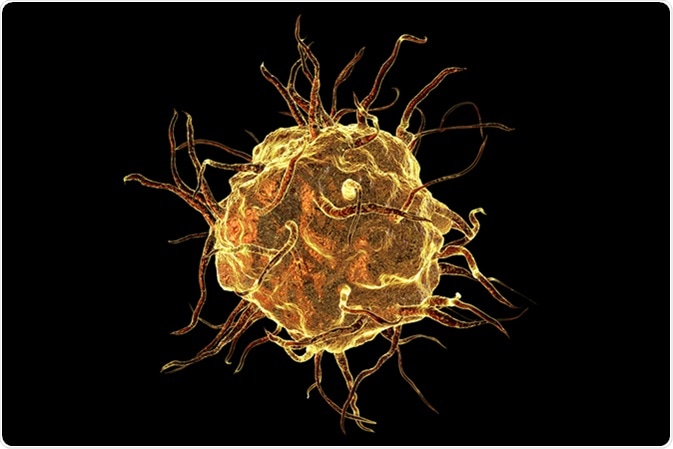
Traditionally known for their role as the body's cellular cleanup crew—removing bacteria, dead cells, and other unwanted material—macrophages have now been shown to possess sophisticated signaling capabilities previously associated only with neurons. According to Dr. Jankowski, "The biggest surprise about this was finding that a macrophage has a synaptic-like property that delivers an ion to a muscle fiber to facilitate its repair after an injury. It's literally like the way a neuron works, and it's working in an extremely fast synaptic-like fashion to regulate repair."
The Rapid Repair Mechanism
Through experiments using mouse models of different injury types, researchers observed infiltrating macrophages—those that arrive at damage sites rather than residing in tissue—forming direct connections with myofibers. Using brief chemical activations, the team captured real-time evidence of these immune cells releasing calcium ions directly to muscle fibers, causing measurable electrical activity within 10 to 30 seconds. This immediate response represents one of the fastest known cellular repair mechanisms in the body.
Applications Across Injury and Disease Models
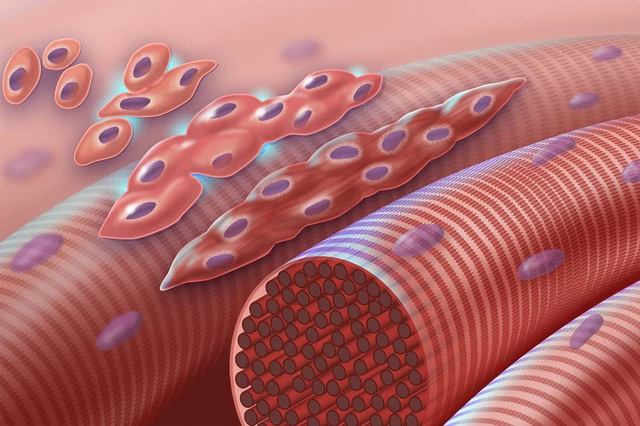
The synaptic-like signaling demonstrated effectiveness in both acute injury scenarios and disease-based muscle damage models. In mice with disease-like muscle conditions, the macrophage-driven signaling triggered waves of muscle fiber activity that resulted in substantially more new muscle formation after 10 days compared to control groups. This consistent performance across different damage types suggests the mechanism could have broad therapeutic applications.
Future Research Directions
While the discovery opens exciting possibilities for new treatments, several important questions remain. Researchers must determine whether human macrophages exhibit the same behavior and develop methods to safely control the process for therapeutic use. Interestingly, despite accelerating healing, the macrophages did not reduce acute pain—a finding that may help explain why approximately 20% of children experience lingering pain after surgery. The team also plans to explore whether macrophages can deliver other beneficial signals or materials to muscle cells.
The implications of this research extend beyond muscle repair, suggesting that macrophages might eventually serve as specialized delivery vehicles for cell-based therapies targeting various medical conditions. As our understanding of immune cell capabilities continues to evolve, this discovery represents a significant step toward developing more effective treatments for muscle wasting diseases, sports injuries, and age-related muscle degeneration.