Read on nature.com
Debarati Chatterjee: Championing Gender Equity in Indian Science
Theoretical astrophysicist Debarati Chatterjee is breaking barriers as the first woman professor at India's Inter-University Centre for Astronomy and Astrophysics. Her journey from overcoming sexual harassment and discrimination to becoming a leading voice for gender equity in science demonstrates the power of resilience and advocacy. Through her pioneering research in gravitational-wave science and extensive outreach efforts, Chatterjee is creating a more inclusive scientific community while inspiring the next generation of female scientists in India.
The landscape of Indian science is undergoing a quiet revolution, led by pioneering women like Debarati Chatterjee who are challenging systemic barriers and creating more inclusive research environments. As a theoretical astrophysicist specializing in gravitational-wave science, Chatterjee has not only made significant contributions to understanding neutron stars but has also become a powerful advocate for gender equity in a field where women remain significantly underrepresented.

Breaking Institutional Barriers
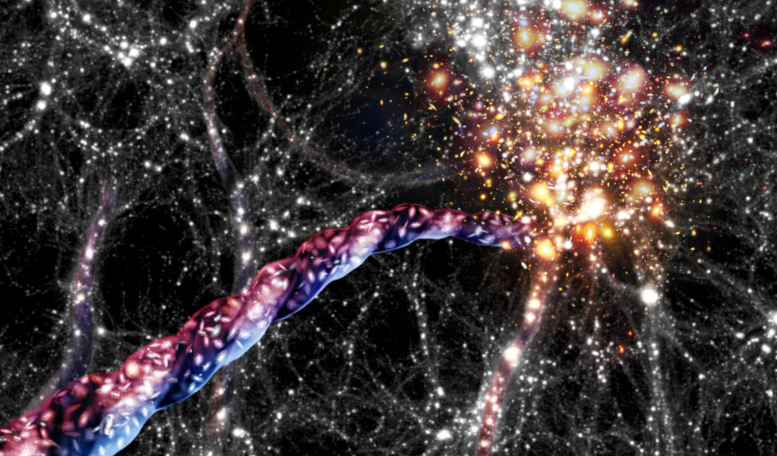
Chatterjee's appointment as full professor at the Inter-University Centre for Astronomy and Astrophysics (IUCAA) in Pune marked a historic milestone. In June 2025, she became the first woman to achieve this position in the institution's 37-year history, a testament to both her scientific excellence and her perseverance in navigating a male-dominated field. Her research focuses on neutron stars—the ultra-dense remnants of collapsed massive stars—using gravitational waves to probe their mysterious interior composition.
Overcoming Professional Challenges
Chatterjee's path to success was paved with significant obstacles that she transformed into motivation for systemic change. During her PhD studies, she faced persistent sexual harassment from a senior scientist who repeatedly undermined her confidence and work. "This person often told me that I was not good enough and that my work was inconsequential," she recalls in her Nature interview. The situation became so severe that it triggered clinical depression, requiring therapeutic intervention.

International Experience and Perspective
Her international experience, including a postdoctoral position in Germany beginning in 2010, provided both challenges and opportunities. Chatterjee encountered racial and gender biases in the global scientific community, where she observed that "prejudices based on race, class and gender also existed in the international scientific community." Rather than retreating, she responded by learning five languages fluently enough to give interviews in them, demonstrating her commitment to overcoming communication barriers and building diverse professional networks.
Advocacy and Outreach Initiatives
Chatterjee has translated her personal experiences into concrete action for institutional change. She served as a core member of IUCAA's committee to combat sexual harassment and participated in the Astronomical Society of India's Working Group for Gender Equity. Through these roles, she helped run campaigns highlighting pioneering work by female Indian scientists, ensuring their contributions receive proper recognition. Her science communication efforts extend beyond formal committees—this year she launched the Indian branch of the Pint of Science festival, bringing researchers to pubs and cafés across three cities to share their work with the public.
Inspiring Future Generations
Perhaps most significantly, Chatterjee has dedicated substantial effort to inspiring girls and young women to pursue scientific careers. She has popularized the science behind the planned Laser Interferometer Gravitational-Wave Observatory-India (LIGO-India), delivering talks at schools, universities, and astronomy clubs across India. Her outreach focuses particularly on rural areas, including Hingoli where LIGO-India will be constructed, ensuring that geographic and socioeconomic barriers don't prevent talented students from accessing scientific opportunities.
A Vision for Inclusive Science
Chatterjee's approach to addressing discrimination is rooted in practical resilience and systematic advocacy. "These experiences have motivated me to stand up for myself, and to work towards diversity, equity and inclusion to set an example for others who might not speak up because of a lack of support," she explains. Her journey demonstrates that creating lasting change requires both individual courage and institutional commitment. As more women follow in her footsteps, the face of Indian science is gradually transforming into a more representative and inclusive community where talent, rather than gender, determines success.