 Read on cbsnews.com
Trump Designates Saudi Arabia as Major Non-NATO Ally, Strengthening Defense Ties
President Trump announced the designation of Saudi Arabia as a major non-NATO ally during a White House dinner honoring Crown Prince Mohammed bin Salman. This strategic move marks a significant upgrade in U.S.-Saudi defense cooperation, potentially facilitating easier access to American military equipment and deeper military collaboration. The announcement came alongside new defense agreements and discussions about Saudi Arabia's potential participation in the Abraham Accords, though questions remain about the kingdom's human rights record and the 2018 killing of journalist Jamal Khashoggi.
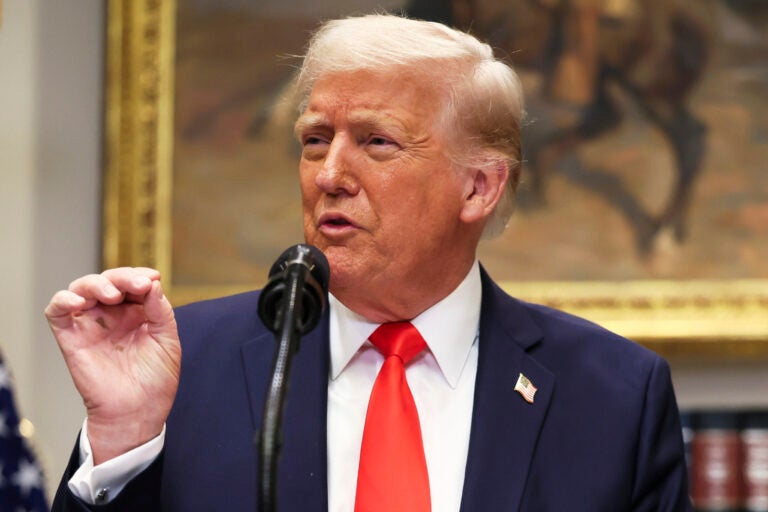
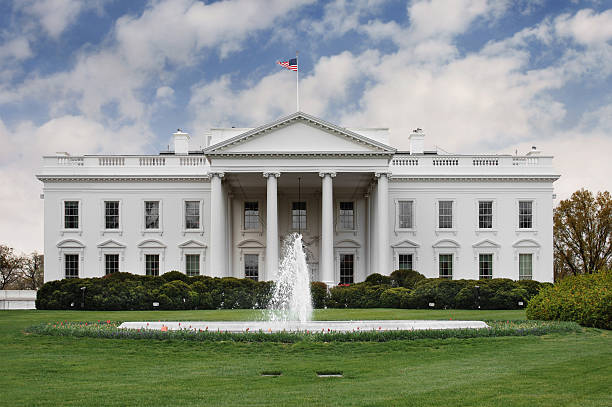
President Trump announced a significant upgrade in U.S.-Saudi relations on Tuesday, designating Saudi Arabia as a major non-NATO ally during an elaborate White House ceremony honoring Crown Prince Mohammed bin Salman. This strategic designation represents a formal elevation of defense ties between the United States and the Gulf monarchy, potentially opening new avenues for military cooperation and equipment sharing.

Strategic Defense Partnership
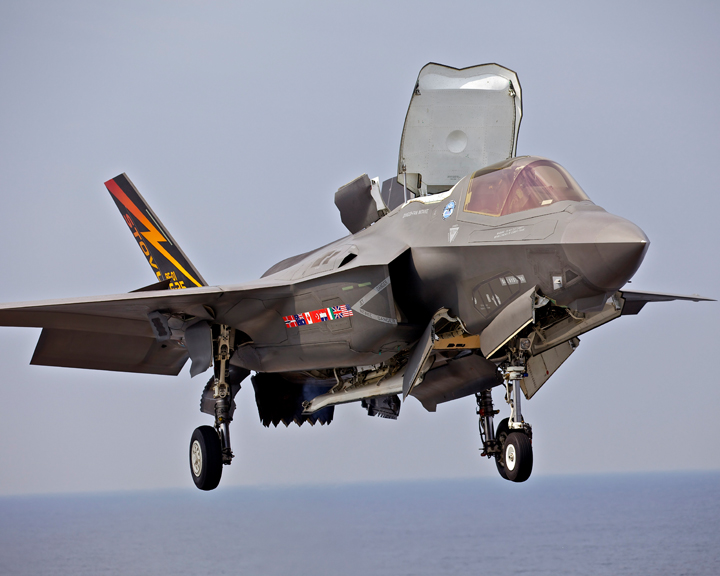
The major non-NATO ally designation was announced at a black-tie dinner at the White House, marking the culmination of a day filled with ceremonial events and substantive discussions between the two leaders. Earlier in the day, President Trump and Crown Prince Mohammed bin Salman signed a new strategic defense agreement, with the president confirming that the United States will sell F-35 fighter jets to Saudi Arabia. This designation could facilitate easier access to U.S.-made military equipment and enable deeper collaboration between the American and Saudi militaries.
President Trump emphasized the symbolic importance of this move during his remarks, stating that it would take "our military cooperation to even greater heights." He further articulated that "a stronger and more capable alliance will advance the interests of both countries, and it will serve the highest interests of peace." The designation places Saudi Arabia among an exclusive group of 20 major non-NATO allies that includes other Middle Eastern nations such as Israel, Qatar, Kuwait, Bahrain, Egypt, Tunisia, and Jordan.
Historical Context and Economic Implications
The U.S.-Saudi relationship spans eight decades, beginning with the historic 1945 meeting between King Abdulaziz Ibn Saud and President Franklin Delano Roosevelt aboard a U.S. Navy cruiser. This long-standing partnership has been characterized by defense cooperation and, in recent decades, a shared strategic rivalry with Iran. The White House announced that the enhanced partnership would include Saudi Arabia purchasing hundreds of tanks and fighter jets while collaborating with the United States on artificial intelligence and civil nuclear initiatives.
The economic dimensions of this strengthened relationship are substantial, with Crown Prince Mohammed bin Salman pledging to increase Saudi investment in the United States from $600 billion to nearly $1 trillion. This commitment represents a significant economic boost and underscores the multifaceted nature of the U.S.-Saudi partnership that extends beyond military cooperation to encompass substantial economic ties.
Regional Diplomacy and Human Rights Concerns
The discussions between the two leaders also touched upon the potential for Saudi Arabia to join the Abraham Accords, the series of diplomatic agreements brokered by the Trump administration between Israel and majority-Muslim nations. While President Trump expressed confidence that Saudi Arabia would eventually join these accords, Crown Prince Mohammed bin Salman indicated that Saudi participation would require seeing a viable path toward establishing a Palestinian state.
However, the strengthened partnership occurs against the backdrop of ongoing human rights concerns regarding Saudi Arabia. American intelligence agencies concluded in 2021 that Crown Prince Mohammed bin Salman approved the 2018 killing of Jamal Khashoggi, a Saudi journalist who regularly criticized the kingdom's regime in The Washington Post. President Trump addressed these concerns by stating his belief that the crown prince "knew nothing" about the killing, while bin Salman described the incident as "really painful to hear" about.
Conclusion
The designation of Saudi Arabia as a major non-NATO ally represents a significant milestone in U.S. foreign policy and defense strategy in the Middle East. This move solidifies the defense partnership between the two nations while opening new possibilities for military cooperation and economic collaboration. As both countries navigate complex regional dynamics and address concerns about human rights, this enhanced relationship will likely have far-reaching implications for Middle Eastern geopolitics and America's strategic interests in the region for years to come.