How GLP-1 Drugs Like Ozempic Work in the Brain: New Research Reveals Pathways to Reduce Side Effects
Groundbreaking research presented at Neuroscience 2025 reveals how GLP-1 medications like Ozempic and Wegovy target specific brain circuits that control hunger, nausea, pleasure-based eating, and thirst. Scientists are discovering that the beneficial weight loss effects and unwanted side effects may originate from different brain regions, opening possibilities for developing treatments that maintain effectiveness while minimizing gastrointestinal discomfort. These findings could lead to next-generation weight loss therapies with improved patient tolerance and broader applications for addiction and eating disorders.
GLP-1 receptor agonists, including popular medications like Ozempic, Wegovy, and Mounjaro, have revolutionized weight loss and diabetes treatment by acting on brain systems that regulate appetite and metabolism. However, up to 40% of users experience significant side effects like nausea and vomiting, often leading them to discontinue treatment. Recent research presented at Neuroscience 2025, the Society for Neuroscience's annual meeting, provides crucial insights into how these drugs work in the brain and how scientists might separate their beneficial effects from unwanted side effects.
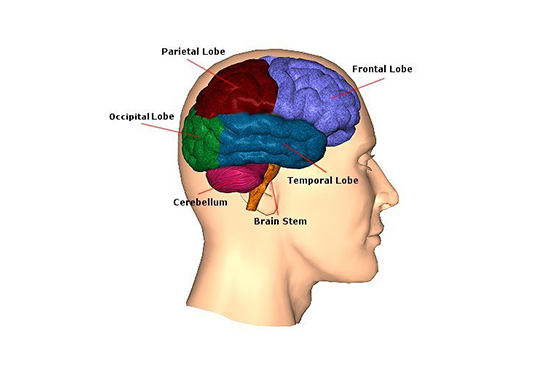
Brain Regions Responsible for Both Benefits and Side Effects
Scientists have identified specific brain areas that respond to GLP-1 medications, with different regions controlling various aspects of the drug's effects. The area postrema, known as the brain's vomit center, appears central to both weight loss and nausea responses. Research by Warren Yacawych at the University of Michigan demonstrated that targeting this region with GLP-1 receptor agonists produces both beneficial weight reduction and unpleasant nausea, suggesting this area mediates both effects simultaneously.
New Approaches to Minimize Side Effects
Researchers are exploring innovative combinations to maintain weight loss benefits while reducing gastrointestinal discomfort. James E. Blevins from the University of Washington found that combining low doses of tirzepatide with oxytocin nearly doubled weight loss effects in obese rats without increasing nausea indicators. The combination produced an 11% reduction in body weight compared to 6-7% with either treatment alone, while avoiding gastrointestinal side effects that often accompany higher GLP-1 drug doses.

Beyond Appetite: Additional Brain Effects
GLP-1 medications influence more than just hunger signals. Research by Derek Daniels at the University at Buffalo revealed these drugs also suppress thirst, with the median preoptic area in the forebrain appearing involved in this effect. Meanwhile, Ali D. Güler from the University of Virginia identified a newly discovered brain circuit connecting the central amygdala to the ventral tegmental area that dampens reward-driven eating by reducing dopamine activity in response to highly palatable foods.
Future Implications for Treatment Development
These findings have significant implications for developing next-generation weight loss therapies. As Lorenzo Leggio, MD, PhD, clinical director of the National Institute on Drug Abuse notes, "GLP-1 therapies appear to have multiple synergistic effects that may be useful for treating chronic diseases with overlapping neural mechanisms, including binge eating disorders and addictive disorders." The ability to target specific brain circuits could lead to medications that provide the metabolic benefits of current GLP-1 drugs while minimizing side effects that limit their use.
The research demonstrates that separating appetite suppression from nausea will be a major focus for improving these medications. By understanding exactly which brain regions and circuits control different aspects of GLP-1 drug effects, scientists can develop more targeted approaches that maintain therapeutic benefits while enhancing patient comfort and treatment adherence.