Breakthrough CBD Nano-Formulation Offers Pain Relief Without Side Effects
Researchers from the University of Rochester Medical Center have developed a revolutionary nano-micelle formulation called CBD-IN that effectively delivers CBD to the brain, providing rapid neuropathic pain relief without the movement or memory side effects typically associated with pain medications. In mouse studies, the formulation worked within 30 minutes and maintained effectiveness over repeated use. Surprisingly, the pain relief mechanism bypasses traditional cannabinoid receptors, instead directly calming abnormal nerve activity through electrical and calcium signaling pathways. This breakthrough suggests new possibilities for treating chronic pain and neurological disorders while avoiding the dependency risks of opioids and traditional cannabinoids.
Chronic pain affects millions worldwide, yet current treatments often come with significant side effects or dependency risks. A groundbreaking development from researchers at the University of Rochester Medical Center, in collaboration with Harvard Medical School and Boston Children's Hospital, may offer a new solution. Their innovative nano-micelle formulation, CBD-IN, represents a major advancement in pain management by effectively delivering CBD to the brain while avoiding the typical drawbacks of conventional treatments.

The Blood-Brain Barrier Challenge
The primary obstacle in developing effective CBD-based treatments has been the blood-brain barrier, a protective system that shields the brain from harmful substances. While essential for brain health, this barrier significantly limits how much CBD can enter the brain, especially because CBD does not dissolve well in water. As a result, very little of the CBD taken in its usual oil form reaches the brain, limiting its therapeutic potential for neurological conditions.
Nano-Micelle Delivery Breakthrough
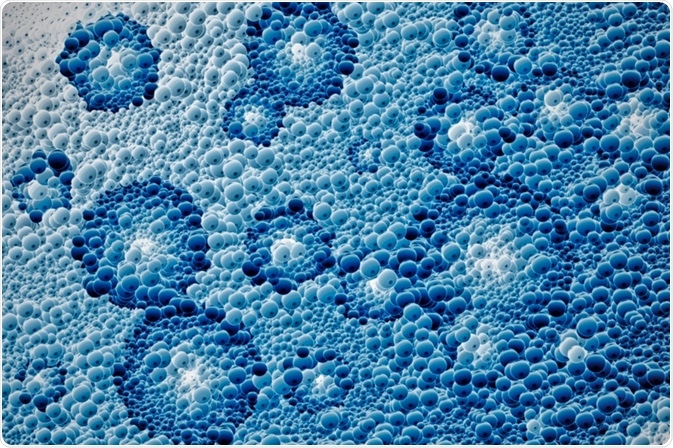
To overcome this challenge, researchers developed a specialized delivery method called inclusion-complex-enhanced nano-micelle formulation, or CBD-IN. This innovative approach encloses CBD molecules within water-soluble nano-micelles, which are considered safe for use in foods and medicines. According to the research published in Cell Chemical Biology, this formulation represents a significant advancement in drug delivery technology.
Rapid and Sustained Pain Relief
In mouse studies, CBD-IN demonstrated remarkable effectiveness in treating neuropathic pain. The formulation triggered pain relief within half an hour of administration, providing rapid intervention for acute pain episodes. Importantly, the treated mice did not experience the common side effects often linked to conventional pain medications, such as problems with balance, movement, or memory. The pain relief also lasted through repeated use, with researchers noting that the effect did not wear off over time, suggesting potential for long-term pain management.
Novel Mechanism of Action
Perhaps the most surprising finding was that CBD-IN does not rely on the well-known cannabinoid receptors (CB1 and CB2) typically involved when THC or other cannabis compounds act in the body. Instead, CBD-IN seems to influence broader electrical and calcium signaling in nerve cells, offering a new way to control nerve hyperactivity without triggering the 'high' or dependency risks associated with traditional cannabinoids or opioids. This receptor-independent pathway represents a fundamentally new approach to pain management.
Future Applications and Implications
The broader implication of this research is that nanotechnology can make natural compounds like CBD more effective and precise. By enhancing brain delivery and targeting only disease-related neural overactivity, this strategy could open new doors for treating chronic pain and possibly other neurological disorders, such as epilepsy or neurodegenerative diseases, where abnormal nerve activity plays a central role. The research team emphasizes that this approach represents a significant step forward in developing safer, more targeted treatments for neurological conditions.

This breakthrough research demonstrates how advanced delivery systems can unlock the therapeutic potential of natural compounds while minimizing side effects. The CBD-IN formulation represents a promising new direction in pain management that could benefit millions suffering from chronic pain conditions without the risks associated with current treatment options.