Read on Global News
Iran Halts Uranium Enrichment Following Military Attacks, Signals Openness to Negotiations
Iran's Foreign Minister Abbas Araghchi has confirmed that the country is no longer enriching uranium at any domestic facilities following military attacks by the United States and Israel. The statement represents Tehran's most direct response regarding its nuclear program since the June 2025 conflict and appears to signal openness to potential negotiations with Western powers. The minister emphasized that all Iranian nuclear facilities remain under International Atomic Energy Agency monitoring while acknowledging that enrichment activities have ceased due to the attacks on key sites.
In a significant development regarding Iran's nuclear program, Foreign Minister Abbas Araghchi has confirmed that Tehran is no longer enriching uranium at any domestic facilities. This announcement comes as the most direct response from the Iranian government following military attacks by Israel and the United States on its enrichment sites during a 12-day conflict in June 2025. The statement appears designed to signal Iran's continued openness to potential negotiations with Western powers over its atomic program.
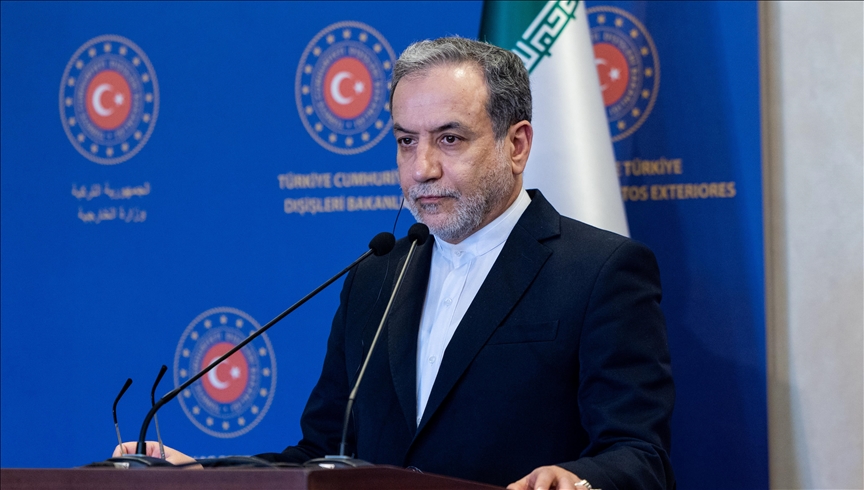
Official Confirmation of Enrichment Halt
During a summit attended by international journalists, including representatives from the Associated Press, Foreign Minister Araghchi provided clear confirmation about the current status of Iran's nuclear enrichment activities. "There is no undeclared nuclear enrichment in Iran. All of our facilities are under the safeguards and monitoring of the International Atomic Energy Agency," Araghchi stated. He directly attributed the cessation of enrichment activities to the military attacks, noting that "There is no enrichment right now because our facilities — our enrichment facilities — have been attacked."
Iran's Position on Nuclear Rights
The foreign minister reiterated Iran's longstanding position regarding its nuclear rights while addressing what would be required for continued negotiations with the United States and other world powers. Araghchi emphasized that "Iran's right for enrichment, for peaceful use of nuclear technology, including enrichment, is undeniable." He further asserted that "We have this right, and we continue to exercise that, and we hope that the international community, including the United States, recognize our rights and understand that this is an inalienable right of Iran. And we would never give up our rights."

Security Concerns and International Pressure
Mohammad Eslami, head of the Atomic Energy Organization of Iran, who also attended the summit, revealed that Tehran has faced threats regarding potential access to the bombed enrichment sites. "Our security situation hasn't yet changed. If you watch the news, you see that every day we are being threatened with another attack," Eslami told the gathering. He added that Iran receives daily warnings that "if you touch anything, you'll be attacked." Satellite imagery analyzed since the attacks shows that Iran has not undertaken major reconstruction work at key facilities including Fordo, Isfahan, and Natanz.
Diplomatic Context and Future Negotiations
The announcement comes amid ongoing international pressure on Iran's nuclear program. European nations pushed through measures to reimpose United Nations sanctions on Iran in September, and the IAEA's Board of Governors is scheduled to meet this week, potentially voting on a new resolution targeting Iran over its cooperation with the agency. Despite the current impasse, Araghchi left open the possibility of future negotiations with the United States, contingent on changes in Washington's approach. He criticized the current U.S. administration's stance, stating that "What we have seen from the Americans so far has actually been an effort to dictate their demands, which are maximalist and excessive. We see no chance for dialogue in the face of such demands."
Regional Implications and Strategic Position
Iran finds itself in a complex strategic position following the June conflict. The country's air defense systems suffered significant damage during Israeli attacks, potentially leaving it vulnerable to future airstrikes as tensions remain elevated over the nuclear program. Meanwhile, domestic economic pressures and societal changes continue to challenge Iran's theocratic government. The summit where Araghchi made his announcement, titled "International Law Under Assault: Aggression and Self-Defense," featured papers by Iranian political analysts presenting Tehran's perspective on the recent conflict, many highlighting comments from German Chancellor Friedrich Merz praising Israel for having done the "dirty work" in launching its attack.
The confirmation that Iran has halted uranium enrichment activities represents a significant development in the ongoing nuclear standoff. While the immediate cessation results from military action rather than diplomatic agreement, the public acknowledgment and framing of the situation suggests Tehran may be seeking pathways to renewed negotiations. The coming weeks will be crucial in determining whether this represents a temporary pause or a more substantial shift in Iran's nuclear policy as international pressure continues and the IAEA prepares for its upcoming meeting.