Read on nature.com
Breakthrough Marburg Virus Antibody Discovery Offers New Hope for Treatment
Researchers have discovered a potent human monoclonal antibody, MARV16, that demonstrates broad neutralization of Marburg virus and related filoviruses. This breakthrough, published in Nature, shows 40 to 100-fold increased potency compared to previously known antibodies and provides therapeutic protection in animal models. The discovery represents a significant advancement in developing effective treatments for Marburg virus disease, which currently has no licensed vaccines or therapeutics available for human use.
In a significant breakthrough for infectious disease research, scientists have identified a powerful human monoclonal antibody that shows exceptional promise against Marburg virus, a deadly pathogen responsible for severe hemorrhagic fever outbreaks. Published in Nature, this discovery comes at a critical time as Marburg virus outbreaks continue to pose serious global health threats.
The Marburg Virus Challenge
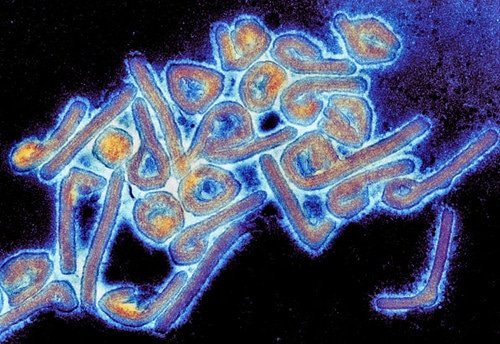
Marburg virus belongs to the filovirus family, the same group that includes Ebola virus, and causes a severe and often fatal hemorrhagic fever. Despite the increasing frequency of Marburg virus outbreaks in recent years, no vaccines or therapeutics are currently licensed for human use. This gap in medical countermeasures has made Marburg virus a priority pathogen for global health organizations.
The MARV16 Antibody Discovery
The research team, led by scientists from the University of Washington and Humabs Biomed SA, developed mutations that improved the expression, thermostability, and immunogenicity of the prefusion Marburg virus glycoprotein (GP) ectodomain trimer. This protein complex serves as the sole target for neutralizing antibodies and represents the foundation for vaccines currently in development.
Through this approach, researchers discovered MARV16, a fully human monoclonal antibody that demonstrates remarkable breadth and potency. The antibody broadly neutralizes all Marburg virus isolates as well as related viruses including Ravn virus and Dehong virus, showing 40 to 100-fold increased potency compared to previously described antibodies.
Mechanism of Action and Protection
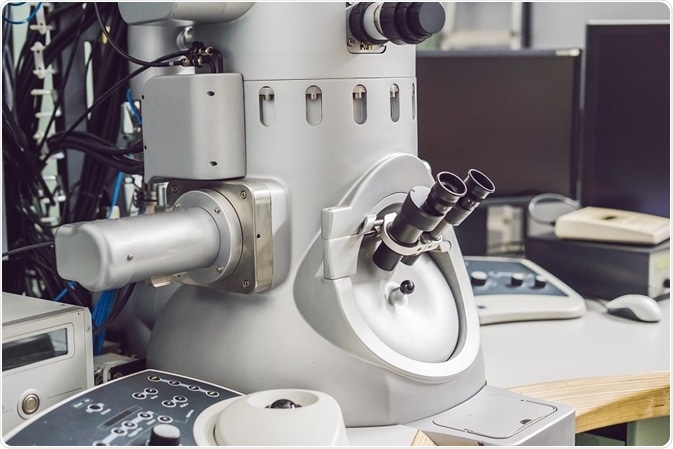
Using cryo-electron microscopy, the research team determined the structure of MARV16 bound to Marburg virus GP. The analysis revealed that MARV16 recognizes a prefusion-specific epitope spanning both GP1 and GP2 subunits. This binding mechanism effectively blocks receptor binding and prevents the conformational changes required for viral entry into host cells.
Importantly, MARV16 has demonstrated therapeutic protection in guinea pigs challenged with Marburg virus, providing crucial preclinical evidence of its potential effectiveness. The research also revealed the architecture of the Marburg virus GP glycan cap, which shields the receptor binding site, highlighting structural similarities with distantly related filovirus GPs.
Future Implications and Combination Approaches
The study findings suggest that MARV16 can be used in combination with previously identified receptor binding site-directed antibodies. These antibody cocktails would require multiple mutations for the virus to escape neutralization by both antibodies simultaneously, creating a more resilient therapeutic approach resistant to viral evolution.

The stabilization of Marburg virus GP, combined with the discovery of MARV16, represents a significant advancement in both prevention and treatment options for Marburg virus disease. This research paves the way for developing effective therapeutics that could save lives during future outbreaks and provides valuable insights into filovirus biology that may inform approaches against related pathogens.
As Marburg virus continues to emerge in new regions and cause devastating outbreaks, this breakthrough offers hope for developing the medical countermeasures needed to protect global populations from this deadly threat.