Read on nature.com
H5N1 Bird Flu: Assessing the Pandemic Risk and Global Response
The H5N1 avian influenza virus is spreading globally among poultry, wild birds, and mammals, raising significant concerns about its pandemic potential. This article examines the current scientific understanding of the virus's transmission, the key mutations that could increase its risk to humans, and the global efforts underway to monitor and mitigate this threat. We explore the challenges in vaccine development and the critical public health measures needed to prevent a potential new influenza pandemic.
The specter of a new influenza pandemic looms as the H5N1 avian influenza virus establishes a persistent global presence. Unlike seasonal flu, H5N1 represents a zoonotic threat with a high case fatality rate in the limited number of human infections recorded. Its unprecedented spread across continents in wild bird populations and its increasing spillover into mammals have placed it at the top of the global health agenda. This article delves into the science behind the virus's evolution, assesses the real risk of human-to-human transmission, and outlines the multifaceted strategies being deployed to stop the next flu pandemic before it starts.
The Global Spread of H5N1
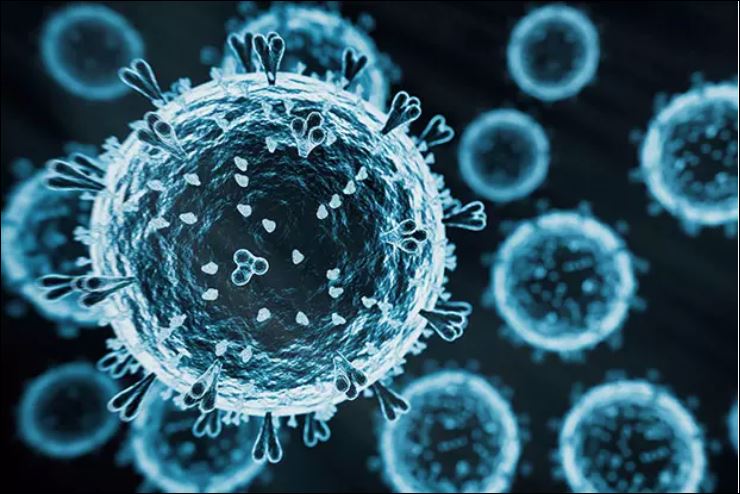
The H5N1 virus is no longer confined to sporadic outbreaks in poultry farms. It has achieved endemic status in wild bird populations across the globe, creating a continuous and mobile reservoir for the virus. This widespread circulation in nature facilitates constant opportunities for the virus to jump into new species, including mammals. The scale of this spread is unprecedented for a highly pathogenic avian influenza strain, complicating containment efforts and increasing the frequency of exposure events at the human-animal interface, particularly in agricultural settings.
Key Mutations and the Risk to Humans
The primary barrier preventing H5N1 from causing a human pandemic is its current inefficiency at sustained human-to-human transmission. The virus is adept at infecting human cells in the lower respiratory tract, often leading to severe pneumonia, but it is not well-adapted to transmit easily via coughs or sneezes between people. The critical scientific focus is on identifying specific genetic mutations that could alter this dynamic. Researchers are monitoring for changes that might allow the virus to bind more effectively to human upper respiratory tract cells or enhance its stability in airborne droplets. Each new mammalian infection, whether in minks, seals, or cattle, represents a potential crucible for such adaptive mutations to occur, bringing the virus one step closer to pandemic capability.

The Scientific and Public Health Response
Confronting this threat requires a proactive, science-led strategy on multiple fronts. Enhanced global surveillance is paramount. This involves not only tracking outbreaks in poultry and wild birds but also systematically monitoring mammals and humans with potential exposure. Genetic sequencing of virus samples from these outbreaks allows scientists to track evolutionary changes in real-time, providing an early warning system for dangerous mutations. Simultaneously, the quest for effective vaccines is accelerating. Researchers are moving beyond traditional egg-based production methods to develop more agile platforms, including mRNA-based vaccines, that could be rapidly tailored to match emerging H5N1 strains. The goal is to have safe, effective vaccine candidates ready for large-scale production should the need arise.
Preparing for the Future
While the immediate risk of a major H5N1 pandemic remains uncertain, preparedness is non-negotiable. Public health agencies worldwide are strengthening diagnostic capacities, stockpiling antiviral medications, and updating pandemic response plans. A key lesson from past outbreaks is the importance of equitable global access to countermeasures. A pandemic virus knows no borders, and hoarding vaccines or treatments in wealthy nations would ultimately be self-defeating. International cooperation, transparent data sharing, and investment in robust health systems, especially in regions with high levels of animal husbandry, are the cornerstones of an effective defense against H5N1 and future zoonotic threats.

The spread of H5N1 avian influenza is a stark reminder of our interconnected world and the persistent threat of zoonotic diseases. While the virus has not yet acquired the ability for efficient human transmission, its global circulation provides constant opportunities for evolution. The scientific and public health community is mobilized, focusing on surveillance, research, and vaccine development to stay ahead of the threat. For the public, staying informed through reputable sources, supporting pandemic preparedness initiatives, and practicing good hygiene remain vital. The challenge of stopping the next flu pandemic is immense, but through vigilance, innovation, and global solidarity, it is a challenge we can meet.