SGK1 Discovery: The Brain Chemical Linking Childhood Trauma to Depression and Suicide
Groundbreaking research from Columbia and McGill universities has identified SGK1 as a critical brain chemical that connects childhood trauma to depression and suicidal behavior. The study reveals that individuals with high SGK1 levels—particularly those who experienced early-life adversity—show significantly increased risk for depression and suicide. This discovery paves the way for new antidepressant treatments targeting SGK1, offering hope for patients who don't respond to traditional SSRIs. The findings could revolutionize how we approach depression treatment for trauma survivors.
In a landmark discovery that could transform our understanding of depression, neuroscientists from Columbia University and McGill University have identified a specific brain chemical that serves as the biological bridge between childhood trauma and adult depression and suicidal behavior. The research reveals that SGK1, a stress-responsive protein, plays a crucial role in driving depression among individuals who experienced adversity during their early years.

The SGK1-Depression Connection
The research team discovered that elevated levels of SGK1 are consistently present in individuals with depression who have a history of childhood trauma. According to the study published in Molecular Psychiatry, the highest concentrations of SGK1—up to twice the normal levels—were found in the brains of suicide victims who had endured significant childhood adversity. This finding provides compelling evidence that SGK1 serves as a biological marker for depression risk in trauma survivors.
As lead researcher Christoph Anacker, assistant professor of clinical neurobiology at Columbia University, explains, "Current antidepressants are often less effective for people with a history of childhood adversity, who represent a large proportion of adults with depression. What's exciting about our study is that it raises the prospect of quickly developing new treatments."
Why Childhood Trauma Changes Depression Biology
Childhood adversity, including physical abuse or growing up in dysfunctional family environments, represents one of the strongest predictors of depression in adulthood. The research suggests that the biological processes leading to depression differ significantly between individuals with traumatic childhoods and those without such experiences.

The study builds on previous research from Anacker's team, which first identified unusually high SGK1 levels in the blood of unmedicated depression patients approximately ten years ago. The current findings provide even stronger evidence of SGK1's role, particularly in cases where early life stress is a contributing factor.
Genetic Factors and Early Detection
The research also examined genetic components, discovering that children exposed to early adversity who carry genetic variants that increase SGK1 production are more likely to develop depression as teenagers. This finding opens the possibility of using genetic screening to identify individuals at highest risk for depression following childhood trauma.
This genetic connection provides a potential screening tool that could help identify people who would benefit most from SGK1-targeted treatments before they develop severe depression or suicidal behavior.
New Treatment Possibilities
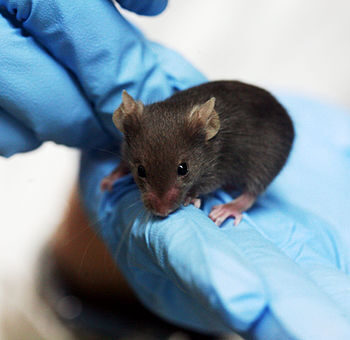
The most promising aspect of this discovery lies in its therapeutic implications. SGK1 inhibitors, which are already being evaluated for other medical conditions including atrial fibrillation, could be repurposed as a new class of antidepressants. In animal studies, SGK1 inhibitors delivered into the bloodstream successfully prevented mice from developing depressive-like behaviors during chronic stress.

Anacker emphasizes the urgency of this research direction: "There's an urgent need to identify and treat people with the greatest risk of depression and suicide after exposure to early life adversity, and SGK1 is a promising avenue to explore." The research team now hopes to begin clinical trials focusing specifically on individuals with depression and backgrounds of childhood trauma.
Conclusion: A New Direction in Mental Health Treatment
This groundbreaking research represents a significant step forward in understanding the biological mechanisms that connect childhood trauma to adult mental health challenges. By identifying SGK1 as a key player in this process, scientists have opened the door to more targeted, effective treatments for a population that has traditionally been difficult to treat with conventional antidepressants.
The potential development of SGK1 inhibitors could offer new hope for the approximately 60% of adults with major depression who experienced childhood trauma—individuals for whom current treatments often fall short. As research progresses, this discovery may lead to personalized treatment approaches that address the specific biological consequences of early life adversity.