 Read on cbsnews.com
Senate Blocks War Powers Resolution on Venezuela Military Strikes
The Senate has rejected a bipartisan war powers resolution that sought to prevent President Trump from conducting military strikes against Venezuela. The measure, led by Senator Tim Kaine, failed with a 49-51 vote, with only two Republican senators supporting it. The resolution would have required explicit congressional authorization for any use of U.S. armed forces in or against Venezuela, highlighting ongoing tensions between executive and legislative branches over war powers authority.
The United States Senate has rejected a significant war powers resolution aimed at restricting presidential authority to conduct military operations against Venezuela. The bipartisan measure, which sought to reassert congressional oversight over military engagements, failed to advance in a closely divided vote that underscores the ongoing constitutional debate between executive and legislative branches regarding war powers.
The Failed Resolution
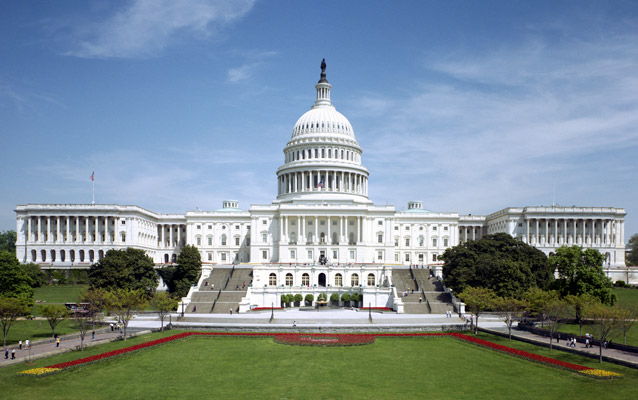
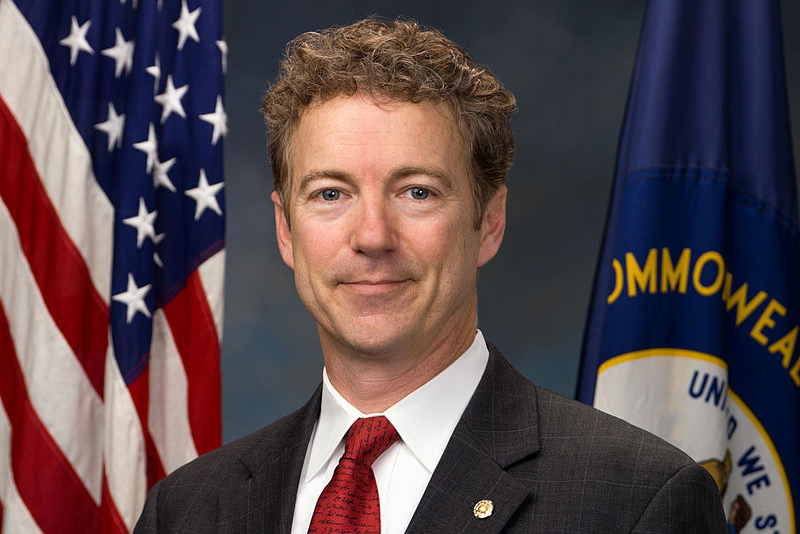
The war powers resolution, introduced by Democratic Senator Tim Kaine of Virginia, would have directed the president to terminate the use of U.S. armed forces for hostilities within or against Venezuela unless explicitly authorized by a declaration of war or specific congressional authorization. The measure garnered support from 49 senators but fell short of the 60 votes needed to overcome procedural hurdles. Only two Republican senators—Rand Paul of Kentucky and Lisa Murkowski of Alaska—joined Democrats in supporting the resolution.
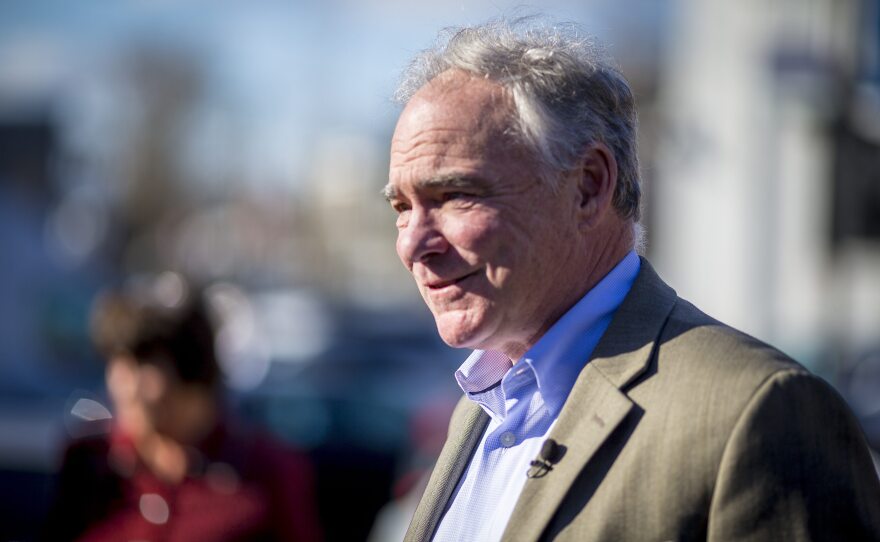
Senator Kaine emphasized the constitutional principles at stake, telling reporters at the Capitol that "Congress should not cede its power to any president." He argued that if colleagues believe military action against Venezuela is warranted, they should debate and vote on a specific authorization rather than allowing the executive branch unilateral authority. The resolution had 15 cosponsors, including prominent Democrats and Senator Paul.
Background and Context
The resolution comes amid increased U.S. military activity in the Caribbean region targeting alleged drug trafficking operations. According to CBS News reporting, the U.S. military has conducted at least 17 strikes on suspected drug-trafficking boats since September 2, resulting in approximately 70 casualties. Defense Secretary Pete Hegseth announced additional strikes shortly after the Senate vote, indicating the ongoing nature of these operations.
President Trump confirmed in October that he had authorized CIA covert operations inside Venezuela, stating that "a lot of the Venezuelan drugs come in through the sea, but we're going to stop them by land also." The administration has briefed lawmakers on the strikes and provided them access to the Justice Department's Office of Legal Counsel opinion that officials argue justifies the military actions.
Constitutional Debate
The vote highlights the enduring tension between presidential authority and congressional war powers under the Constitution. The War Powers Resolution of 1973 requires the president to consult Congress before introducing armed forces into hostilities and mandates that military engagements cease within 60 days without congressional authorization. However, the Trump administration has interpreted these requirements narrowly, arguing that the drone strikes against alleged drug traffickers do not constitute "hostilities" under the law.
Senator Adam Schiff of California, a cosponsor of the resolution, criticized the administration's legal interpretation, warning that the Office of Legal Counsel opinion "is broad enough to authorize just about anything." He expressed concern that the opinion, if adopted as precedent, would effectively remove constraints on presidential use of military force worldwide.
Political Implications
The failed vote reflects broader political divisions over foreign policy and executive authority. While most Republicans supported the administration's position, some expressed private concerns about mission creep and potential escalation. Senator Schiff noted that some Republican colleagues "may have been more comfortable with the idea when they thought it was a very short campaign, but now that it is an ongoing thing with no definite endpoint, I think the concern has increased."
Democrats who attended administration briefings said they found the legal justifications insufficient, though they expressed confidence in U.S. intelligence capabilities. Senator Mark Warner of Virginia, the top Democrat on the Senate Intelligence Committee, noted that "nothing in the legal opinion even mentions Venezuela," raising questions about the scope of the administration's authority.
Conclusion
The Senate's rejection of the war powers resolution represents a significant moment in the ongoing debate over constitutional war powers and executive authority. While the measure failed, the substantial bipartisan support it received—particularly from two Republican senators—indicates continuing concerns about presidential overreach in military matters. Senator Kaine and his allies have indicated they will continue pushing for congressional oversight of military engagements, ensuring that this constitutional debate will remain a central feature of U.S. foreign policy discussions.
The outcome leaves the administration with continued latitude to conduct military operations in the region while raising important questions about the balance of power between branches of government and the proper role of Congress in authorizing military force.