Nanobodies from Camels and Llamas: A Breakthrough in Brain Disorder Treatment
Miniature antibodies from camels and llamas, known as nanobodies, are emerging as a revolutionary approach to treating brain disorders like Alzheimer's and schizophrenia. These tiny proteins can cross the blood-brain barrier more effectively than conventional drugs, potentially offering improved treatment outcomes with fewer side effects. Recent research published in Trends in Pharmacological Sciences demonstrates how nanobodies' unique structure allows them to reach brain cells efficiently in animal models, representing a new class of therapeutic agents between traditional antibodies and small molecules.
Miniature antibodies derived from camels and llamas are poised to transform the treatment landscape for neurological disorders. These remarkable proteins, known as nanobodies, possess unique properties that enable them to cross the protective blood-brain barrier more effectively than conventional medications, offering new hope for conditions like Alzheimer's disease and schizophrenia that have long challenged medical science.

What Are Nanobodies?
Nanobodies represent a fascinating biological discovery first identified in the early 1990s by Belgian scientists studying camelid immune systems. Unlike standard antibodies found in humans and most mammals, which consist of two heavy and two light chains, camelids produce a simplified version composed only of heavy chains. The active fragment of these unique antibodies—now called nanobodies—measures approximately one-tenth the size of conventional antibodies, making them exceptionally compact and efficient.
These miniature proteins exist naturally in camelid species including camels, llamas, and alpacas, as well as some cartilaginous fish. Their discovery opened new possibilities for therapeutic development, particularly for conditions where traditional antibody treatments have shown limited success. The nanobodies' compact structure gives them distinct advantages over both conventional antibodies and small-molecule drugs.
Advantages for Brain Disorder Treatment
The primary benefit of nanobodies in treating neurological conditions lies in their ability to cross the blood-brain barrier effectively. This protective barrier typically restricts the passage of most therapeutic agents into the brain, presenting a significant challenge for treating disorders like Alzheimer's and schizophrenia. According to researchers from the Centre National de la Recherche Scientifique (CNRS) in Montpellier, France, nanobodies' small size allows them to "enter the brain passively," bypassing many of the limitations that hinder conventional treatments.
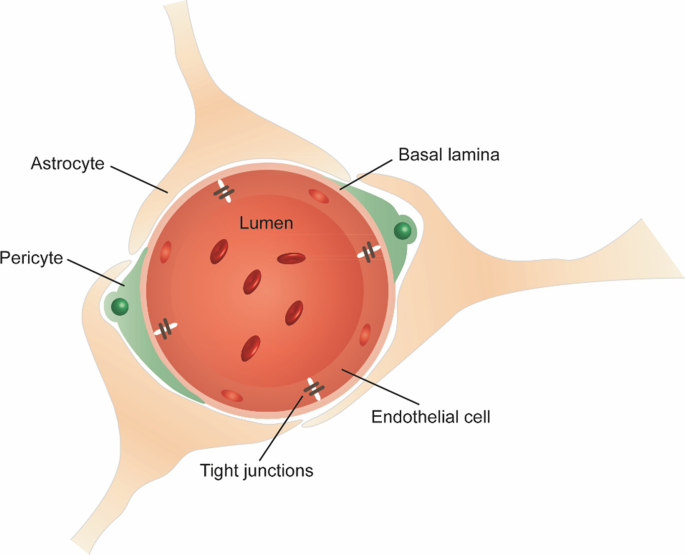
Traditional small-molecule drugs designed to cross the blood-brain barrier often face bioavailability limitations and increased risk of off-target binding, which can lead to unwanted side effects. In contrast, nanobodies are highly soluble proteins that can target specific brain molecules with precision while minimizing adverse reactions. Previous studies have demonstrated that nanobodies can restore normal behavior in mouse models of schizophrenia and other neurological disorders, suggesting their potential therapeutic value.
Current Research and Future Directions
Recent research published in the journal Trends in Pharmacological Sciences outlines the promising results observed in animal studies while emphasizing the necessary steps before human clinical trials can begin. As co-corresponding author Philippe Rondard explains, "Camelid nanobodies open a new era of biologic therapies for brain disorders and revolutionize our thinking about therapeutics. We believe they can form a new class of drugs between conventional antibodies and small molecules."
Before nanobody-based treatments can advance to human testing, researchers must complete comprehensive toxicology studies and long-term safety assessments. Understanding the effects of chronic administration and determining how long nanobodies remain active in the brain are crucial steps for developing appropriate dosing strategies. Additionally, scientists need to evaluate nanobody stability, confirm proper folding, and ensure the absence of aggregation that could compromise treatment effectiveness.

The research team at CNRS has already begun studying these parameters for brain-penetrant nanobodies, with recent findings indicating that treatment conditions are compatible with chronic administration. This progress represents a significant step toward clinical applications, though substantial work remains before these innovative treatments become available to patients.
As research continues to advance, nanobodies from camels and llamas offer a promising new approach to addressing some of medicine's most challenging neurological disorders. Their unique combination of small size, precision targeting, and efficient brain penetration positions them as potential game-changers in the field of brain medicine, potentially reshaping how we treat conditions that have long eluded effective therapeutic solutions.