Read on PBS News
U.S. to Share Nuclear Submarine Technology with South Korea in Strategic Alliance Move
In a significant geopolitical development, President Donald Trump announced the United States will share closely held nuclear-powered submarine technology with South Korea. The announcement came following meetings between Trump and South Korean President Lee Jae Myung, marking a strategic shift in military cooperation between the two allies. This technology transfer represents a departure from traditional U.S. policy regarding its most sensitive military technology, even as North Korea continues to advance its own submarine capabilities.
In a landmark development for international security cooperation, President Donald Trump announced via social media that the United States will share its closely guarded nuclear-powered submarine technology with South Korea. This strategic decision follows high-level meetings between Trump and South Korean President Lee Jae Myung, signaling a significant evolution in the military alliance between the two nations.
Strategic Alliance Modernization
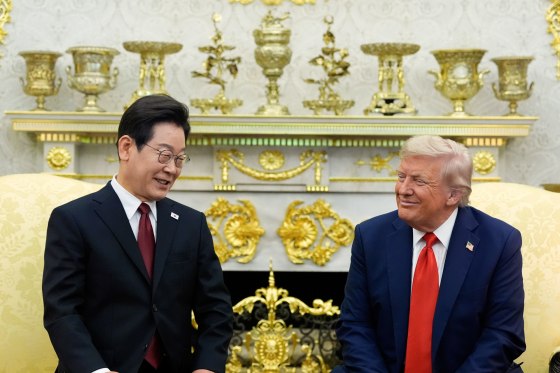
The technology sharing agreement represents a major step in modernizing the U.S.-South Korea alliance. President Lee emphasized during their Wednesday meeting that the partnership aims to strengthen regional security while reducing the financial burden on the United States. South Korea has committed to increasing its military spending and investing significantly in America's shipbuilding capacity as part of this enhanced cooperation.
Clarifying Nuclear Intentions
President Lee addressed potential misunderstandings from previous discussions, clarifying that South Korea seeks nuclear fuel technology for submarine propulsion rather than nuclear weapons. This distinction is crucial in the context of non-proliferation efforts and regional stability. The South Korean leader emphasized that nuclear-powered submarines would enhance South Korea's ability to support U.S. military activities throughout the region.
Domestic Manufacturing Plans
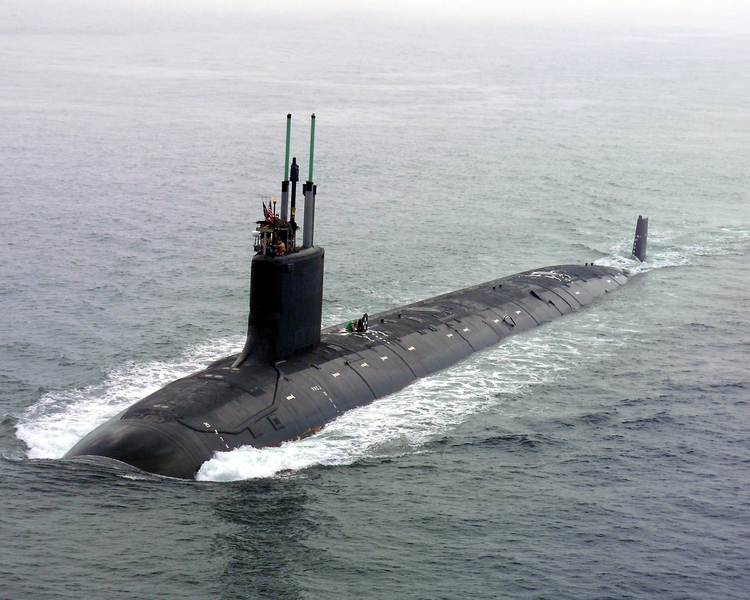
The announcement included specific details about manufacturing locations, with Trump confirming that South Korea will build its nuclear-powered submarine at the Philly Shipyard. This facility was acquired last year by South Korea's Hanwha Group, representing a substantial investment in American industrial capacity. While exact specifications and costs remain undisclosed, the project aligns with South Korea's commitment to invest $150 billion in U.S. shipbuilding infrastructure.
Regional Security Context
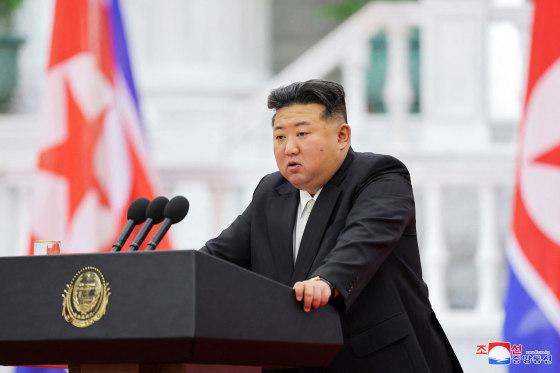
This technology transfer occurs against a backdrop of increasing regional tensions. North Korea recently unveiled its own nuclear-powered submarine under construction and conducted successful cruise missile tests during Trump's visit to South Korea. The timing of the announcement, just before Trump's scheduled meeting with Chinese President Xi Jinping, adds diplomatic significance to the development.

Technology Transfer Precedent
The decision to share nuclear submarine technology marks a departure from traditional U.S. policy. American nuclear submarine technology is considered among the most sensitive and protected military assets, with even close allies like the United Kingdom and Australia receiving limited access through carefully structured agreements rather than direct technology transfers.
The Pentagon has not immediately commented on the specifics of this technology sharing arrangement, leaving questions about implementation details and security protocols. However, the announcement represents a significant shift in how the United States approaches military technology partnerships with key allies in strategically important regions.