Canada's Role in Enforcing UN Sanctions Against North Korea
The Royal Canadian Air Force is playing a crucial role in Operation Neon, a multinational mission enforcing UN sanctions against North Korea's nuclear weapons program. Based in Okinawa, Japan, Canadian crews conduct regular aerial patrols over the East China and Yellow seas, using advanced surveillance technology to monitor suspicious ship activity. This mission comes at a critical time as North Korea continues to advance its nuclear capabilities while receiving increased support from Russia and China, complicating international enforcement efforts.
The Royal Canadian Air Force has become a key player in one of the world's most challenging security missions: enforcing United Nations sanctions against North Korea's nuclear weapons program. Operating from Okinawa, Japan, Canadian military personnel conduct regular aerial patrols over the strategic waters surrounding the Korean peninsula, monitoring for illegal maritime activities that sustain Pyongyang's regime and advance its nuclear ambitions.
Operation Neon: Canada's Contribution
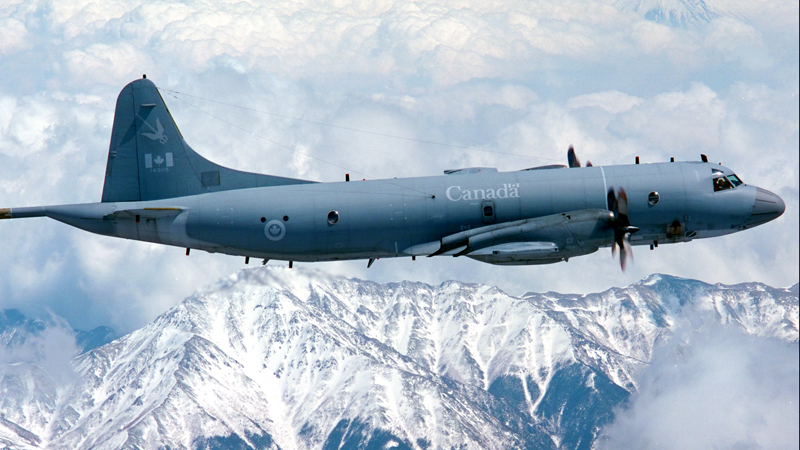
Operation Neon represents Canada's commitment to the multinational effort targeting North Korea's sanctions evasion. The mission involves regular patrol flights aboard CP-140 Aurora aircraft, which have been retrofitted with state-of-the-art surveillance equipment despite their 1980s-era origins. As Global News reported after joining one of these patrols, the aircraft's aging interior contrasts with its modern radar and camera systems used to scan vast maritime areas for suspicious activity.
Daily Operations and Challenges
Canadian crews face significant challenges in their surveillance work. The East China and Yellow seas comprise hundreds of thousands of square kilometers and contain some of the world's busiest shipping routes. During a single flight, crews may encounter hundreds of vessels, with suspect ships employing various tactics to avoid detection. These include turning off Automatic Identification System transponders and falsifying registration documents, making the Canadian crew's work particularly demanding.
International Cooperation and Intelligence Sharing
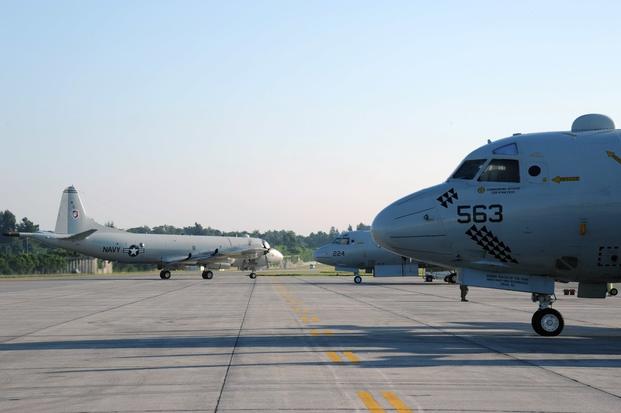
The Canadian mission operates as part of a broader coalition that includes Australia, France, Germany, Italy, Japan, Netherlands, New Zealand, South Korea, United Kingdom, and the United States. This multinational approach allows for intelligence sharing and coordinated enforcement efforts. Canadian crews receive specific intelligence about suspect vessels and their approximate locations, enabling targeted surveillance operations.
Surveillance Techniques and Data Collection
When potential sanctions violations are identified, the Aurora aircraft descends to as low as 300 feet above sea level to capture detailed photographs and video recordings. The intelligence gathered during these missions is then forwarded through command channels for analysis by allied intelligence agencies. This information helps determine whether sanctions have been violated and supports potential prosecution of responsible companies or individuals.
Geopolitical Challenges and Russian Involvement
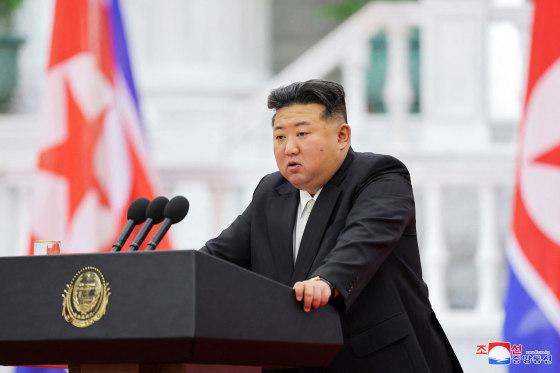
The enforcement mission has become increasingly complex due to Russia's growing involvement with North Korea. As a permanent member of the UN Security Council, Russia exercised its veto power in 2024 to disband the UN panel of experts that had been investigating sanctions violations. This panel had previously relied on the type of intelligence being collected by Canadian and allied forces. Russia's support for North Korea extends beyond diplomatic protection, with satellite imagery revealing substantial oil shipments and technology transfers that enhance Pyongyang's military capabilities.
Chinese Interference and Regional Tensions
During patrol missions, Canadian aircraft regularly face intercepts by Chinese fighter jets, as witnessed by Global News reporters. These encounters, while conducted at safe distances according to Canadian officials, highlight the tense regional dynamics. China has consistently worked to block or dilute new sanctions against North Korea at the UN Security Council while allegedly turning a blind eye to North Korean shipping networks operating from Chinese ports.
The Royal Canadian Air Force's participation in Operation Neon demonstrates Canada's commitment to international security and non-proliferation efforts. Despite facing significant geopolitical challenges and operating with aging equipment, Canadian personnel continue to provide crucial intelligence that supports the enforcement of UN sanctions against North Korea's nuclear program. As regional tensions persist and North Korea advances its military capabilities, this multinational surveillance mission remains essential for monitoring and containing Pyongyang's activities.