Presidential Authority to Deploy Military Forces in U.S. Cities
President Trump's recent statements about his authority to deploy U.S. military branches beyond the National Guard into American cities have raised important constitutional questions. While claiming he could send the Army, Navy, Air Force, and Marines into domestic jurisdictions, the president emphasized this hasn't been necessary. This article examines the legal framework governing such deployments, including the Insurrection Act and Posse Comitatus Act restrictions, and analyzes the historical context of military involvement in domestic law enforcement.
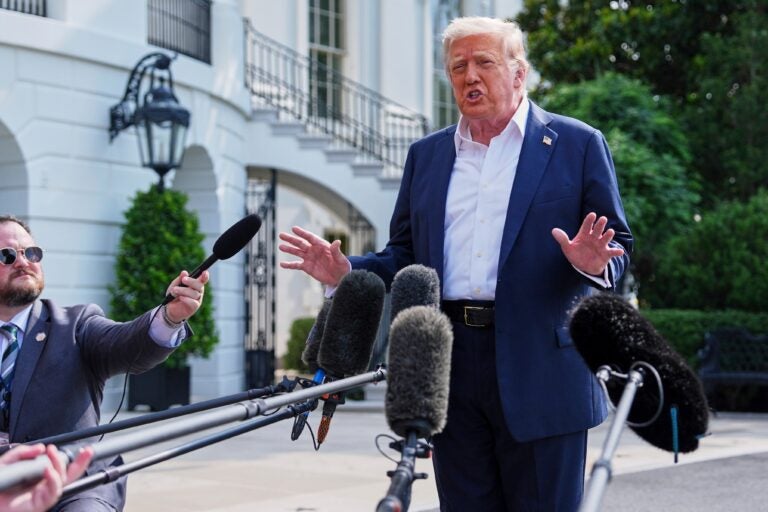
Recent statements by President Trump regarding his authority to deploy U.S. military forces into American cities have sparked significant discussion about the constitutional boundaries of presidential power. During remarks to reporters aboard Air Force One, the president asserted he could send the "Army, Navy, Air Force, Marines" and "anybody I wanted" into U.S. cities if he deemed it necessary, though he emphasized that such measures haven't been required thus far.
Legal Framework for Military Deployment
The president's comments appear to reference the Insurrection Act, a federal law that permits the use of military forces in domestic law enforcement capacities under specific circumstances. According to legal experts, this authority allows the president to deploy federal military forces to suppress rebellion or quell domestic violence when state authorities are unable to maintain public order.
Geoffrey Corn, director of the Center for Military Law and Policy at Texas Tech University School of Law, confirmed in an email to CBS News that "He is talking about the Insurrection Act, which allows use of federal military forces in a law enforcement capacity. This is very rarely used." The legal foundation for such deployments exists within a complex framework that balances federal authority with constitutional protections.
Historical Context and Precedents
The invocation of the Insurrection Act represents an extraordinary measure in American governance. The last time a president utilized this authority was in 1992, when President George H.W. Bush responded to California Governor Gray Davis's request for assistance during the Los Angeles riots following the Rodney King verdict. This historical precedent underscores the rarity of such military deployments in domestic settings.

More recently, the administration has utilized National Guard deployments under Title 32 status in Washington, D.C., which exempts these forces from Posse Comitatus Act restrictions. These deployments occurred during responses to protests following George Floyd's murder and during the January 6, 2021, Capitol assault, demonstrating the administration's preference for National Guard utilization over active-duty military branches.
Constitutional Considerations
The Posse Comitatus Act generally restricts the U.S. military from engaging in domestic law enforcement activities, creating a crucial separation between military and civilian authority. However, exceptions exist within this framework, particularly through the Insurrection Act provisions that the president referenced.
Legal scholars note that while the president possesses authority under certain circumstances, the invocation typically requires either a state governor's request or a determination that domestic violence prevents enforcement of federal law. The president's assertion that "the courts wouldn't get involved, nobody would get involved" in such decisions remains subject to legal interpretation and potential constitutional challenges.
Current Deployment Practices
The administration has emphasized the effectiveness of National Guard deployments in cities like Washington, D.C., and Memphis, Tennessee, where their presence has been credited with reducing crime rates. These deployments have primarily targeted Democratic-led cities, leading to legal challenges from several jurisdictions including Chicago, Illinois, California, and Oregon.
President Trump's comments suggest a distinction between current National Guard deployments and the potential use of active-duty military branches. While maintaining that such extreme measures haven't been necessary, the statements highlight the administration's view of its authority boundaries regarding domestic military deployment.
Conclusion
The discussion surrounding presidential authority to deploy military forces in U.S. cities touches upon fundamental questions about the balance between security needs and constitutional protections. While the legal framework provides mechanisms for extraordinary circumstances, the historical rarity of such deployments underscores their exceptional nature. As the administration continues to utilize National Guard forces under existing authorities, the broader questions about active-duty military deployment remain largely theoretical, though the president's statements have clarified his interpretation of available powers.