Read on PBS News
Supreme Court Case Threatens 90 Years of Independent Agency Precedent
The U.S. Supreme Court heard arguments in a landmark case that could dramatically reshape the balance of power between the presidency and Congress. At issue is whether President Trump legally fired Federal Trade Commissioner Rebecca Slaughter, challenging a 90-year-old legal precedent that protects members of independent agencies from presidential removal. The case centers on the 'unitary executive theory' and could affect two dozen independent agencies, including the Consumer Safety Protection Commission and the National Labor Relations Board. The Court's decision may determine whether presidents gain unprecedented control over regulatory bodies long designed to operate with bipartisan independence.
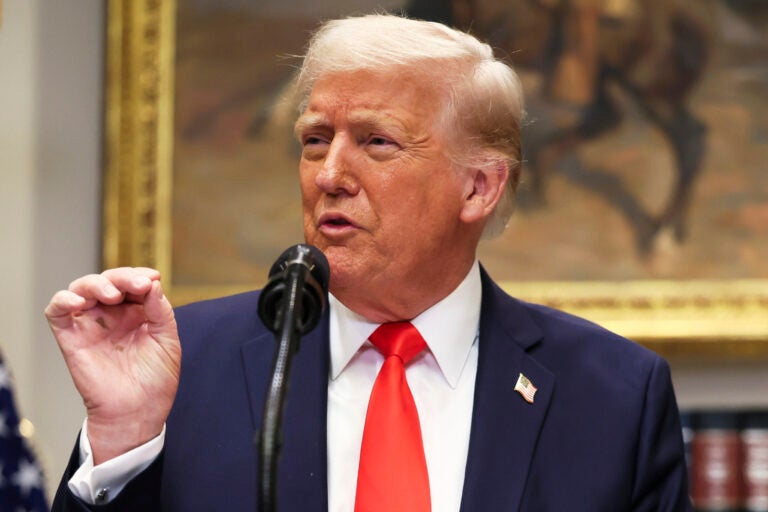
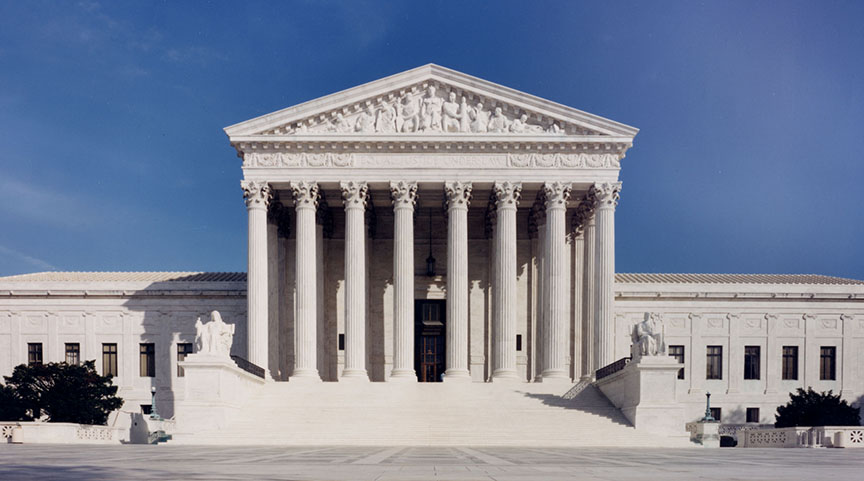
The United States Supreme Court entered a pivotal constitutional debate on Monday, hearing arguments in a case that threatens to overturn nearly a century of legal precedent governing presidential power. The dispute, Trump v. Slaughter, centers on President Donald Trump's 2025 firing of Federal Trade Commission (FTC) member Rebecca Slaughter and challenges the statutory protections that have insulated independent agency heads from political removal since the New Deal era. A ruling in favor of the Trump administration could dismantle the foundational structure of the modern administrative state, granting the White House sweeping new authority over dozens of regulatory bodies.
The Legal Precedent at Stake: The Humphrey's Executor Decision
The core legal precedent under threat dates to 1935 and the case of Humphrey's Executor v. United States. As detailed in the PBS NewsHour analysis, President Franklin D. Roosevelt sought to fire a commissioner of the FTC to install his own appointee. The commissioner resisted, and the Supreme Court ultimately upheld the removal statute at issue, ruling that Congress could constitutionally limit the president's power to remove officials of independent regulatory agencies. The Court reasoned that agencies like the FTC were designed by Congress to operate independently and do not exercise "substantial executive power" in a way that infringes on presidential authority. This 90-year-old ruling has served as the bedrock for the independence of agencies like the FTC, the Securities and Exchange Commission (SEC), and the Federal Communications Commission (FCC).
The Trump Administration's Argument: The Unitary Executive Theory
The Trump administration, represented by U.S. Solicitor General D. John Sauer, is advancing a constitutional theory known as the "unitary executive." This doctrine posits that Article II of the Constitution vests all executive power solely in the president, who must therefore have complete control—including unrestricted removal power—over all officials within the executive branch to faithfully execute the laws. In arguments before the Court, Sauer contended that the existing removal restrictions create a "headless fourth branch" of government that is "insulated from political accountability and democratic control." The administration has labeled the Humphrey's Executor precedent a "decaying husk," arguing it improperly constrains a president's ability to implement their policy agenda by leaving key positions filled with holdovers from previous administrations.

The Broader Implications for Government Structure
The potential ramifications of overturning Humphrey's Executor are vast. As noted in the PBS report, there are roughly two dozen independent federal agencies with similar for-cause removal statutes. These include the Consumer Product Safety Commission (CPSC), the National Labor Relations Board (NLRB), and the Merit Systems Protection Board. A ruling for the president could subject the leadership of all these agencies to at-will removal, fundamentally altering their operational independence. During oral arguments, the Court's liberal justices, particularly Justice Sonia Sotomayor, warned that such a move would "destroy the structure of government" and usurp Congress's constitutional power to structure the executive branch as it sees fit.
Conservative Justices' Concerns and the Slippery Slope
The Court's conservative majority expressed different, but equally significant, concerns. Justices like Brett Kavanaugh questioned whether, under the existing precedent, Congress could perform an "end run" around presidential authority. They theorized that Congress could theoretically transform traditional executive departments—like the Department of the Interior or Agriculture—into independent, multi-member commissions with lengthy, protected terms. This, they argued, could allow a commission entirely appointed by one president to obstruct the policy initiatives of a successor, effectively thwarting the democratic will. This line of questioning suggests the conservative justices are weighing the risks of an overly powerful administrative state against the risks of an overly powerful presidency.

Conclusion: A Crossroads for Constitutional Governance
The Trump v. Slaughter case represents a historic crossroads for the separation of powers. A decision is expected by late June 2026. If the Court sides with the Trump administration, it would mark one of the most significant shifts in presidential authority in decades, centralizing power in the Oval Office and diminishing the role of Congress in creating semi-independent regulatory bodies. Such a ruling would immediately impact ongoing disputes, including President Trump's separate effort to remove Federal Reserve Governor Lisa Cook. Conversely, upholding the precedent would reaffirm a 90-year-old understanding of the administrative state, preserving Congress's ability to shield certain critical functions from direct political control. The outcome will redefine the boundaries of executive power for generations to come.