Collins Aerospace Cyberattack Disrupts European Airport Operations
A recent cyberattack targeting Collins Aerospace's software systems has caused significant disruptions to European airport operations. The attack affected critical passenger processing systems including check-in, boarding pass printing, baggage tagging, and luggage dispatch services. This incident highlights the growing vulnerability of aviation infrastructure to cyber threats and the cascading effects such attacks can have on global travel networks.
A sophisticated cyberattack has compromised the software systems of Collins Aerospace, causing widespread disruptions to passenger processing operations at multiple European airports. The attack specifically targeted the company's airport management software, which handles critical functions including passenger check-in, boarding pass generation, baggage tagging, and luggage dispatch systems.
The cyber incident has exposed the vulnerabilities within aviation infrastructure and the potential cascading effects of targeted attacks on specialized software providers. Collins Aerospace, a major supplier of aviation technology solutions, provides software that integrates with multiple airport systems across Europe, making the attack particularly disruptive to travel operations.
Impact on Airport Operations
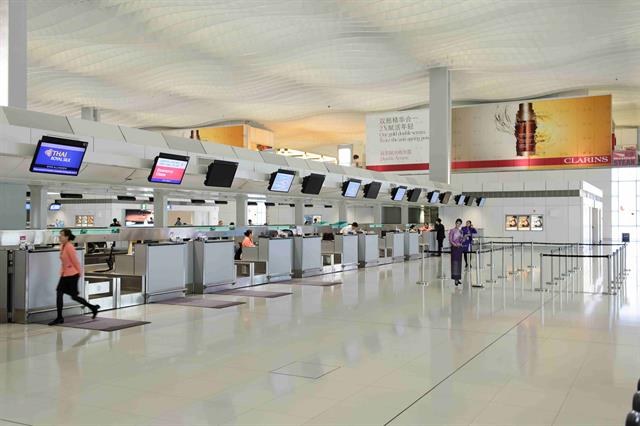
The cyberattack has significantly affected day-to-day airport functions, particularly in the passenger processing chain. Systems responsible for check-in procedures, both at counters and self-service kiosks, experienced outages that forced airports to implement manual processing methods. This led to longer wait times and operational delays throughout affected terminals.
Baggage handling systems were similarly compromised, with disruptions to automated baggage tagging and sorting operations. The attack prevented the normal flow of luggage from check-in areas to aircraft loading zones, requiring manual intervention and causing potential baggage mishandling issues.
Response and Recovery Efforts
Collins Aerospace has activated its incident response team and is working with cybersecurity experts to contain the attack and restore affected systems. The company is coordinating with airport authorities and airlines to minimize disruption to travel schedules while implementing enhanced security measures to prevent further compromise.
Airport operators have implemented contingency plans, including increased staff deployment for manual processing and enhanced communication with passengers regarding potential delays. The recovery process involves system diagnostics, security patches, and comprehensive testing before full restoration of automated services.
Industry Implications
This cyberattack underscores the critical importance of cybersecurity in aviation infrastructure. As airports increasingly rely on integrated software solutions from third-party providers, the potential impact of targeted attacks on these systems becomes more significant. The incident serves as a reminder for the aviation industry to strengthen cybersecurity protocols and develop robust contingency plans for technology failures.

The Collins Aerospace cyberattack demonstrates how vulnerabilities in supplier software can create widespread operational challenges across multiple airports. This event will likely prompt increased investment in cybersecurity measures throughout the aviation supply chain and greater emphasis on system redundancy and disaster recovery capabilities.