Read on Global News
Canadian Sikh Activist Warned of Assassination Threats Amid Renewed India Ties
Moninder Singh, a Canadian-born Sikh activist, has received three separate RCMP warnings about imminent threats to his life, with police advising him he was targeted for assassination by Indian government agents. Despite ongoing investigations linking India to the murder of Sikh temple leader Hardeep Singh Nijjar and other violent incidents in Canada, the Carney government is pursuing renewed diplomatic and trade relations with New Delhi, leaving many in the Sikh community feeling betrayed and questioning Canada's commitment to protecting its citizens from foreign interference.
Moninder Singh, a Canadian-born Sikh activist, has been living under the constant threat of assassination for more than three years, receiving multiple warnings from the RCMP about imminent threats to his life. The warnings come amid growing evidence of Indian government involvement in transnational repression targeting Sikh activists in Canada, creating a complex diplomatic challenge for the Canadian government as it seeks to rebuild relations with New Delhi.

Repeated Warnings and Security Concerns
The RCMP's national security unit has notified Singh on three separate occasions that they believed he was about to be killed. The most recent warning came in March 2025, when police advised him of an imminent threat to his life, followed by another notification in April suggesting he avoid public events. According to Global News reports, the first warning came in July 2022, the same day fellow activist Hardeep Singh Nijjar received a similar "duty to warn" notice.
The security threats have forced Singh to adopt extreme safety measures, including vacating his home for months at a time to protect his children, moving into hotels and Airbnbs under false names, and using borrowed credit cards to cover his tracks. "Nobody should have to live like this," Singh told Global News during an interview at his Surrey, B.C., residence, highlighting the personal toll of being an assassination target.
Broader Pattern of Transnational Repression
The threats against Singh are part of a larger pattern of Indian transnational repression targeting Canadian Sikhs, particularly those in leadership positions. The RCMP has linked Indian agents to the 2023 murder of B.C. Sikh temple leader Hardeep Singh Nijjar, as well as numerous other violent incidents including shootings, extortions, arsons, and assassination plots. According to the Canadian Security Intelligence Service, India's efforts represent "a significant escalation in India's repression efforts against the Khalistan movement."
The foreign interference inquiry found that India's meddling in Canadian elections, which allegedly included secretly financing candidates, was outpaced only by that of China. Despite these findings, India has not publicly acknowledged its actions or promised to stop them, raising questions about the effectiveness of diplomatic engagement.
Diplomatic Shift Under Carney Government
The situation has become increasingly complicated under Prime Minister Mark Carney's government, which has pursued a policy of renewing and deepening ties with India in the name of trade diversification. This shift represents a dramatic change from the previous government's approach, which included expelling India's high commissioner and five other Indian officials following the RCMP investigations into Nijjar's murder.
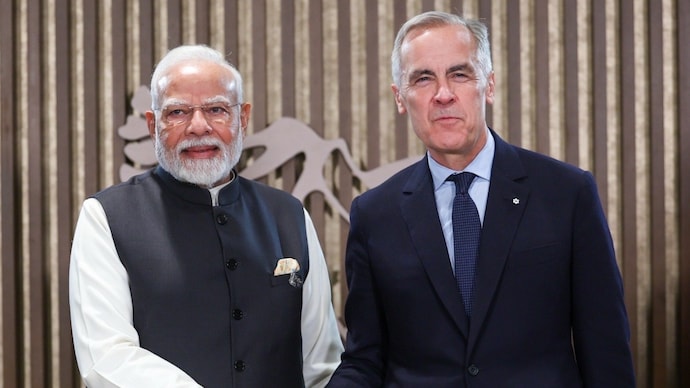
Carney began the diplomatic reset by inviting Indian Prime Minister Narendra Modi to the G7 summit in Alberta in June 2025, followed by Foreign Affairs Minister Anita Anand announcing in August that Canada and India were restoring ties and appointing new high commissioners. National Security Advisor Nathalie Drouin visited New Delhi in September, where she said both countries had "committed to non-interference including refraining from transnational repression."
Community Response and Concerns
The Sikh community has expressed deep concern about Canada's renewed engagement with India without demanding accountability for the alleged assassination plots and other interference activities. "I think the entire Sikh community, including myself, feel a sense of betrayal in this," Singh said. "But I also feel that it's a betrayal of all Canadians and what Canada stands for."
New Democratic Party public safety critic Jenny Kwan, who has herself been a target of foreign interference, called the government's approach "deeply troubling." She told Global News that "at a time when Canadians continue to receive duty to warn notices from the RCMP that their lives may be in jeopardy, it is unconscionable that the Carney government is re-engaging with India without demanding accountability."
Ongoing Security Measures and Activism
Despite the persistent threats, Singh has refused to retreat from his activism. Since Nijjar's murder, he has been forced to live apart from his family for extended periods, with friends sometimes following him in their cars as a security precaution. However, he remains determined to continue his work advocating for Sikh rights and Punjab independence.
"We're not gonna stop doing what we're doing. That's what India wants," Singh said. "I'm not holed up in some bunker or anything like that. I'm very public. I think I'm more public now than I have been ever. And I think there's something drawing that out of me, and a lot of it has to do with my friend's assassination."
The situation highlights the complex balance between national security concerns, diplomatic relations, and the protection of Canadian citizens' rights to free expression and political activism. As Canada moves forward with its India policy, the safety of targeted individuals like Moninder Singh remains a critical concern that demands continued attention and appropriate security measures.