WHO Declares End to Mpox Global Health Emergency in Africa
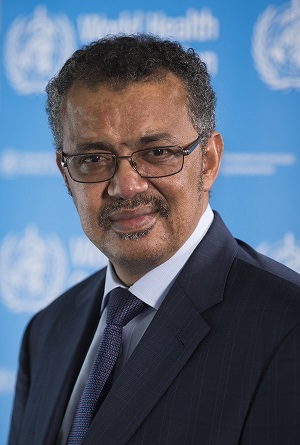
The World Health Organization has officially declared that the mpox outbreak in Africa no longer constitutes a global health emergency. This significant decision, announced by WHO Director-General Dr. Tedros Adhanom Ghebreyesus on Friday, marks a major milestone in the continent's public health response. The declaration comes after extensive monitoring and assessment of the declining case numbers and improved containment measures across affected regions.
The World Health Organization has officially removed the mpox outbreak in Africa from its designation as a Public Health Emergency of International Concern (PHEIC). This landmark decision, announced by WHO Director-General Dr. Tedros Adhanom Ghebreyesus, represents a significant turning point in the global response to the disease that has affected multiple African nations over the past several years.
The declaration follows extensive monitoring and evaluation of the epidemiological situation across affected African countries. WHO officials conducted thorough assessments of case trends, transmission patterns, and healthcare system capacities before reaching this conclusion. The organization emphasized that while the emergency status has been lifted, continued vigilance and surveillance remain essential to prevent future outbreaks.
Background of the Mpox Outbreak
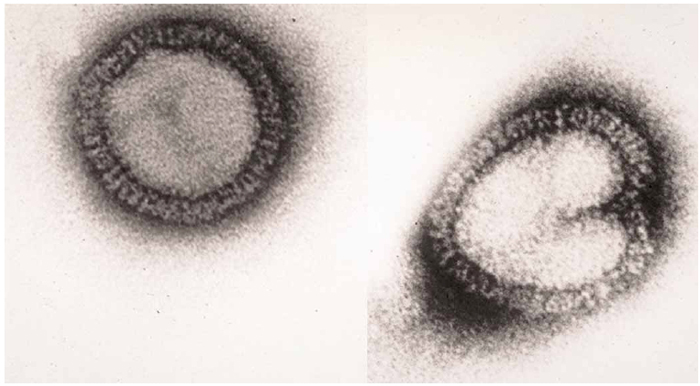
Mpox, formerly known as monkeypox, first emerged as a significant public health concern in Africa several years ago. The disease, caused by the monkeypox virus, is transmitted from animals to humans and can also spread between people through close contact. Symptoms typically include fever, rash, and swollen lymph nodes, with most cases resolving within weeks though severe complications can occur.
Implications of the Decision
The removal of the PHEIC designation means that the mpox situation in Africa no longer meets the criteria for an extraordinary event that constitutes a public health risk to other countries through international spread. This decision reflects the successful containment efforts and declining transmission rates across the continent. However, WHO continues to recommend that countries maintain their surveillance systems and response capacities to address any potential resurgence.
This development allows African nations to shift from emergency response mode to sustained management of mpox as an endemic disease. Health authorities can now focus on integrating mpox prevention and control into routine public health programs rather than maintaining special emergency measures.
Ongoing Monitoring and Future Preparedness
Despite the downgraded status, WHO emphasizes that mpox remains a health concern in Africa that requires continued attention. The organization will maintain its technical support to affected countries, including laboratory capacity strengthening, surveillance system maintenance, and vaccination programs where appropriate. Regular risk assessments will continue to ensure early detection of any changes in the epidemiological situation.
The experience gained from managing the mpox outbreak has provided valuable lessons for future pandemic preparedness. African health systems have demonstrated improved capacity to detect and respond to emerging infectious diseases, contributing to global health security.

The WHO's decision represents a cautious optimism about the current state of mpox control in Africa while acknowledging the need for sustained efforts to prevent future outbreaks. This balanced approach reflects the organization's commitment to evidence-based decision making and adaptive public health management.