WIRED-Tested Over-the-Counter Hearing Aids: Affordable Alternatives to Prescription Devices
Over-the-counter hearing aids approved by the FDA offer accessible and affordable solutions for mild to moderate hearing loss without requiring doctor's appointments. These WIRED-tested devices provide quality sound amplification at a fraction of traditional prescription hearing aid costs. From premium options like Jabra Enhance Select series to budget-friendly choices like JLab Hear, this guide explores the best OTC hearing aids available directly to consumers through online retailers and major electronics stores.
The FDA's approval of over-the-counter hearing aids has revolutionized accessibility for millions of Americans experiencing hearing loss. These prescription-free devices offer a practical solution for those with mild to moderate hearing impairment, providing professional-grade amplification without the traditional barriers of medical appointments and high costs. As WIRED's comprehensive testing reveals, today's OTC hearing aids deliver impressive performance that challenges conventional prescription models.
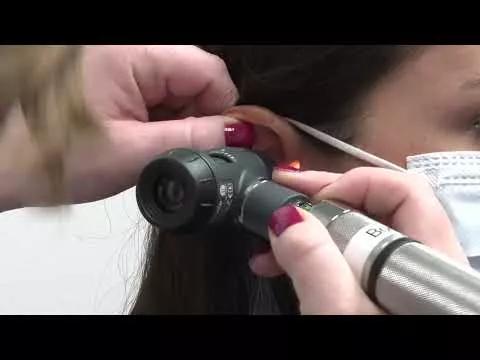
Understanding Over-the-Counter Hearing Aids
Over-the-counter hearing aids are FDA-approved devices designed for individuals with mild to moderate hearing loss that can be purchased without a medical prescription. Similar to reading glasses available at drugstores, these devices provide general hearing assistance rather than customized medical solutions. All hearing aids, whether prescription or OTC, function as air-conduction devices using built-in microphones to capture environmental sounds and deliver amplified audio through tiny speakers directly to the ear.
Key Differences Between OTC and Prescription Hearing Aids
The fundamental distinction lies in the customization process. Prescription hearing aids require comprehensive audiological testing and professional fitting by hearing care specialists who tailor devices to individual hearing loss patterns. OTC models utilize self-fitting approaches, typically through smartphone applications or online hearing tests that provide general amplification settings. While prescription devices address severe to profound hearing loss and accommodate patients under 18, OTC options specifically target adults with mild to moderate impairment.
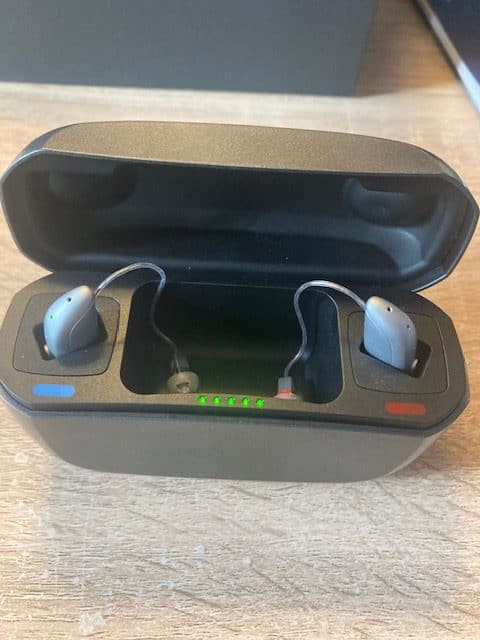
Top WIRED-Tested OTC Hearing Aids
Jabra Enhance Select 300 - Best Overall
Priced at $1,695, the Jabra Enhance Select 300 earned WIRED's top recommendation with medical-grade technology based on ReSound's prescription OMNIA hearing aid. The patented SoundScape technology delivers exceptional speech clarity in noisy environments and effective noise cancellation. The accompanying smartphone app provides four environmental settings with additional fine-tuning options for noise filtering and speech enhancement.
Jabra Enhance Select 700 - Premium Upgrade
At $1,995 (frequently discounted to $1,795), the Enhance Select 700 offers minor improvements including lighter weight, Bluetooth LE support, Auracast compatibility, and enhanced speech processing in challenging acoustic environments. While the upgrades are subtle, the price difference may justify the investment for users seeking the latest features.

Sony CRE-C20 - Best Invisible Fit
For $998, Sony's CRE-C20 hearing aids provide complete discretion with their in-the-ear design that remains virtually undetectable. The transition from replaceable batteries to rechargeable power represents a significant upgrade from previous models. While lacking Bluetooth streaming capabilities, these devices offer excellent sound quality and comfort through app-based control.
Purchasing and Support Considerations
OTC hearing aids are available through manufacturers' websites and major retailers including Amazon, Best Buy, and Walmart. Direct manufacturer purchases often include valuable benefits such as access to audiology teams, personalized tuning services, and comprehensive warranties spanning up to three years. Many companies, including Jabra, provide initial orientation sessions with in-house audiologists to ensure proper setup and usage.
Cost and Accessibility Advantages
The average cost for quality OTC hearing aids ranges from $800 to $2,000, representing substantial savings compared to prescription alternatives. According to government estimates, OTC options save consumers approximately $3,000 compared to traditional hearing aids. While insurance coverage remains limited, many manufacturers offer financing plans and subscription models that include maintenance, support, and regular technology upgrades.
The availability of FDA-approved over-the-counter hearing aids marks a significant advancement in hearing healthcare accessibility. These devices provide effective solutions for mild to moderate hearing loss while eliminating traditional barriers of cost and medical gatekeeping. With proper research and consideration of individual needs, OTC hearing aids offer a practical path to improved hearing without compromising quality or performance.