WIRED-Tested Hearing Aids: Clear Sound Solutions for Everyday Life
Discover the top hearing aids tested and recommended by WIRED experts. From prescription-grade devices to over-the-counter options, we've evaluated more than 45 models to help you find the perfect solution for mild to moderate hearing loss. Our comprehensive testing covers everything from sound quality and comfort to battery life and discreet design, ensuring you never miss another conversation.
In today's world of constant communication, hearing clearly has never been more important. Thanks to FDA approval of over-the-counter hearing aids in 2022, consumers now have unprecedented access to effective hearing solutions without the traditional barriers of cost and medical appointments. WIRED has been at the forefront of testing these devices, evaluating more than 45 hearing aid models across various environments to identify the best options for different needs and budgets.
Understanding Hearing Aid Types
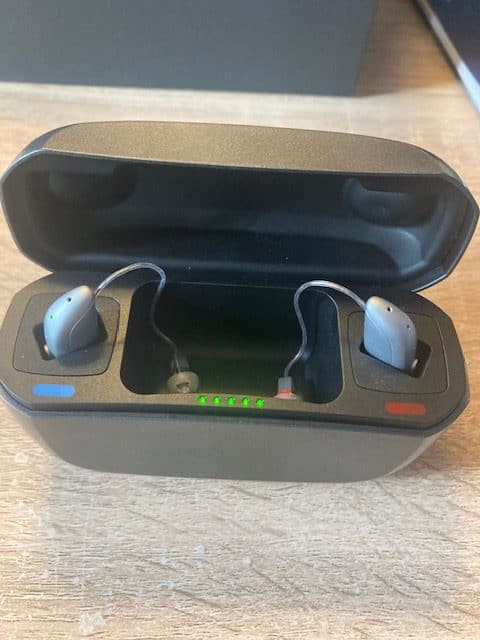
Before diving into specific recommendations, it's crucial to understand the different types of hearing aids available. The market primarily offers two main styles: behind-the-ear (BTE) and in-the-ear (ITE) devices. BTE models feature a case that rests behind the ear with sound delivered through a tube, while ITE devices resemble wireless earbuds and sit directly in the ear canal. Each style offers distinct advantages in terms of technology, comfort, and discretion.
Self-Fitted vs. Preset Options
Modern hearing aids come in two primary configurations: self-fitted and preset models. Self-fitted devices allow users to customize frequency response through mobile apps and hearing tests, providing personalized amplification where it's needed most. Preset models offer universal frequency boosting at a lower cost but lack the precision tuning capabilities. For most users with mild to moderate hearing loss, self-fitted options provide significantly better results.

Top Recommended Hearing Aids
After extensive testing across home environments, outdoor settings, and noisy public spaces, several hearing aids consistently outperformed their competitors. The Jabra Enhance Select 300 earned our top overall rating, delivering prescription-level quality without requiring a doctor's visit. These behind-the-ear devices feature enhanced speech recognition, multiple listening modes, and impressive 30-hour battery life.
Specialized Solutions
For those seeking specific features, several devices stand out. The Sony CRE-C20 offers exceptional discretion as virtually invisible in-the-ear aids, while Apple's AirPods Pro 3 provide an accessible entry point into hearing assistance technology. The Starkey Edge AI RIC RT represents the pinnacle of prescription devices, featuring advanced neural processing for unparalleled sound quality.

Cost Considerations and Insurance
Hearing aid pricing varies dramatically, with prescription devices ranging from $2,000 to $8,000 and quality over-the-counter options typically costing between $800 and $2,000. While Medicare doesn't cover hearing aids, many providers offer financing options, and some states have assistance programs. Veterans may qualify for coverage through VA benefits, and Medicaid in certain states provides hearing aid support.
Making the Right Choice
Selecting the appropriate hearing aid depends on multiple factors including your specific hearing loss pattern, lifestyle needs, and budget constraints. While professional hearing tests provide the most accurate assessment, many over-the-counter options now include reliable app-based testing. Consider trial periods offered by most reputable brands, which allow you to test devices risk-free before committing to a purchase.
Remember that effective hearing assistance should enhance your quality of life without drawing unnecessary attention. Modern hearing aids have evolved significantly in both technology and design, offering solutions that fit seamlessly into daily activities while providing the clarity needed for meaningful conversations and engagement with your environment.