U.S. Negotiators Return to Israel to Bolster Fragile Gaza Ceasefire
Senior U.S. envoy Steve Witkoff and Jared Kushner returned to Israel on Monday to reinforce the fragile ceasefire between Israel and Hamas after weekend clashes threatened to unravel President Trump's peace agreement. The renewed violence, which resulted in dozens of casualties, marked the most serious challenge to the October 10 ceasefire. Both sides have recommitted to the peace process following Israeli airstrikes and Hamas attacks that killed two Israeli soldiers and 45 Palestinians according to local health officials.
The fragile peace agreement brokered by President Trump between Israel and Hamas faced its most serious test over the weekend as renewed violence threatened to derail the ceasefire that took effect on October 10. Senior U.S. envoy Steve Witkoff and Jared Kushner, the key architects of the Trump administration's Middle East peace initiative, returned to Israel on Monday to shore up the agreement and prevent further escalation.

Weekend Violence Tests Ceasefire
The ceasefire appeared to be unraveling over the weekend when Israel conducted multiple strikes inside Gaza following a deadly attack on Israeli soldiers. The Israel Defense Forces reported that two soldiers were killed when Hamas operatives opened fire with an RPG, while local health officials in Gaza said 45 people were killed in the Israeli strikes. The violence represented the gravest threat to the peace process since its implementation.
Both sides accused each other of violating the terms of President Trump's peace plan during the weekend clashes. However, by Monday, the skies over Gaza had quieted and both parties recommitted to the ceasefire process. President Trump addressed the situation, stating it would be "handled toughly, but properly" and confirming his view that the ceasefire remained in effect.
Humanitarian Impact and Border Access
The renewed fighting had immediate consequences for Gaza's civilian population and humanitarian aid operations. During the weekend violence, Israeli officials announced the suspension of all humanitarian aid deliveries into Gaza. However, by Monday, COGAT—the Israeli government agency handling affairs in Palestinian territories—confirmed that the Kerem Shalom border crossing had reopened for aid transit.
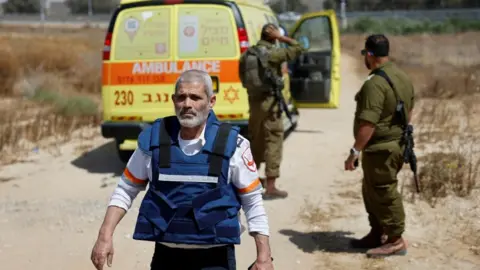
The United Nations and multiple humanitarian agencies have repeatedly called for Israel to open all border crossings into Gaza to allow increased flow of food, water, medicine, building materials, and other essential supplies. Maximizing aid ingress is a key component of the U.S. peace plan under the ceasefire agreement.
Diplomatic Efforts Intensify
As mediators worked to stabilize the situation, Israeli Prime Minister Benjamin Netanyahu met with Witkoff and Kushner on Monday to discuss regional developments. According to Shosh Bedrosian, spokeswoman for Netanyahu's office, the meetings focused on ensuring the peace process remains on track.
Vice President JD Vance is also scheduled to visit Israel this week and meet with Netanyahu, though exact arrival dates haven't been confirmed. The continued high-level U.S. engagement underscores the administration's commitment to preserving the ceasefire and advancing the broader peace initiative.
Broader Regional Context
In a recent exclusive interview with 60 Minutes, Witkoff and Kushner revealed key moments that led to the ceasefire agreement. They highlighted an apology phone call from Netanyahu to Qatar's leader regarding unprecedented airstrikes on Doha, and a moment of personal connection between Witkoff and Hamas' top negotiator as critical turning points in the negotiations.

The current diplomatic push aims to build on these earlier breakthroughs while addressing the underlying tensions that sparked the weekend violence. The situation remains delicate, with both sides maintaining their positions regarding responsibility for the recent clashes while committing to the broader peace framework.
As U.S. officials continue their shuttle diplomacy, the international community watches closely to see whether the Trump administration can maintain the fragile peace and build toward a more sustainable resolution to the long-standing conflict between Israel and Hamas.