Read on nature.com
Nature's Archive: Commemorating Scientific Legacy and Protecting Indigenous Livestock Genetics
Nature's historical archive reveals two critical stories: the commemoration of its first editor's legacy and emerging threats to indigenous livestock genetic resources. These archival insights highlight the importance of preserving both scientific heritage and biological diversity. The archive serves as a vital repository connecting past scientific achievements with contemporary conservation challenges, offering valuable lessons for modern scientific practice and agricultural sustainability.
Nature's historical archive provides a fascinating window into the evolution of scientific publishing and the ongoing challenges in agricultural conservation. Recent explorations of this rich repository reveal two particularly compelling narratives: the commemoration of Nature's founding editorial vision and the persistent threats facing indigenous livestock genetic resources that remain crucial to global food security.

The Legacy of Nature's First Editor
The archive commemorates the vision and contributions of Nature's inaugural editor, whose foundational principles continue to shape scientific publishing today. This historical figure established editorial standards that prioritized rigorous peer review, clear scientific communication, and broad accessibility of research findings. The commemorative lecture series mentioned in the archive serves as an important reminder of how scientific publishing traditions evolve while maintaining core values of integrity and knowledge dissemination.
Indigenous Livestock Genetic Resources Under Threat
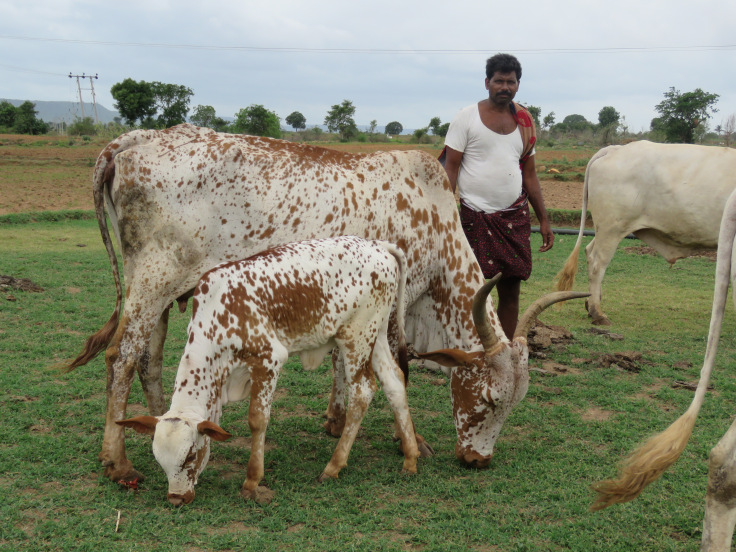
Perhaps more urgently, the archive highlights concerns about indigenous livestock breeds that represent invaluable genetic reservoirs. These animals, developed over centuries through traditional breeding practices, possess unique traits including disease resistance, climate adaptability, and nutritional qualities that modern commercial breeds often lack. The genetic diversity contained within these indigenous populations represents a critical insurance policy against future agricultural challenges, including climate change and emerging diseases.
Connecting Historical Insight with Contemporary Relevance
The dual focus of Nature's archival exploration demonstrates how historical scientific records remain relevant to current challenges. The commemoration of editorial legacy reminds us of the importance of maintaining high standards in scientific communication, while the documentation of genetic resource threats underscores the ongoing need for conservation efforts. This connection between past and present illustrates how scientific archives serve not merely as historical records but as active resources for addressing contemporary issues.
Preserving Scientific and Biological Heritage
Both aspects of the archive exploration emphasize the critical importance of preservation—whether of scientific traditions or biological diversity. The threats to indigenous livestock genetics parallel broader concerns about biodiversity loss and the erosion of traditional knowledge systems. Similarly, maintaining awareness of scientific publishing history helps preserve the institutional memory necessary for continued excellence in research communication.

The insights from Nature's archive serve as a powerful reminder that scientific progress depends on both honoring past achievements and protecting future resources. The commemoration of editorial legacy and the documentation of genetic threats together highlight the interconnected nature of scientific heritage and biological conservation. As we face increasing challenges in both scientific communication and agricultural sustainability, these archival lessons provide valuable guidance for maintaining the integrity of both our scientific institutions and our biological resources.