Read on Global News
U.S. Expands Travel Ban: Five New Countries and Palestinian Authority Face Full Restrictions
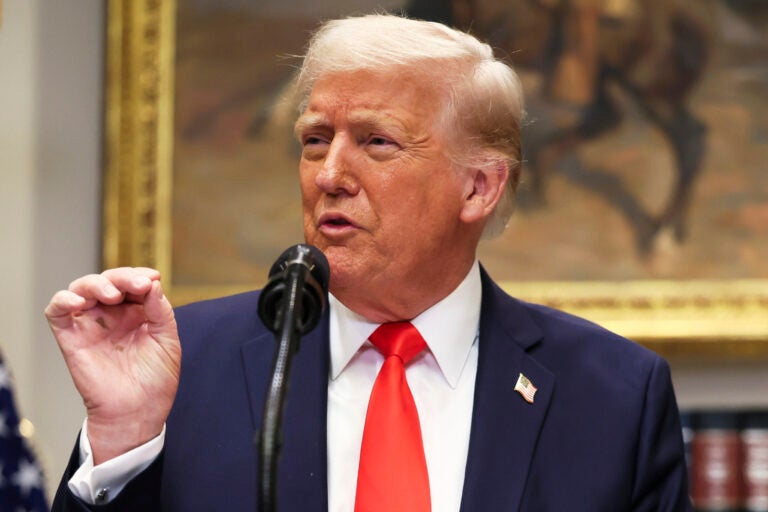
The Trump administration has significantly expanded U.S. travel restrictions, adding five more countries and the Palestinian Authority to the list of entities facing a full ban on travel to the United States. New partial restrictions have also been imposed on 15 additional nations, effectively doubling the scope of the policy announced earlier in 2025. The administration cites concerns over national security, document reliability, and government cooperation as primary justifications for the expansion, which critics argue unfairly targets broad groups of people based on nationality.
The landscape of U.S. immigration and travel policy underwent another significant shift as the Trump administration announced a major expansion of its travel restrictions. This latest move doubles the number of nations affected by the sweeping limits introduced earlier in 2025, adding five new countries and the Palestinian Authority to the list facing a full ban, while imposing new partial restrictions on 15 others. This policy expansion represents a continuation of efforts to tighten entry standards, a hallmark of the administration's approach to border security and immigration enforcement.

Scope of the Expanded Travel Ban
The newly announced restrictions build upon the framework established in June 2025. At that time, President Donald Trump announced a ban affecting citizens from 12 countries and heightened restrictions on visitors from seven others. The December expansion adds Burkina Faso, Mali, Niger, South Sudan, and Syria to the list of countries whose citizens are fully banned from entering the United States. Notably, the administration also fully restricted travel for individuals holding Palestinian Authority-issued travel documents, marking the latest in a series of U.S. travel restrictions against Palestinians.
Administration Justifications and Criteria
In its official announcement, the Trump administration outlined several key justifications for expanding the travel restrictions. Officials cited concerns about "widespread corruption, fraudulent or unreliable civil documents and criminal records" in many of the affected countries, which they argued made proper vetting of travelers difficult. Additional factors included high rates of visa overstays, refusal by some nations to accept the return of their citizens whom the U.S. wishes to deport, and a "general lack of stability and government control." The administration also pointed to broader immigration enforcement, foreign policy, and national security concerns as driving factors behind the decision.
Exemptions and Implementation Details
Despite the broad nature of the restrictions, several important exemptions remain in place. According to the administration's announcement, people who already possess valid U.S. visas, lawful permanent residents (green card holders), and individuals with certain specific visa categories—such as diplomats or athletes—are exempt from the new restrictions. Additionally, exemptions apply to those whose entry into the United States is deemed to "serve the U.S. interest." The restrictions apply uniformly to both individuals seeking to visit the U.S. and those attempting to emigrate there permanently. The exact implementation date for these new restrictions was not immediately clarified in the initial announcement.
Context and Political Reactions
The expansion of the travel ban occurs within a specific political context. The administration suggested it would consider expanding restrictions following the arrest of an Afghan national suspected in the shooting of two National Guard troops over the Thanksgiving weekend. This incident prompted a flurry of immigration-related policy announcements. The move has already drawn sharp criticism from advocacy groups and political opponents. Laurie Ball Cooper, Vice President of U.S. Legal Programs at the International Refugee Assistance Project, stated, "This expanded ban is not about national security but instead is another shameful attempt to demonize people simply for where they are from." Such criticism echoes longstanding debates about the efficacy and fairness of nationality-based travel restrictions.
Adjustments to Previous Restrictions
Alongside the new bans, the administration made adjustments to the status of some countries already on the restricted lists. Restrictions were upgraded for Laos and Sierra Leone, moving them from the partially restricted list to a more stringent category. In a contrasting move, the administration determined that Turkmenistan had "improved enough" to warrant the easing of some previously imposed restrictions on travelers from that country. The administration confirmed that all other aspects of the travel restrictions announced in June 2025 remain firmly in place.

Conclusion and Implications
The expansion of the U.S. travel ban to include five additional countries and the Palestinian Authority, along with new restrictions on 15 others, significantly alters the global mobility landscape for citizens of affected nations. This policy reinforces the administration's commitment to a restrictive immigration framework justified by national security and vetting concerns. While exemptions protect certain categories of travelers, the broad nature of the bans will likely face continued legal and political challenges. The development underscores the ongoing tension between border security objectives and principles of equitable treatment in international travel and immigration policy.