No Kings Protests: A Nationwide Movement Against Authoritarianism
The 'No Kings' protests emerged as a significant nationwide movement with organizers claiming participation from over 7 million people across 2,700 cities. This widespread demonstration brought together diverse coalitions including high-profile politicians and celebrities, all united in their opposition to the Trump administration. The peaceful gatherings showcased the growing resistance movement's ability to mobilize across the United States, featuring creative expressions of dissent through signs and inflatable costumes while maintaining orderly conduct throughout all events.
The political landscape witnessed one of the largest coordinated protest movements in recent history as the "No Kings" rallies swept across the United States. Organized primarily by the nonprofit Indivisible, these demonstrations represented a powerful statement against what participants perceived as authoritarian tendencies in the Trump administration. The scale and diversity of the protests revealed the depth of opposition and the organizational capacity of grassroots movements in contemporary American politics.
Unprecedented Scale and Organization
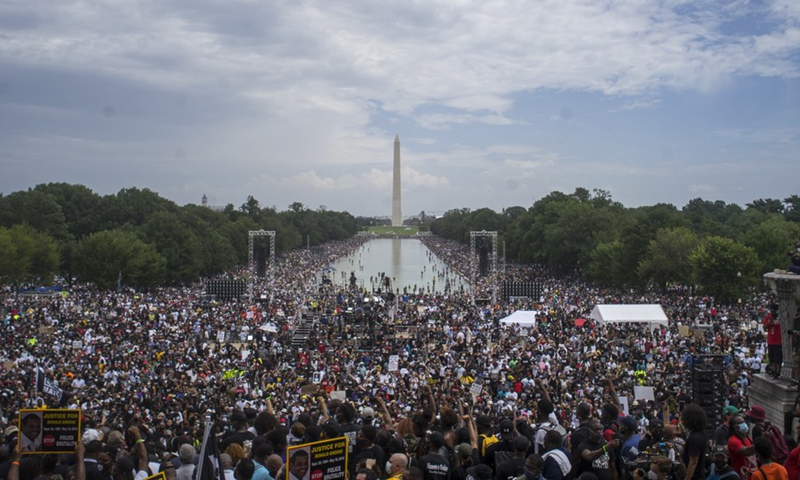
According to organizers from Indivisible, the No Kings protests achieved remarkable participation numbers, with more than 7 million people attending across 2,700 cities throughout the United States and internationally. This massive turnout demonstrated the movement's extensive reach and organizational capabilities. The protests were strategically coordinated to maximize visibility and impact, with events occurring simultaneously in urban centers and smaller communities alike.
Diverse Participation and Peaceful Nature
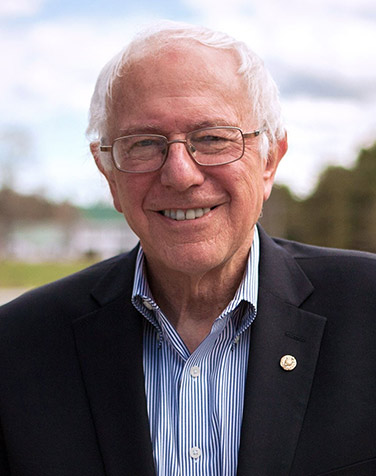
The protests attracted a remarkably diverse coalition of participants, including high-profile politicians such as Illinois governor JB Pritzker and Senator Bernie Sanders, along with A-list celebrities like Pedro Pascal. Despite pre-event characterization by House speaker Mike Johnson as "hate America" rallies filled with "antifa types," the gatherings remained uniformly peaceful throughout all locations. The creative expression through signs and inflatable costumes became a defining characteristic of the events, with these visual elements often outnumbering any confrontational elements.

Political Context and Response
The protests occurred against a backdrop of increasing political polarization and concerns about democratic norms. As reported by WIRED, Indivisible cofounders Ezra Levin and Leah Greenberg emphasized in their statement that the demonstrations aimed to "reject authoritarianism and remind the world that our democracy belongs to the people, not to one man's ambition." The Trump administration's response included an AI-generated video depicting the president dropping excrement on protesters, highlighting the unusual nature of political discourse surrounding the events.
Geographic Spread and Local Impact
From major metropolitan areas like New York, Los Angeles, and Chicago to smaller communities such as Arco, Idaho and Cornelius, North Carolina, the protests demonstrated nationwide reach. The participation across geographically and politically diverse regions indicated that opposition to the administration extended beyond traditional Democratic strongholds. This broad geographic distribution suggested a movement with roots in various American communities rather than being concentrated in specific regions.
Movement Significance and Future Implications
The No Kings protests represented more than a single day of demonstration—they signaled the maturation of organized resistance movements capable of mobilizing millions of Americans. The peaceful nature of the events, combined with their massive scale, suggested a movement focused on sustained political engagement rather than temporary outrage. As political tensions continue to shape American democracy, the organizational model demonstrated by these protests may influence future political mobilization strategies across the ideological spectrum.
The success of the No Kings protests in maintaining peaceful conduct while achieving massive participation numbers provides a template for large-scale political mobilization in polarized times. The movement's ability to bring together diverse constituencies—from political leaders to ordinary citizens—demonstrates the continuing vitality of grassroots organizing in American politics and sets a precedent for future expressions of political dissent.