Private Funding for Trump's $300 Million White House Ballroom Project
President Trump's proposed $300 million White House ballroom project is being funded entirely through private donations from major corporations and wealthy individuals, according to White House officials. The project's cost has increased significantly from initial estimates, now reaching $300 million. Donors include prominent tech companies like Amazon, Apple, and Meta, along with cryptocurrency executives and prominent business families. The administration maintains that no taxpayer funds will be used for the construction, though specific donation amounts from each contributor remain undisclosed.
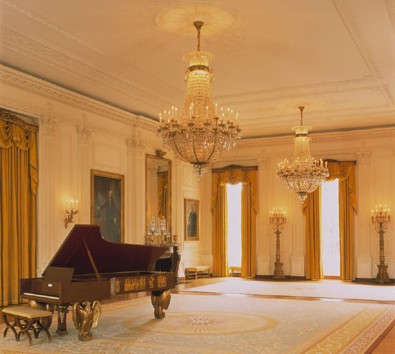
The White House has unveiled plans for a major renovation project—a $300 million ballroom—that President Trump insists will be funded entirely through private donations rather than taxpayer money. This ambitious undertaking represents one of the most significant private funding initiatives for presidential infrastructure in recent history, raising questions about the relationship between corporate donors and government projects.

Project Scope and Cost Increases
The ballroom project has seen substantial cost escalation since its initial announcement. President Trump recently revealed that the total cost has reached $300 million, representing a significant increase from earlier estimates. This cost inflation raises important questions about project management and budget control for privately-funded government infrastructure projects. The administration has not provided detailed explanations for the cost increases, leaving some observers to speculate about the factors driving the budget expansion.
Funding Structure and Donor Base
According to information provided to PBS News, the funding comes from a diverse group of corporate and individual donors. The donor list includes major technology companies such as Amazon, Apple, Meta Platforms, Google, and Microsoft. Other significant corporate contributors include defense contractor Lockheed Martin, telecommunications provider T-Mobile, and railroad company Union Pacific. The breadth of industries represented suggests widespread corporate interest in supporting presidential initiatives through private funding channels.

Individual and Family Contributions
Beyond corporate donors, the project has attracted support from wealthy individuals and family foundations. Notable contributors include the Adelson Family Foundation, the Lutnick Family (related to Commerce Secretary Howard Lutnick), and the Laura & Isaac Perlmutter Foundation. Individual donors such as Stephen A. Schwarzman, Harold Hamm, and cryptocurrency executives Charles and Marissa Cascarilla also appear on the list. The involvement of cryptocurrency industry figures, including the co-founders of Gemini exchange Cameron and Tyler Winklevoss, highlights the expanding influence of digital currency entrepreneurs in political and governmental projects.
Transparency and Accountability Concerns
While the White House has released the names of contributing entities, significant transparency issues remain. The administration has not disclosed specific donation amounts from each contributor, nor has it revealed how much personal funding President Trump plans to contribute. This lack of detailed financial information makes it difficult to assess the proportional influence of different donors and raises questions about potential conflicts of interest. The arrangement also prompts discussion about the appropriate boundaries between private funding and government infrastructure.
Broader Implications
The private funding model for government projects represents a significant departure from traditional approaches to presidential infrastructure. While potentially reducing taxpayer burden, this approach introduces new considerations about corporate influence and the commercialization of government facilities. The project may set precedents for how future administrations approach funding for White House renovations and expansions, potentially reshaping the relationship between private wealth and public institutions.
As the ballroom project moves forward, ongoing scrutiny will focus on both the construction process and the continuing relationship between the administration and its private funders. The success or failure of this funding model could influence similar initiatives in the future, making this $300 million project a potentially transformative experiment in government financing.