Low-Dose Radiation Therapy Shows Promise for Knee Osteoarthritis Pain Relief
Korean researchers have demonstrated that low-dose radiation therapy can significantly reduce knee pain and improve mobility in patients with mild to moderate osteoarthritis. A recent randomized controlled trial showed that a single course of radiation, using only 5% of typical cancer treatment doses, provided meaningful benefits beyond placebo effects. With no reported side effects and strong clinical results, this approach offers a potential middle ground between pain medications and joint replacement surgery for osteoarthritis management.
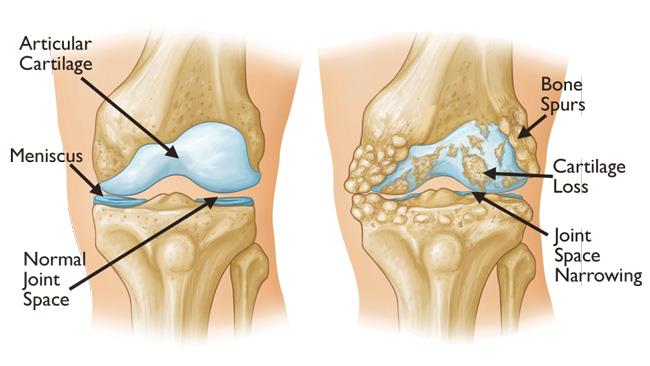
For millions of people suffering from knee osteoarthritis, the search for effective pain relief without significant side effects has been challenging. A groundbreaking study from Korean researchers now suggests that low-dose radiation therapy may provide a safe and effective alternative for managing osteoarthritis symptoms. This innovative approach, which uses radiation doses far below those employed in cancer treatment, has shown promising results in reducing pain and improving mobility in clinical trials.
Understanding the Clinical Trial
The multicenter study, conducted across three academic hospitals in Korea, involved 114 participants with mild to moderate knee osteoarthritis. Researchers employed a rigorous placebo-controlled design to ensure the results reflected genuine treatment effects rather than placebo responses. Participants were randomly assigned to one of three groups: very low dose radiation (0.3 Gy), low dose radiation (3 Gy), or a control group that received simulated treatment without actual radiation exposure.
Each participant underwent six treatment sessions without knowing which group they were assigned to, and researchers carefully restricted the use of additional pain medications during the four-month follow-up period. This methodological approach, as explained by principal investigator Dr. Byoung Hyuck Kim from Seoul National University College of Medicine, helped isolate the true effects of radiation therapy from other variables that could influence outcomes.
Significant Clinical Benefits
The trial results demonstrated compelling evidence for the effectiveness of low-dose radiation therapy. After four months of follow-up, 70% of patients in the 3 Gy group met the criteria for treatment response, compared to only 42% in the placebo group. This statistically significant difference (p=0.014) indicates that the radiation therapy provided benefits beyond what could be attributed to placebo effects alone.
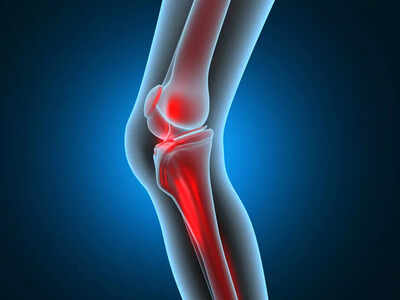
Meaningful improvements in composite scores measuring pain, stiffness, and physical function were also more frequently reported in the 3 Gy group (56.8%) compared to the placebo group (30.6%). Importantly, no radiation-related side effects were observed throughout the study, highlighting the safety profile of this treatment approach. The radiation dose used in the effective treatment group represented less than 5% of what is typically administered in cancer radiation therapy.
Clinical Implications and Future Directions
This research addresses a significant gap in osteoarthritis treatment options. As Dr. Kim noted, "People with painful knee osteoarthritis often face a difficult choice between the risks of side effects from pain medications and the risks of joint replacement surgery. There's a clinical need for moderate interventions between weak pain medications and aggressive surgery."
The study team is currently completing 12-month follow-up assessments to determine the durability of the treatment benefits. Future research will include larger pragmatic trials to evaluate outcomes in specific patient subgroups and health-economic analyses comparing low-dose radiation therapy with conventional injection and medication regimens. According to the research presented at the American Society for Radiation Oncology Annual Meeting, this approach may be particularly suitable for patients with underlying inflammation and preserved joint structure.
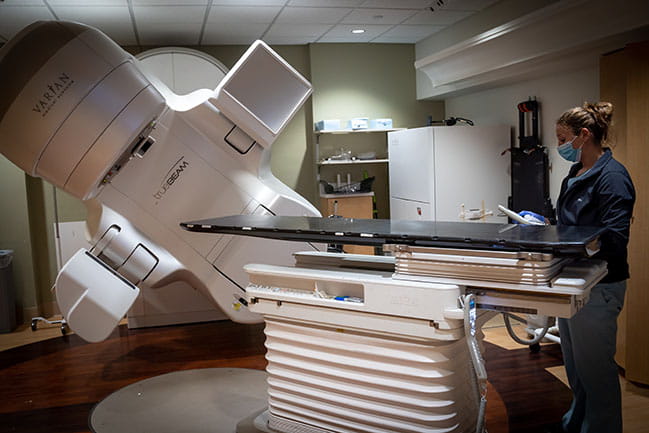
Low-dose radiation therapy has been used in European countries like Germany and Spain for joint pain treatment, but this study provides the rigorous placebo-controlled evidence needed to support wider adoption. The treatment represents a promising option for patients who may not be ready for surgical intervention but require more effective pain management than standard medications can provide.
As research continues to evolve, low-dose radiation therapy could become an important component in the comprehensive management of osteoarthritis, offering hope to the millions worldwide who struggle with this debilitating condition.