Senate Votes to Repeal 2002 Iraq War Authorization in Bipartisan Move
In a significant bipartisan action, the Senate has voted to repeal the 2002 Authorization for Use of Military Force that authorized the Iraq War. The amendment, sponsored by Democratic Senator Tim Kaine and Republican Senator Todd Young, was approved by voice vote as part of the annual defense authorization bill. This move represents a major step toward formally ending the Iraq War and restoring war powers to Congress, coming more than two decades after the initial invasion.
In a rare moment of bipartisan cooperation amid ongoing government shutdown tensions, the United States Senate has taken a historic step toward formally closing the chapter on the Iraq War. The chamber voted Thursday to repeal the 2002 Authorization for Use of Military Force (AUMF) that originally sanctioned the U.S. invasion of Iraq, marking a significant shift in congressional war powers and foreign policy approach.
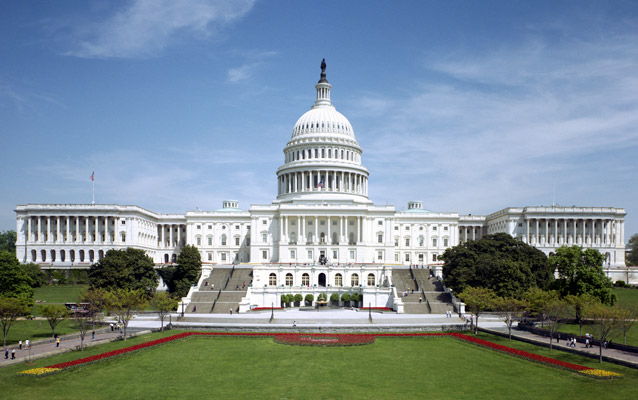
Bipartisan Amendment Passes Unanimously
The amendment to repeal the 2002 Iraq War authorization was introduced by Democratic Senator Tim Kaine of Virginia and Republican Senator Todd Young of Indiana. In a remarkable display of consensus, the measure was approved by voice vote with no debate and no objections, attached to the annual National Defense Authorization Act that passed the Senate late Thursday. This unanimous endorsement represents a stark contrast to the partisan deadlock that has characterized other recent congressional proceedings.
Senator Kaine described the vote as a quiet but meaningful conclusion to a conflict that has profoundly shaped American foreign policy for more than two decades. "That's the way the war ends, not with a bang but a whimper," Kaine remarked following the vote, acknowledging the profound impact the conflict has had on both the United States and the Middle East region.

Restoring Congressional War Powers
The repeal effort represents a crucial step in reasserting congressional authority over military engagements. Supporters from both parties emphasize that returning these fundamental war powers to Congress is essential for preventing future abuses and reinforcing Iraq's current status as a strategic partner of the United States. The House of Representatives had already added a similar amendment to its version of the defense bill in September, making the repeal likely to be included in the final legislation after reconciliation between the two chambers.
Senator Young highlighted the constitutional significance of the action, stating that "Congress is now very clearly asserting that it is our prerogative and our responsibility not only to authorize but also to bring to an end military conflicts." This establishes an important precedent for future congressional oversight of military engagements.
Historical Context and Future Implications
The 2002 Iraq AUMF has been rarely used in recent years, though the Trump administration cited it as part of the legal justification for the 2020 drone strike that killed Iranian General Qassim Soleimani. Both the Senate and House bills also include repeal of the 1991 authorization that sanctioned the U.S.-led Gulf War, further clearing outdated military authorizations from the books.
However, the separate 2001 authorization for the global war on terror would remain in place under the current legislation. That measure, passed in the immediate aftermath of the September 11 attacks, has been used to justify military action against various terrorist groups deemed threats to American security.

The bipartisan nature of this vote, occurring during a weeklong government shutdown standoff, demonstrates that Congress can still achieve consequential legislative actions despite deep political divisions. As Senator Young noted, this "extraordinary moment" offers hope that lawmakers can find common ground on important national security matters, even when gridlock prevails on other issues.