Understanding the Potential Government Shutdown: Key Facts and Implications
As the deadline approaches for government funding legislation, the possibility of a government shutdown looms large. If Congress fails to pass and President Trump signs the necessary legislation by Tuesday night, many federal operations could face temporary suspension. This situation would result in the furlough of non-essential federal employees and the closure of numerous government offices, affecting services across multiple agencies. The current standoff highlights the ongoing budgetary challenges facing the federal government and the potential consequences for both federal workers and the public.
With the Tuesday night deadline rapidly approaching for government funding legislation, the nation faces the real possibility of a government shutdown. This critical situation arises when Congress fails to pass and the President fails to sign the necessary appropriations bills to fund federal operations. The consequences of such an event would be immediate and widespread, affecting government services, federal employees, and the American public.
What Triggers a Government Shutdown
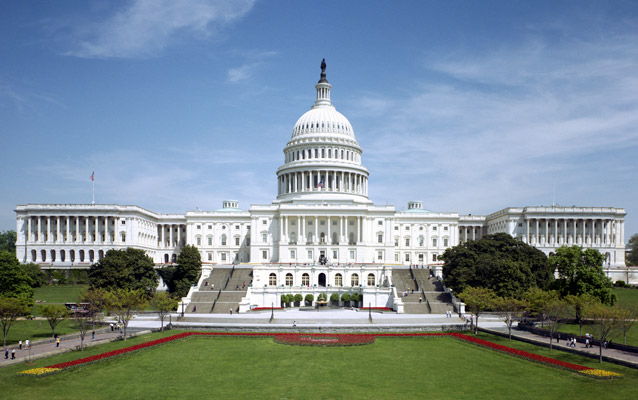
A government shutdown occurs when Congress fails to enact appropriations legislation that the President will sign into law. This situation typically arises from political disagreements over spending priorities or policy riders attached to funding bills. According to PBS NewsHour reporting, the current deadline represents a critical juncture for federal operations, with congressional leaders actively negotiating to avoid a shutdown scenario.
Immediate Consequences and Impact
The most visible impact of a government shutdown involves the temporary closure of many government offices and facilities. Non-essential federal employees would be placed on furlough, meaning they would be temporarily suspended from work without pay. Essential services, such as national security, law enforcement, and air traffic control, would continue to operate, but many other government functions would cease or be significantly reduced.

Resolution and Moving Forward
To end a government shutdown, Congress must pass and the President must sign appropriations legislation. This process often involves compromise and negotiation between political parties and branches of government. The current situation underscores the importance of timely legislative action and the potential consequences when political disagreements prevent the normal functioning of government.
As the deadline approaches, all parties involved face pressure to reach an agreement that will keep the government operating and avoid the disruption that a shutdown would cause to federal services and employees across the nation.