How Digital Fandom Transformed Political Campaigning
The successful mayoral campaign of Zohran Mamdani demonstrates a fundamental shift in political communication strategies. Rather than relying solely on traditional campaign messaging, Mamdani's victory was significantly bolstered by organic fan-generated content that created a genuine online community. This approach, which borrows from celebrity and music fandom culture, represents a new paradigm for political engagement where supporters actively participate in content creation rather than passively consuming campaign materials.
The landscape of political campaigning is undergoing a profound transformation, moving beyond traditional messaging strategies to embrace the participatory culture of digital fandom. The recent mayoral campaign of Zohran Mamdani exemplifies this shift, demonstrating how organic fan engagement can complement and amplify official campaign efforts in ways that resonate with modern voters.

The Rise of Political Fandom
What distinguishes Mamdani's digital strategy is the emergence of authentic political fandom—a phenomenon traditionally reserved for celebrities and musicians. Supporters independently created and shared content that celebrated the candidate, transforming the typical one-way communication of political campaigns into a dynamic, participatory ecosystem. This organic engagement reflects how younger voters, accustomed to interacting with their favorite artists and influencers online, are now applying those same digital behaviors to political participation.
Authentic Engagement Over Manufactured Content
Unlike many contemporary political campaigns that rely on AI-generated content and trending audio formats, Mamdani's approach prioritized substance and authenticity. As noted in the WIRED analysis, the campaign maintained professional seriousness while allowing supportive culture to flourish organically around the candidate. This balance created space for genuine community building rather than transactional political messaging.

Bridging Digital and Physical Communities
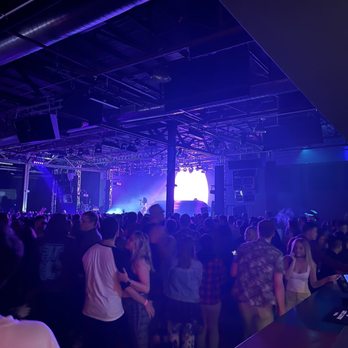
The fandom surrounding Mamdani extended beyond digital spaces into real-world interactions. Campaign events blended traditional political organizing with fan community activities, creating unique opportunities for connection across demographic lines. This integration demonstrates how digital enthusiasm can translate into tangible political engagement, with online communities becoming active participants in offline campaign activities and voter mobilization efforts.
The success of this approach suggests that future political campaigns may need to reconsider their relationship with digital platforms and supporter communities. Rather than treating social media as merely another broadcast channel, campaigns that embrace participatory fandom culture may discover more authentic and sustainable ways to build political movements that resonate with contemporary voters.