FBI Director Faces Bipartisan Criticism Over Epstein Files and Terror Investigation Updates
FBI Director Kash Patel is facing bipartisan criticism for withholding Epstein-related information while the bureau investigates a potential terror attack at its Pittsburgh field office. Simultaneously, new evidence emerges regarding Alexei Navalny's poisoning. This news wrap covers the latest developments in these high-profile cases and their implications for national security and transparency.
FBI Director Kash Patel is confronting significant bipartisan criticism for his handling of sensitive Epstein-related information, raising questions about government transparency and accountability. The controversy emerges alongside a developing terror investigation in Pittsburgh and new revelations about Russian opposition leader Alexei Navalny's death, creating a complex landscape of national security challenges.
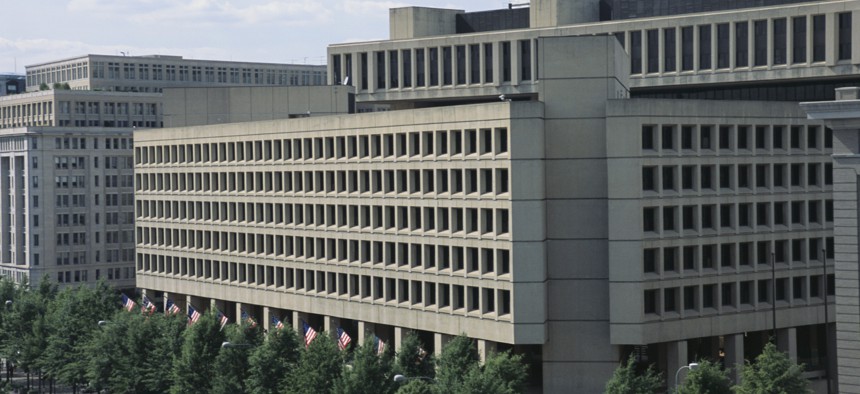
Epstein Files Controversy
Director Patel faces mounting pressure from both Democratic and Republican lawmakers regarding the FBI's handling of Epstein-related documents. Critics argue that the bureau possesses additional information that should be made public to ensure full transparency in the investigation. The bipartisan nature of this criticism underscores the seriousness of the concerns about information disclosure in high-profile cases.
Pittsburgh Terror Investigation
In a separate development, FBI officials in Pittsburgh are treating a recent car ramming incident at their local field office as a potential act of terror. The investigation is ongoing, with authorities working to determine the motives and connections behind the attack. This incident highlights the ongoing security challenges facing law enforcement agencies across the country.

Navalny Poisoning Evidence
The widow of Russian opposition leader Alexei Navalny has presented new evidence suggesting her husband was poisoned before his death. This development adds another layer to the international concerns surrounding Navalny's treatment and raises questions about political opposition safety in Russia. The evidence could have significant implications for international relations and human rights discussions.
These simultaneous developments demonstrate the multifaceted challenges facing law enforcement and intelligence agencies. The Epstein files controversy tests institutional transparency, the Pittsburgh investigation addresses domestic security concerns, and the Navalny case involves international human rights issues. Together, they represent the complex intersection of law enforcement, politics, and international relations in contemporary security discussions.