Grading the 2025 College Football Coaching Carousel: Analysis of Every Major Hire
The 2025-26 college football coaching cycle has been one of the wildest in recent memory, featuring high-profile moves, surprising promotions, and program-defining decisions. From Michigan's stability-focused hire of Kyle Whittingham to LSU's blockbuster acquisition of Lane Kiffin, programs across the Power 4 conferences have made calculated bets on their future. This comprehensive analysis grades each major hire, examining the fit, challenges, and potential for success as teams navigate the new realities of roster management, NIL, and conference realignment. We evaluate how each coach's background, philosophy, and experience align with their new program's needs in an era where coaching transitions have never been more complex.
The 2025 college football coaching carousel has spun at a dizzying pace, creating what ESPN analyst Adam Rittenberg called "the wildest college football coaching cycle -- perhaps ever." As programs navigate the new realities of NIL, the transfer portal, and conference realignment, each hiring decision carries unprecedented weight and complexity. This analysis grades every major coaching hire, examining the strategic fit, immediate challenges, and long-term potential for programs seeking to position themselves for success in college football's evolving landscape.

Michigan: Kyle Whittingham (Grade: B+)
Michigan's hiring of Kyle Whittingham represents a stability-first approach following a turbulent period marked by scandals. The 66-year-old future Hall of Famer brings 32 years of experience at Utah, where he guided the program through conference transitions from the Mountain West to the Pac-12 to the Big 12. Whittingham's teams are known for their physicality along the line of scrimmage, a style that should resonate with Michigan's traditional identity. Despite not landing top-10 recruiting classes consistently, Utah produced 21 NFL draft selections in the past five years under his leadership.
The primary question surrounding Whittingham's hire concerns longevity and regional adaptation. Having spent his entire coaching career in Utah aside from a brief stint at Idaho State, Whittingham faces the challenge of establishing himself in a completely new region at age 66. His ability to develop quarterback Bryce Underwood (assuming he remains at Michigan) will be crucial, as Utah quarterbacks ranked outside the top 50 nationally in QBR for three consecutive years before this season. Whittingham's staff hires will be critical, particularly since many longtime Utah assistants were expected to remain with new Utes coach Morgan Scalley.
Penn State: Matt Campbell (Grade: A-)
Penn State secured one of the most sought-after coaches in Matt Campbell, who built a historic decade of consistency at Iowa State. Campbell transformed a program with limited resources, recording five seasons of eight or more wins and a team-record 11 victories just last season. His developmental approach produced 12 NFL draft picks in five years, including notable success stories like Brock Purdy. Campbell brings a clear offensive vision to a Penn State program that has struggled to optimize its offensive production in recent years.
The challenges for Campbell involve transitioning from a program where eight wins is celebrated to one with national championship-or-bust expectations. He inherits a difficult roster situation with only two recruits signed during the early signing period, necessitating aggressive transfer portal activity. Some question his readiness for high-level recruiting and NIL management after a decade at Iowa State, where he excelled at evaluating under-the-radar talent rather than competing for blue-chip prospects.
LSU: Lane Kiffin (Grade: A-)
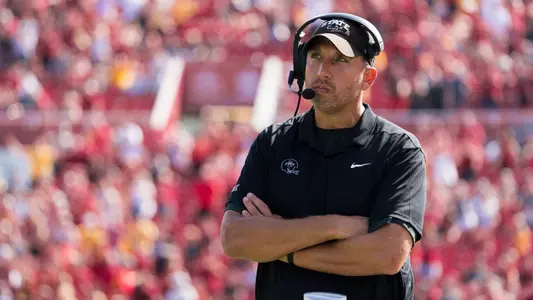
LSU's acquisition of Lane Kiffin represents a statement hire that confirms the program's status as one of college football's premier destinations. Kiffin leaves Ole Miss at the height of his powers, recognizing LSU's unique potential for consistent national championship contention. His offensive expertise addresses a critical need following Brian Kelly's tenure, and his track record with quarterback development should benefit the Tigers immediately. Kiffin's familiarity with the SEC through previous stops at Alabama, Tennessee, and Ole Miss provides valuable institutional knowledge.
The challenge for Kiffin involves translating regular-season success into championship results. Despite his offensive brilliance and program-building at Ole Miss, Kiffin has never won a conference title. At LSU, he inherits national championship-or-bust expectations from a fan base accustomed to titles under Nick Saban, Les Miles, and Ed Orgeron. Kiffin must embrace being the face of Louisiana's only Power 4 program while navigating the intense spotlight and political dynamics of Baton Rouge.
Virginia Tech: James Franklin (Grade: A)
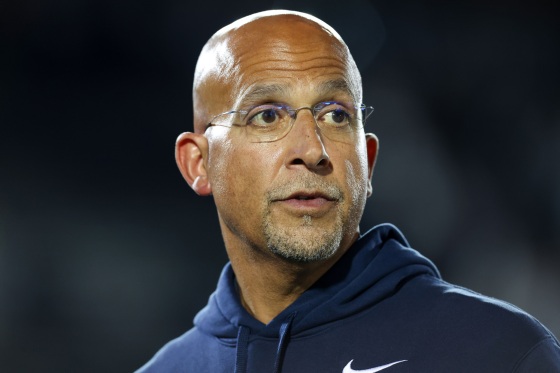
Virginia Tech's hiring of James Franklin represents a significant upgrade in coaching pedigree following the Brent Pry era. Franklin brings 104 wins from his tenures at Vanderbilt and Penn State, along with extensive knowledge of the mid-Atlantic recruiting landscape. His hiring signals Virginia Tech's renewed financial commitment to football, as Franklin wouldn't have accepted the position without assurances of sufficient resources to compete for ACC championships.
Franklin's primary challenge involves restoring Virginia Tech's recruiting dominance within its home state. The program has lost considerable ground to out-of-state powers, and current high school recruits have no memory of Virginia Tech's BCS-era success. Franklin must also transform the program's operational approach, moving beyond the Frank Beamer model that has become outdated in the NIL/transfer portal era. His success at Penn State in recruiting Virginia talent suggests he can reverse this trend.
Strategic Trends in the 2025 Hiring Cycle
The 2025 coaching cycle reveals several strategic patterns as programs adapt to college football's new reality. First, experienced program-builders like Matt Campbell and Kyle Whittingham remain highly valued for their ability to create sustainable success. Second, offensive innovators with quarterback development track records, including Lane Kiffin and Jon Sumrall, command premium attention in an era where elite quarterback play is essential for championship contention.
Third, the cycle demonstrates increased willingness to hire coaches without previous Power 4 head coaching experience, as seen with Oklahoma State's selection of Eric Morris and Auburn's hiring of Alex Golesh. These programs are betting on upward trajectory and modern roster management approaches over established Power 4 resumes. Finally, alignment between head coaches and program leadership has become increasingly important, exemplified by Stanford's pairing of Tavita Pritchard with Andrew Luck's front office direction.
Conclusion: Navigating Unprecedented Transition
The 2025 coaching carousel reflects college football's ongoing transformation, with programs making calculated bets on leadership that can navigate NIL, transfer portal dynamics, and conference realignment. The most successful hires will be those who combine strategic vision with operational excellence in roster management and staff development. As these coaches begin their tenures, their ability to retain key players, assemble effective staffs, and establish cultural foundations will determine which programs emerge strengthened from this period of unprecedented change. The grades assigned today represent initial assessments, but the true evaluation will come as these coaches navigate the complex realities of modern college football leadership.