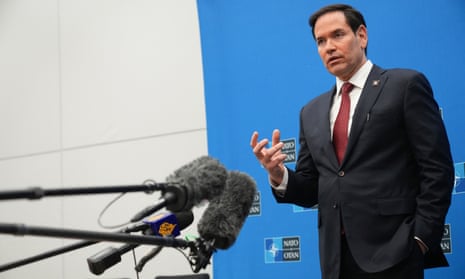
Rubio Meets with Qatari Leaders Following Israeli Strikes on Hamas
U.S. Secretary of State Marco Rubio is traveling to Doha for meetings with Qatari leadership in the aftermath of recent Israeli military operations targeting Hamas officials. This diplomatic mission follows Rubio's appearance alongside Israeli Prime Minister Benjamin Netanyahu in Jerusalem, where both leaders presented a united stance. The meetings come at a critical juncture in Middle East relations as regional powers navigate complex security challenges and diplomatic negotiations.
U.S. Secretary of State Marco Rubio is embarking on a diplomatic mission to Doha to engage with Qatari leadership following significant Israeli military operations against Hamas leadership targets. This development comes after Rubio's recent appearance in Jerusalem alongside Israeli Prime Minister Benjamin Netanyahu, where both officials demonstrated a coordinated approach to regional security matters.

The timing of these diplomatic engagements is particularly significant given the recent escalation in military actions. Israeli forces conducted targeted strikes against Hamas leadership figures last week, marking one of the most substantial operations in recent months. These developments have heightened regional tensions and necessitated high-level diplomatic coordination among key stakeholders.
Diplomatic Context and Strategic Importance
Qatar plays a crucial role in Middle Eastern diplomacy, particularly regarding Hamas and Gaza-related matters. The country has historically served as a mediator in regional conflicts and maintains communication channels with various Palestinian factions. Rubio's visit to Doha represents a strategic effort to coordinate approaches and ensure alignment among key international players.
The United States maintains that Israel has the right to defend itself against terrorist threats while emphasizing the importance of minimizing civilian casualties and pursuing diplomatic solutions. This balanced approach reflects the complex nature of Middle East diplomacy, where security concerns must be addressed alongside humanitarian considerations and long-term political objectives.
Regional Security Implications
The recent Israeli operations and subsequent diplomatic movements occur within a broader regional security context. Various Middle Eastern nations are monitoring these developments closely, as they could influence broader regional dynamics and power balances. The coordination between U.S. and Israeli leadership, followed by engagement with Qatari officials, suggests a comprehensive approach to addressing security challenges while maintaining diplomatic channels.
These diplomatic efforts aim to prevent further escalation while addressing legitimate security concerns. The involvement of multiple regional actors underscores the complexity of Middle East relations and the necessity of multilateral engagement to achieve sustainable solutions to ongoing conflicts and security challenges.