Two Years After Hamas Attacks: A Hostage Family's Journey and Hope for Peace
Two years after Hamas launched its deadly October 7 attacks on Israel, the nation commemorates the tragedy while peace talks offer a glimmer of hope. Avihai Brodutch, whose wife and three children were held hostage for 51 days before their release in November 2023, shares his family's ongoing journey of recovery and his perspective on the current negotiations. As Israelis mourn the loss of 1,200 lives and continue demanding the return of remaining hostages, Brodutch's story highlights the human cost of conflict and the enduring hope for resolution.
Two years after Hamas launched its deadly October 7 attacks on Israel, the nation continues to grapple with the profound aftermath of one of the bloodiest terror attacks in its history. The commemorations taking place across Israel reflect both mourning for lost loved ones and persistent demands for the return of hostages still held in Gaza. Among those who experienced the unimaginable horror firsthand is Avihai Brodutch, whose wife and three young children were kidnapped from their home in Kibbutz Kfar Aza and held hostage for 51 days before being released in November 2023.

The Ongoing Hostage Crisis
The October 7 attacks resulted in approximately 1,200 deaths and the kidnapping of 251 people by Hamas terrorists. According to current estimates, there are believed to be 50 hostages still held in Gaza, with only 20 believed to be alive. The Brodutch family's experience represents both the tragedy of those taken and the miracle of those who returned. Their story, while unique in its details, reflects the broader trauma experienced by Israeli families affected by the attacks.
Life After Captivity
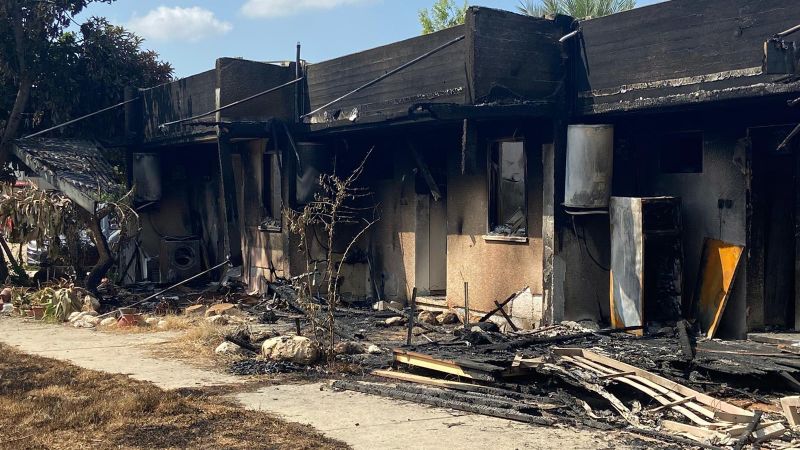
For the Brodutch family, the challenge of rebuilding ordinary life continues two years after their ordeal. They still do not live in their original home, residing instead in temporary housing in another kibbutz. Their house in Kfar Aza requires significant repairs, and the psychological impact makes returning uncertain. As Brodutch noted, "Most of my neighbors were killed on that day, so I'm not too sure if my family would ever want to move back." The process of rehabilitation remains ongoing, complicated by the fact that many of their friends from Kfar Aza also suffered losses during the attacks.
Current Peace Negotiations
As commemorations take place, delegations representing Israel and Hamas are engaged in indirect cease-fire talks in Egypt. The current negotiations center on a new two-part U.S. proposal that calls for a cease-fire, partial Israeli withdrawal from Gaza, and the release of hostages held by Hamas in exchange for up to 2,000 Palestinian prisoners detained by Israel. However, significant differences remain between the two sides, with Hamas demanding a full Israeli withdrawal and Israel insisting on Hamas disarmament.
A Father's Perspective on Resolution
Despite the challenges, Brodutch expresses optimism about the current negotiations. "I think what President Trump has done and what he's doing for Israel, what he's doing for the Middle East, I think we can see the fruits of it right now," he stated. His perspective reflects a desire for resolution that transcends political positions, focusing instead on the human cost of continued conflict. "I think Hamas are tired. I think the Israeli people and the Israeli government is tired of this war. I think we all want this war to be over."
Assessment of Government Response
Brodutch has been critical of the Israeli government's handling of the hostage situation from the beginning. "I think this should have been solved a long time ago," he remarked. "I want to say it should have ended a few days after October 7. I think we should have struck a deal to get the hostages back much sooner." His criticism extends to what he perceives as inadequate protection before the attacks and insufficient efforts to secure hostages' release afterward.
Hope for the Future
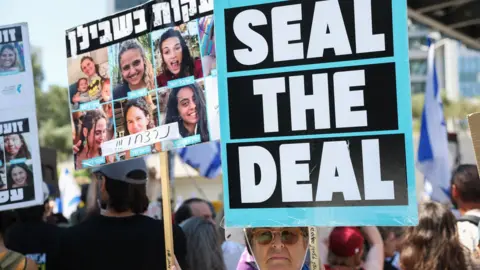
Looking ahead, Brodutch's primary wish is for the families still waiting for their loved ones to experience the reunion his family achieved. "I want the families who are waiting to have the opportunity to sit and speak about their families like I do, sitting behind them, having dinner with them, celebrating the holidays," he expressed. His journey of recovery continues, supported by what he describes as "amazing" support from both the Israeli people and international community.
As Israel marks this solemn anniversary, stories like the Brodutch family's serve as powerful reminders of both the human cost of conflict and the resilience of those affected. While political negotiations continue and differences remain, the personal narratives of those directly impacted provide crucial perspective on what truly matters—the safe return of loved ones and the hope for a peaceful future where families can rebuild their lives without fear.