Martin Ojok Kennedy Lee: Providing Hope for War-Affected Children in South Sudan
In the challenging landscape of South Sudan, Martin Ojok Kennedy Lee operates an orphanage dedicated to children who have lost everything to conflict and poverty. His mission focuses on providing hope and helping young survivors move beyond their traumatic pasts. This article explores his humanitarian work and the impact of providing stable environments for war-affected children in one of the world's most difficult regions.
In the heart of South Sudan, where the scars of conflict run deep and poverty remains pervasive, Martin Ojok Kennedy Lee has established a sanctuary for children who have lost everything. His orphanage represents more than just shelter—it embodies a mission to restore hope and help young survivors leave their traumatic pasts behind. This humanitarian effort addresses one of the most critical needs in post-conflict societies: caring for the most vulnerable victims of war.

The Humanitarian Mission in South Sudan
South Sudan has faced decades of conflict that have devastated communities and left countless children orphaned or separated from their families. Martin Ojok Kennedy Lee's work focuses specifically on these young victims, providing not just basic necessities but also emotional support and educational opportunities. His approach recognizes that true recovery requires addressing both immediate physical needs and long-term psychological healing.
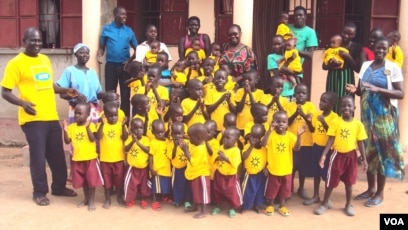
The orphanage operates in an environment where resources are scarce and infrastructure remains fragile. Despite these challenges, Lee has created a space where children can experience stability and care. His mission emphasizes the importance of creating environments where young people can rebuild their lives with dignity and purpose, moving beyond the trauma that has defined their early experiences.
Building Hope Through Stability
The core of Lee's philosophy centers on providing consistent, reliable care that helps children develop trust and security. In regions affected by prolonged conflict, the absence of stable adult figures can compound the trauma experienced by young survivors. By offering a permanent home and consistent caregivers, the orphanage helps address this fundamental need for stability.
Educational programs form another critical component of the rehabilitation process. By ensuring children have access to schooling and skill development, Lee's mission helps prepare them for independent futures. This educational focus represents a long-term investment in both individual children and the broader community, as educated youth become potential leaders in rebuilding efforts.
Challenges and Resilience
Operating an orphanage in South Sudan presents numerous challenges, from logistical difficulties in obtaining supplies to navigating complex social and political dynamics. The work requires not only compassion but also significant resilience and adaptability. Lee's ability to sustain this mission demonstrates a deep commitment to the children he serves.
The environment in South Sudan remains volatile, with ongoing tensions and limited infrastructure supporting humanitarian efforts. Despite these obstacles, the orphanage continues to provide essential services, serving as a testament to what determined individuals can accomplish even in the most difficult circumstances.
Impact and Future Directions
The work of Martin Ojok Kennedy Lee represents a microcosm of the broader humanitarian needs in conflict-affected regions. Each child who finds safety and opportunity at the orphanage represents a potential success story—a life redirected from tragedy toward promise. The impact extends beyond immediate care, contributing to the social fabric of communities working to recover from violence.
As South Sudan continues its difficult journey toward stability, initiatives like Lee's orphanage play a crucial role in laying foundations for future generations. By addressing the needs of the most vulnerable, these efforts help break cycles of trauma and poverty that can otherwise persist across generations.
Martin Ojok Kennedy Lee's quiet dedication serves as an inspiring example of how individual action can make a significant difference in addressing complex humanitarian challenges. His work reminds us that even in the most difficult environments, hope can be cultivated and lives can be transformed through consistent, compassionate care.