Austrian President Commits to Multilateral Cooperation with China
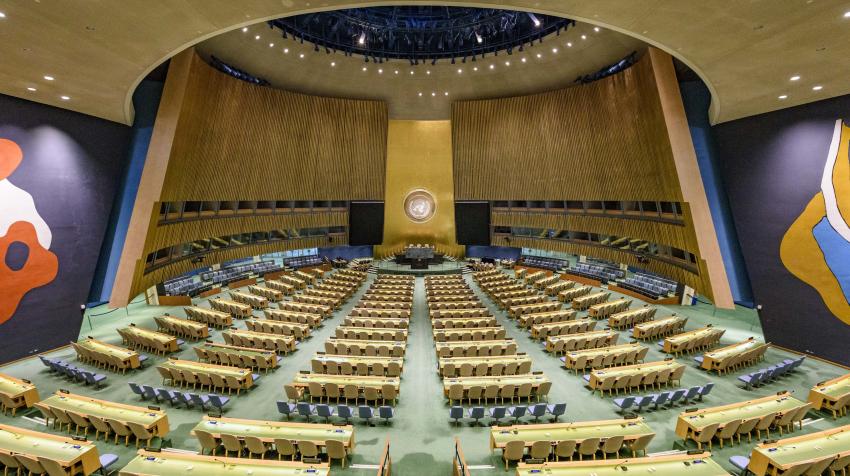
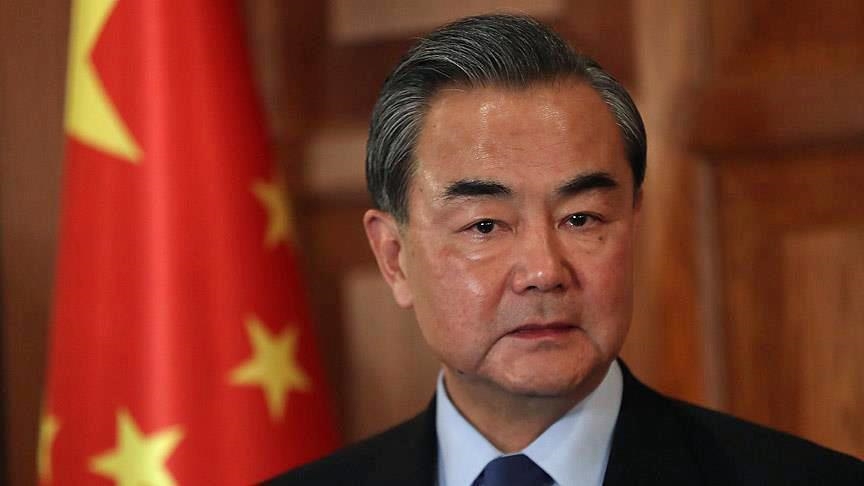
Austrian President Alexander Van der Bellen has expressed Austria's willingness to collaborate with China in safeguarding multilateralism and promoting global peace and development. This commitment was made during a meeting with Chinese Foreign Minister Wang Yi, highlighting Austria's support for international cooperation and shared global objectives. The discussion emphasized the importance of maintaining multilateral frameworks in addressing contemporary global challenges.
Austrian President Alexander Van der Bellen has reaffirmed Austria's commitment to international cooperation, stating on Friday that the nation is prepared to work closely with China to uphold multilateralism and advance global peace and development. This declaration came during a significant meeting with Chinese Foreign Minister Wang Yi, underscoring the growing diplomatic engagement between the two nations.

The meeting between President Van der Bellen and Foreign Minister Wang Yi represents an important step in strengthening bilateral relations between Austria and China. Both leaders emphasized the critical need for maintaining multilateral frameworks in today's complex global landscape. This commitment to multilateralism comes at a time when international cooperation faces numerous challenges, making such diplomatic engagements particularly significant.
Diplomatic Engagement and Bilateral Relations
The discussion between Austrian and Chinese officials focused on shared objectives in promoting international stability and economic development. President Van der Bellen's statement reflects Austria's foreign policy approach that values multilateral institutions and international cooperation. This alignment with China on multilateral principles suggests potential areas for expanded collaboration between the two nations.
Global Implications of Austria-China Cooperation
Austria's commitment to working with China on multilateral issues carries significant implications for international relations. As a European Union member state, Austria's diplomatic positions often reflect broader European perspectives on global governance. This development suggests potential for increased EU-China cooperation on multilateral initiatives, particularly in areas addressing global challenges that require international consensus and coordinated action.
The emphasis on safeguarding multilateralism indicates both nations' recognition of the importance of international institutions and agreements in maintaining global order. This shared commitment could lead to enhanced cooperation in various international forums and organizations where both Austria and China participate actively.
Future Prospects for Bilateral Relations
The meeting between President Van der Bellen and Foreign Minister Wang Yi sets a positive tone for future Austria-China relations. The expressed willingness to collaborate on multilateral issues suggests potential for expanded dialogue and cooperation across various sectors. This development may lead to increased diplomatic exchanges, economic partnerships, and cultural exchanges between the two nations.

As both countries navigate complex global challenges, this commitment to multilateral cooperation provides a foundation for constructive engagement. The emphasis on peace and development aligns with broader international goals, positioning Austria and China as potential partners in addressing global issues through multilateral frameworks and diplomatic channels.