HKSAR Holds Ceremony to Mark Victory Day Commemoration
The Hong Kong Special Administrative Region held an official ceremony to commemorate Victory Day, marking the historical significance of this important date. The event featured government officials, military representatives, and community leaders who gathered to honor the sacrifices made and celebrate the achievements of peace and stability. The ceremony included traditional elements such as flag-raising, moments of silence, and cultural performances that reflect Hong Kong's unique position within China.
The Hong Kong Special Administrative Region (HKSAR) recently conducted an official ceremony to commemorate Victory Day, a significant historical event that holds deep meaning for the region and the nation. This ceremony serves as an important reminder of the sacrifices made and the peace achieved, bringing together government officials, military representatives, and community members in a unified display of respect and remembrance.
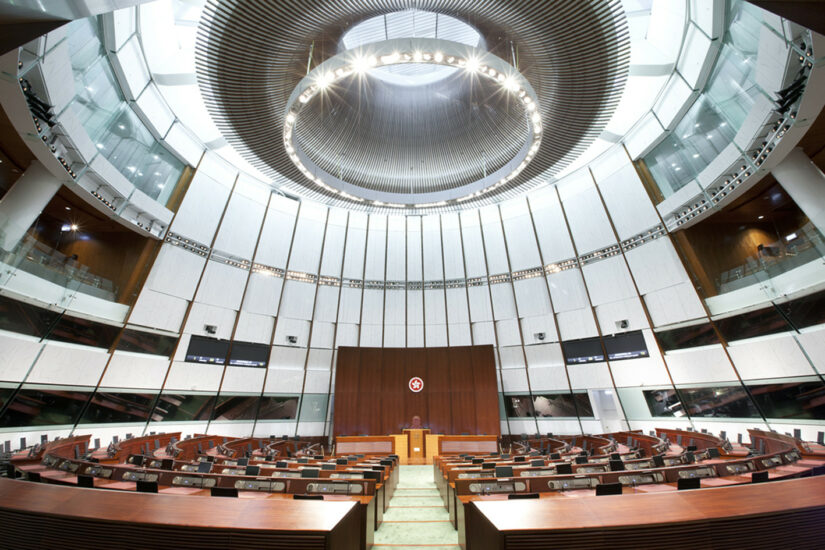
The event featured traditional ceremonial elements including a formal flag-raising ceremony, moments of silent tribute, and cultural performances that highlight Hong Kong's unique cultural heritage within the broader Chinese context. These activities not only honor historical significance but also reinforce the values of peace, stability, and national unity that are fundamental to Hong Kong's development and prosperity.
Ceremonial Significance and Protocol
Victory Day ceremonies in Hong Kong follow established protocols that reflect both local traditions and national commemorative practices. The events typically include the participation of senior government officials, military personnel, and representatives from various community organizations. This multi-faceted participation underscores the collective nature of the commemoration and its importance across different sectors of society.

Historical Context and Contemporary Relevance
The commemoration of Victory Day in Hong Kong connects the region's present with its historical journey, particularly emphasizing the transition and development since the handover. These ceremonies serve as educational opportunities for younger generations to understand the significance of historical events and their impact on current social and political stability. The events also demonstrate Hong Kong's role within the broader national framework while maintaining its unique characteristics and contributions.
As reported by CGTN, these ceremonies represent an important aspect of Hong Kong's cultural and political calendar, reinforcing the values of peace, remembrance, and national unity that are essential for the region's continued stability and prosperity.