Supershear Earthquakes: California's Hidden Seismic Threat
USC researchers warn that supershear earthquakes—ruptures moving faster than seismic waves—pose a significant threat to California. These explosive events could cause catastrophic shaking across wider regions than typical quakes, with current building standards failing to account for their directional force. Scientists call for urgent improvements in monitoring and construction codes to prepare for inevitable magnitude 7+ earthquakes.
California faces a hidden seismic danger that could dramatically amplify the destruction from future earthquakes. According to researchers from the Statewide California Earthquake Center at USC Dornsife, supershear earthquakes—ruptures that move faster than seismic waves—represent an underappreciated threat to the state's infrastructure and population centers.

What Are Supershear Earthquakes?
Supershear earthquakes function similarly to sonic booms in the atmosphere. When a jet aircraft surpasses the speed of sound, it creates a powerful shock wave. Likewise, when an earthquake rupture travels faster than seismic shear waves through rock, it generates intense ground shock fronts that deliver significantly more destructive energy than conventional earthquakes.
Professor Ahmed Elbanna, director-designate of SCEC, explains that this phenomenon "breaks the shear wave speed barrier in the rocks and produces destructive waves that are stronger than what's generated by a normal earthquake." The result is shaking that travels farther from the epicenter and strikes with double intensity—an initial sharp blow from the shock front followed by trailing seismic waves.
California's Vulnerability
While California isn't more likely to experience supershear earthquakes than other regions with large fault systems, the state's particular combination of dense urban development and numerous strike-slip faults creates significant risk. Globally, approximately one in three major strike-slip earthquakes are supershear events, and California hosts many faults capable of producing magnitude 7 or higher earthquakes near major population centers.
Professor Yehuda Ben-Zion, director of SCEC, emphasizes that "the frequency of these supershear ruptures has been greatly underappreciated" in California's seismic planning. He notes that while exact timing and locations cannot be predicted, "we can say with certainty that over the next few decades, we will have multiple magnitude 7 earthquakes in California."
Building Code Deficiencies
Current construction standards present a critical vulnerability. Building codes and infrastructure design typically account for the strongest shaking occurring perpendicular to faults, but supershear earthquakes direct their energy along the fault line itself. This directional difference means that many structures may be inadequately prepared for the unique forces generated by supershear events.
Ben-Zion warns that "critical structures should be built to this higher standard, and so far, they are not." The mismatch between design assumptions and actual supershear behavior could lead to unexpectedly severe damage during future earthquakes.
Urgent Preparedness Measures
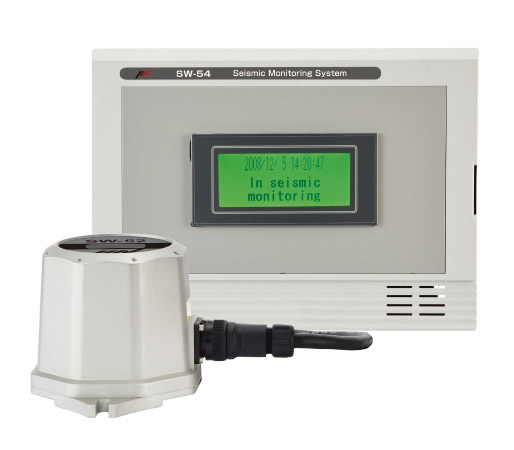
Researchers are calling for comprehensive action to address this threat. Key recommendations include denser seismic monitoring near major faults, advanced computer simulations of supershear scenarios, and updated building codes that account for the directional energy patterns of these fast-moving ruptures.
Elbanna stresses that addressing this challenge requires collaborative effort: "This is a collaborative effort where everybody has to chip in. And I think here at USC and SCEC, with their reputation in the community, this is the right time and right place to get this effort started."
The scientific consensus is clear: supershear earthquakes represent a real and present danger to California. As research from USC Dornsife demonstrates, proactive measures in monitoring, simulation, and construction standards are essential to mitigate the potentially catastrophic impacts of these fast-moving seismic events.