Laboratory Breakthrough Demonstrates How Water Forms on Rocky Exoplanets
A groundbreaking laboratory experiment has successfully demonstrated a key mechanism for water formation on rocky exoplanets. Published in Nature, the research reveals how extreme pressures and temperatures during planetary formation can generate vast quantities of water from seemingly dry materials. This discovery fundamentally changes our understanding of how potentially habitable worlds acquire their water, suggesting that water may be a common byproduct of planet formation itself rather than requiring later delivery from comets or asteroids. The findings have significant implications for identifying exoplanets capable of supporting life.
The search for habitable worlds beyond our solar system has taken a significant leap forward with a groundbreaking laboratory demonstration of how water can form on rocky exoplanets. Published in the journal Nature, new experimental research reveals that extreme conditions during planetary formation can generate substantial water from materials previously considered dry. This discovery fundamentally alters our understanding of how potentially life-supporting planets acquire their most essential resource.
The Experimental Breakthrough
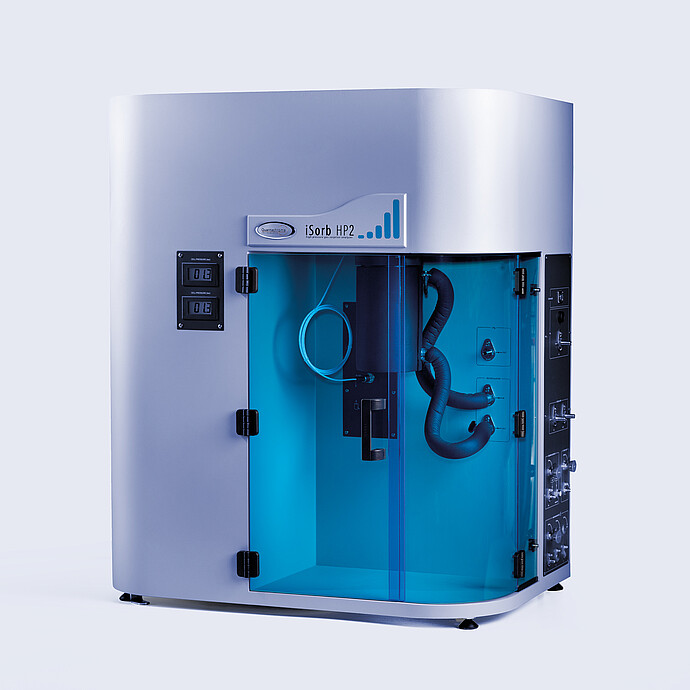
Researchers conducted controlled laboratory experiments that simulated the extreme pressure and temperature conditions present during the formation of rocky planets. By subjecting mineral mixtures similar to those found in protoplanetary disks to these conditions, they observed the generation of significant amounts of water. This process occurs through chemical reactions that release hydrogen and oxygen from minerals, which then combine to form water molecules. The experiments, detailed in the Nature article "Experiments reveal extreme water generation during planet formation," demonstrate that water production can be an intrinsic part of planetary accretion rather than requiring external delivery mechanisms.
Implications for Exoplanet Habitability
This discovery has profound implications for assessing the potential habitability of exoplanets. If water formation is a natural byproduct of rocky planet formation under certain conditions, then water-rich worlds may be more common in the universe than previously estimated. This challenges the traditional view that water must be delivered to planets after their formation through impacts from icy bodies like comets or asteroids. The research suggests that many rocky exoplanets could form with their own internal water reservoirs, potentially creating oceans and atmospheres conducive to life from their earliest stages.

Scientific Significance and Future Research
The laboratory demonstration provides crucial experimental validation for theoretical models of planetary formation and water delivery. As noted in the Nature summary, this research offers new insights into the processes that determine a planet's initial volatile inventory. Future studies will need to examine how this internally generated water interacts with other planetary formation processes and whether it can be retained on the planet's surface to create stable oceans. This work also informs the search strategies for potentially habitable exoplanets, suggesting that certain planetary systems may be more promising targets for water detection and life-seeking missions.
The successful laboratory demonstration of water formation during planetary accretion represents a significant advancement in planetary science. By showing that water can be generated from the very materials that form rocky planets, this research expands our understanding of how habitable environments might arise throughout the galaxy. As we continue to discover and characterize exoplanets, these findings will help guide our search for worlds capable of supporting life and deepen our understanding of planetary formation processes across the universe.