Read on bbc.co.uk
Strait of Hormuz Traffic Surges Following US-Iran Deal
Since the US and Iran signed a deal aimed at ending the war, traffic through the strategic Strait of Hormuz has increased significantly. An analysis of maritime data shows at least 172 vessels have crossed the waterway since June 18, including 42 ships on a single day. While this marks a recovery from conflict lows, transit numbers remain below pre-conflict averages, highlighting the fragile nature of the agreement. The deal has also led to a drop in global oil prices and the easing of decades-old US sanctions on Iranian crude sales. However, challenges persist including Iranian permitting requirements, conflicting statements from officials, and the presence of sea mines in key shipping lanes. This article examines the current state of maritime traffic through the Strait of Hormuz and the implications of the recent political accord.
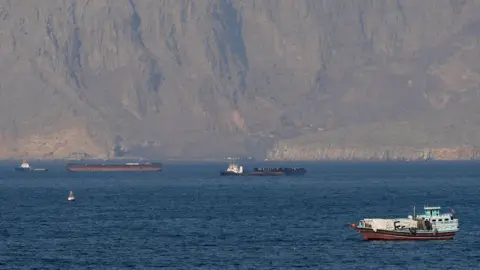
The Strait of Hormuz, a narrow but vital maritime chokepoint connecting the Persian Gulf with the Gulf of Oman, has witnessed a notable uptick in vessel traffic following a landmark deal between the United States and Iran aimed at ending the war. Data from maritime intelligence firm Kpler reveals that at least 172 ships have made the transit since June 18, the day after the agreement was signed, with 42 vessels crossing on a single Saturday alone. While this represents a significant increase from the near-total halt in traffic during the height of the conflict, the numbers still fall well short of the pre-war daily average of approximately 138 crossings, indicating a cautious return to normalcy.
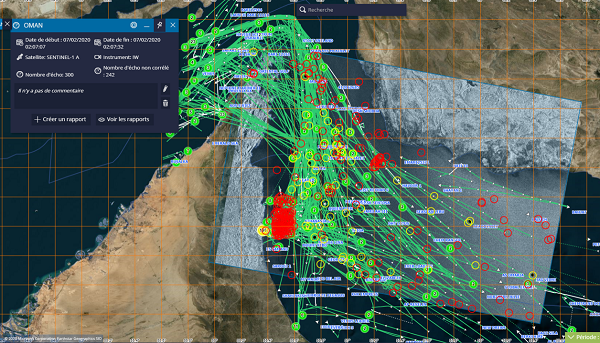
Ship-tracking data compiled by BBC Verify shows over 200 tankers appeared to be waiting inside the strait on a recent Tuesday, with at least 10 ships moving westward into the Gulf. Many of these tankers are linked to Iran, taking advantage of the lifting of the US naval blockade as a key component of the deal. According to Jemima Shelley, a senior research analyst at United Against Nuclear Iran, at least 30 tankers have departed from the Gulf laden with Iranian oil and petrochemicals since the agreement was signed. The economic impact has been immediate and global; the price of a barrel of Brent crude oil has dropped to its lowest level since the war began, reflecting the market's optimistic view of restored supply flows.
The US Treasury has further facilitated this trade by issuing a license that allows the sale of Iranian crude oil, petrochemicals, and other oil products until August 21, effectively easing decades-old sanctions. On a recent Monday, at least five tankers previously sanctioned by the US for their links to Iran moved through the strait, carrying up to four million barrels of oil. However, analysts point to a broader revival of "normal" trade as well. Martin Kelly of crisis management firm EOS Risk Group noted an increase in general commercial shipping, including four liquefied natural gas tankers seen heading to Qatar's Ras Laffan port and multiple cargo vessels departing the Gulf.
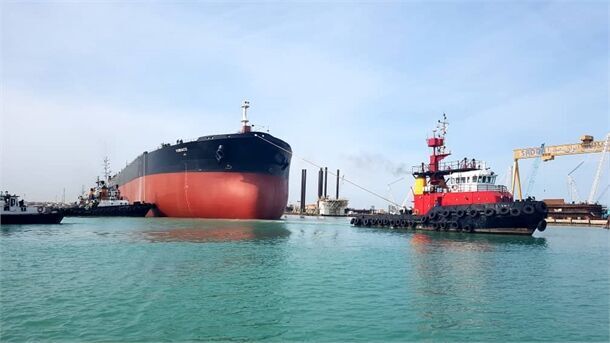
A significant detail from the ship-tracking data is the route taken by these vessels. All transits have been made along the Iranian-approved northern route through Iranian waters, rather than the US-recommended southern route closer to the coast of Oman. This underscores Iran's renewed assertion of control over the waterway. The deal itself commits Iran to using its "best efforts for the safe passage of commercial vessels with no charge for 60 days" and to collaborate with Oman on future administration and maritime services. Subsequently, Iran's Persian Gulf Strait Authority (PGSA) issued terms requiring all vessels to obtain a valid passage permit, a move that has created new uncertainties for ship owners.
Despite the apparent progress, significant challenges remain. The PGSA has been sanctioned by the US, and Kelly suggests this may deter some ship owners from requesting Iranian permits, fearing legal repercussions. Adding to the confusion, Iranian officials have sent mixed signals. The Islamic Revolutionary Guard Corps (IRGC) announced on one Saturday that the strait was closed in response to Israeli strikes on Lebanon, yet traffic continued to flow. Later, Tehran's ambassador to the UN in Geneva reportedly stated the strait was open, while a military source indicated the number of daily transits would be capped.
Perhaps the most tangible risk facing mariners is the presence of sea mines in the internationally recognized shipping lanes that were heavily used before the conflict. The Joint Maritime Information Center (JMIC), a multinational group including the US, has warned ships to avoid the central part of the strait "due to the existence of mines." The JMIC has issued coordinates for two mines and stated that "active mine clearance operations are ongoing." As a result, it recommends vessels take a narrower southern route, closer to the Omani coast, which has been confirmed clear of mines. This persistent danger, combined with the complex political landscape and economic sanctions, suggests that while the Strait of Hormuz is open and traffic is increasing, a full return to pre-war norms will be a gradual and cautious process.

In conclusion, the US-Iran deal has successfully reopened the Strait of Hormuz to a steady flow of commercial and oil tanker traffic, providing a much-needed boost to global energy markets and regional trade. The increase in transit numbers, the departure of Iranian oil tankers, and the sharp drop in oil prices all demonstrate the agreement's initial success in easing one of the world's most critical geopolitical flashpoints. However, the recovery is fragile, restrained by the threat of sea mines, the complexities of new Iranian permitting rules, and the lingering effects of US sanctions. The coming weeks will be crucial to determine if this fragile stability can be maintained and whether the historic waterway can return to its role as a reliable artery for global commerce.