Read on France 24
Oman Announces Temporary Maritime Corridor Through Strait of Hormuz Amid Iran Conflict
Oman, in coordination with the International Maritime Organization, has established a temporary maritime corridor to facilitate the safe passage of vessels through the Strait of Hormuz. This development comes amid the ongoing conflict between the United States and Iran, which has severely disrupted global shipping and energy markets. The corridor is a critical step toward restoring normal flows of oil and goods through one of the world's most strategic waterways. As tankers begin to exit the strait and oil prices stabilize, the move signals a potential de-escalation of hostilities, though regional tensions remain high. This article explores the implications of Oman's initiative, the broader geopolitical context, and the recovery of maritime trade in the Gulf.
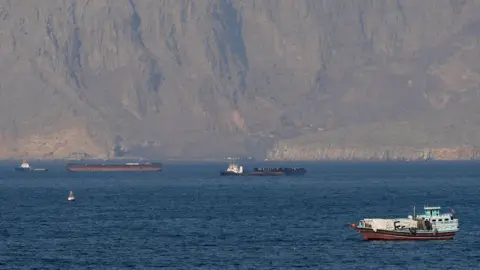
The strategic Strait of Hormuz, a vital artery for global oil shipments, has been at the center of disruptions caused by the ongoing conflict between the United States and Iran. In a significant diplomatic move, Oman announced on Tuesday that it has coordinated with the International Maritime Organization (IMO) to establish a temporary maritime corridor specifically designed to facilitate the safe passage of vessels seeking to transit this critical waterway. This initiative comes at a time when the war has stranded hundreds of ships and thousands of sailors, marking a pivotal step toward restoring normalcy in maritime trade and energy markets.
Background of the Maritime Crisis
The US-Iran conflict, which escalated in late February, has had a profound impact on maritime operations in the Persian Gulf. The IMO's secretary-general, Arsenio Dominguez, confirmed that approximately 600 ships have been stranded, leaving more than 11,000 sailors in urgent need of evacuation. The situation has created a bottleneck for oil tankers and cargo vessels, with an estimated 20 million barrels of oil exiting the strait in just the last 24 hours, as per US Energy Secretary Chris Wright. This disruption has sent shockwaves through global energy markets, prompting concerns over supply and pricing.
Details of the Temporary Maritime Corridor
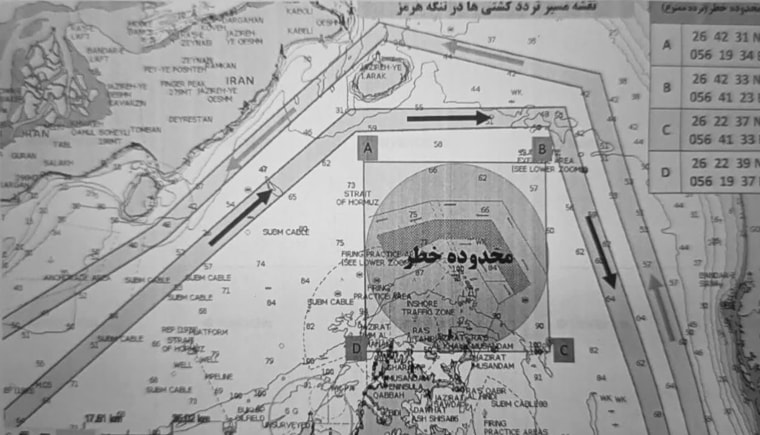
Oman's announcement represents a proactive effort to alleviate the humanitarian and economic crisis. The temporary corridor will be managed in close coordination with the IMO and is expected to provide a structured pathway for vessels to navigate the strait safely. While specific operational details are still being finalized, the corridor is seen as a critical interim measure to allow the evacuation of stranded tankers and the resumption of normal shipping flows. This initiative follows reports that three stranded tankers carrying 5 million barrels of crude were already beginning to exit the strait.

Diplomatic and Geopolitical Implications
The establishment of this corridor is closely tied to ongoing diplomatic efforts to de-escalate the broader conflict. US Secretary of State Marco Rubio, during his tour of Gulf countries, noted that technical talks between the United States and Iran are expected to resume on June 29 or 30 in Switzerland. President Donald Trump has also indicated that Iran is making significant concessions, describing the situation as a victory for the US. However, regional tensions persist, with Israel maintaining its stance on southern Lebanon and Hezbollah accusing Israel of ceasefire violations.
Furthermore, the issue of shipping fees in the Strait of Hormuz has been a contentious point. Iran had previously discussed the possibility of implementing charges for vessels transiting the strait, a proposal that has been met with widespread opposition. Rubio stated that "no country" supports imposing tolls or fees for the use of the strait, signaling a unified front against such measures.
Impact on Oil and Energy Markets
The reopening of the strait has already begun to stabilize oil prices. Brent crude oil futures have shifted, with contracts for September delivery now trading higher than those for August, indicating an expected increase in near-term supply. This shift, known as a contango market structure, typically suggests that the market is pricing in ample prompt supply but fewer barrels in the coming months. American airline stocks have also benefited, rising 3 to 7 percent as crude prices retreated to their lowest levels since before the war began.
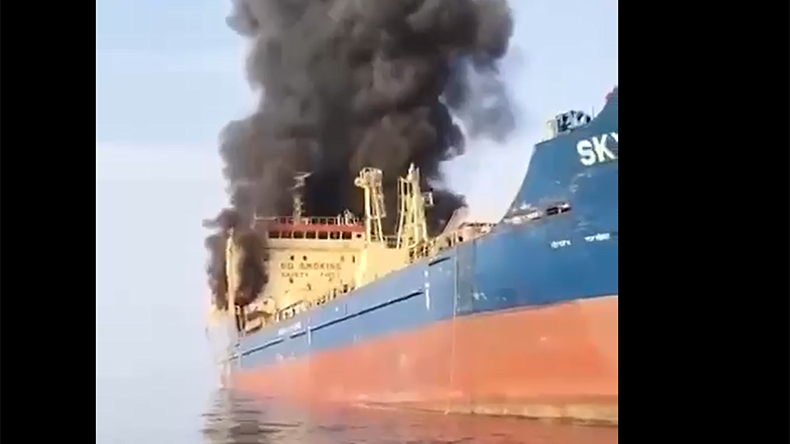
Global natural gas demand is also expected to rebound in the third quarter as the conflict winds down, according to the Gas Exporting Countries Forum. This recovery is crucial for energy markets worldwide, particularly for importers in Asia and Europe.
Humanitarian and Operational Challenges
Beyond the economic impact, the crisis has created a severe humanitarian situation for the thousands of sailors stranded in the Gulf. The IMO's Dominguez has emphasized that the evacuation of these personnel will take "a few weeks" to complete. The temporary corridor will play a vital role in facilitating this process, allowing for the safe movement of both crew and vessels. However, operational hurdles remain, including the need to ensure the safety of ships that have been stationary for months and the coordination with multiple navies and coast guards in the region.
Looking Ahead
While the announcement of a temporary maritime corridor is a positive development, it is only one piece of a larger puzzle. The successful implementation of the corridor will depend on the cooperation of all parties involved, including Iran, which has not officially endorsed the initiative. The broader political negotiations, particularly the US-Iran technical talks in Switzerland, will be crucial in determining the long-term stability of the region and the uninterrupted flow of maritime traffic through the Strait of Hormuz. For now, the global community watches closely as this strategic waterway begins to reopen, offering a glimmer of hope for a region wearied by conflict.