Iran and the US Clash Over Nuclear Inspections and Hormuz as Negotiators Push for Final Deal
Iran and the United States are at odds over key issues as negotiators work towards a final agreement within a 60-day window. Tehran denies agreeing to nuclear inspections, while Washington insists on keeping the Strait of Hormuz open and free of tolls. Conflicting statements and political hurdles in both countries underscore the challenges of reaching a comprehensive deal before the end of President Donald Trump's term.
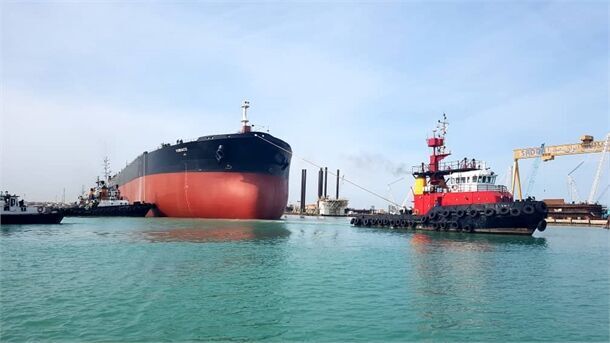
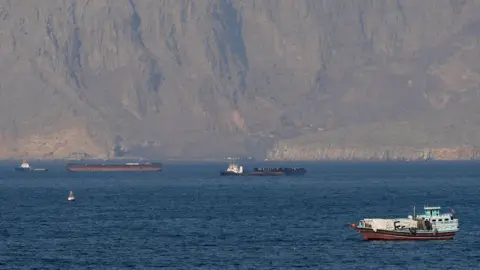
Iran and the United States have offered conflicting accounts of key issues as negotiators work towards a final agreement within a 60-day window. Differences remain over nuclear oversight and the implementation of any deal, underscoring the challenges facing both sides. US Secretary of State Marco Rubio said Iran would not be allowed to charge tolls in the Strait of Hormuz under a final agreement, stressing that the strategic waterway must remain open to international shipping.
Meanwhile, Iran rejected US claims that it had agreed to allow nuclear inspectors back into the country after President Donald Trump said Tehran had accepted the 'highest level' of monitoring. The conflicting statements highlight the gaps that negotiators are still trying to bridge.
Iran Rejects Nuclear Inspection Claims
Iranian Foreign Ministry spokesperson Esmaeil Baghaei has denied reports of a meeting with International Atomic Energy Agency (IAEA) chief Rafael Grossi and said there are currently no plans for visits or inspections by the UN nuclear watchdog. Baghaei said Iran's dealings with the IAEA would be governed by existing procedures, its safeguards obligations, parliamentary legislation and decisions by the Supreme National Security Council. Iran suspended cooperation with the IAEA after US and Israeli strikes on its nuclear facilities in June 2025, and while diplomacy continues under a 60-day framework, Tehran says it has not granted permission for inspectors to return.
War Diplomacy and the 60-Day Timeline
Charles Kupchan, a senior fellow at the Council on Foreign Relations, told Al Jazeera there is 'no way' Washington and Tehran can complete a final agreement within the 60-day timeframe repeatedly cited by President Donald Trump. 'I think we're talking about at least into the next calendar year,' he said, adding that he would not be surprised if both sides simply 'run out the clock' by continuing negotiations and keeping the Strait of Hormuz open without reaching a final deal before the end of Trump's presidency.
Rebuilding in Qatar
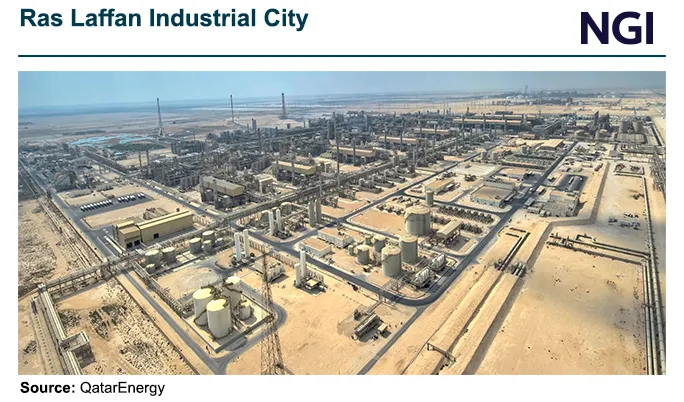
Prime Minister Sheikh Mohammed bin Abdulrahman bin Jassim Al Thani told the Financial Times that Qatar is preparing to restore normal liquefied natural gas (LNG) production after the interim US-Iran deal. Qatar, the world's second-largest LNG producer, halted output in March following an Iranian drone attack on the Ras Laffan facility. Sheikh Mohammed said most production could resume within weeks, except at the damaged site, adding that QatarEnergy would only lift its force majeure declaration once it is satisfied that all safety and operational concerns have been addressed.
Gulf Tour and Regional Security
US Secretary of State Marco Rubio is visiting the United Arab Emirates, Kuwait and Bahrain, three Gulf countries seen as having been among the most affected by the war with Iran. Rubio, who also serves as Trump's national security adviser, is expected to reassure regional allies that US security commitments remain intact. He will also address the Gulf Cooperation Council in Bahrain, where he is 'really trying to sell the deal', according to Al Jazeera's Alan Fisher, amid concerns over Washington's response to Iranian attacks.
US Senate Curbs War Powers
The US Senate voted 50-48 to pass a measure requiring congressional approval for further US military action against Iran, marking the first time a war powers resolution on the conflict has cleared both chambers of Congress. Four Republicans joined nearly all Democrats in backing the measure, while Pennsylvania Democrat John Fetterman voted against it. The resolution is expected to face a veto from President Trump.
Israel's Concerns and Potential Independent Action
Israeli National Security Minister Itamar Ben-Gvir said the US would be 'very naive' if it believed Iran would abandon its nuclear programme, and hinted that Israel may act independently against Tehran. 'It is Israel's responsibility to confront this Iranian threat and act against it alone,' he told Israel's Channel 7, adding that 'no circumstances' could force Israel to act 'according to the dictates of a friend, even if that friend is truly great'. His remarks come amid reported tensions between Washington and Tel Aviv over Israel's attacks on Lebanon and ongoing US-Iran negotiations. Last week, US Vice President JD Vance publicly criticised Israeli cabinet ministers for 'attacking' Washington, calling the US Israel's 'only powerful ally' left in the world.
Lebanon Ceasefire Holds Amid Incidents

The United Nations said the ceasefire in southern Lebanon appears to be 'largely holding', although peacekeepers continue to observe Israeli military ground and air activity. UN spokesperson Stephane Dujarric said UNIFIL troops witnessed 'heavy' machine-gun fire and three tank rounds fired by Israeli forces near Biyyada on Monday, while drones were also seen 'apparently to monitor UNIFIL peacekeepers'. The UN urged all sides to 'adhere fully to the ceasefire and refrain from any escalation, particularly during this delicate period of ongoing negotiations'.