Read on France 24
Albania's 'Flamingo Revolution': From Resort Protests to Demands for National Reform
What began as localized anger over a luxury resort development linked to former U.S. President Donald Trump has evolved into a nationwide movement in Albania. Thousands of protesters are now demanding the resignation of Prime Minister Edi Rama and sweeping government reforms to combat endemic corruption. The ongoing protests are described as the largest in the country since the fall of communism in 1991, highlighting deep-seated public frustration with systemic issues. This article examines the origins of the protests, their escalation, and the broader calls for change.
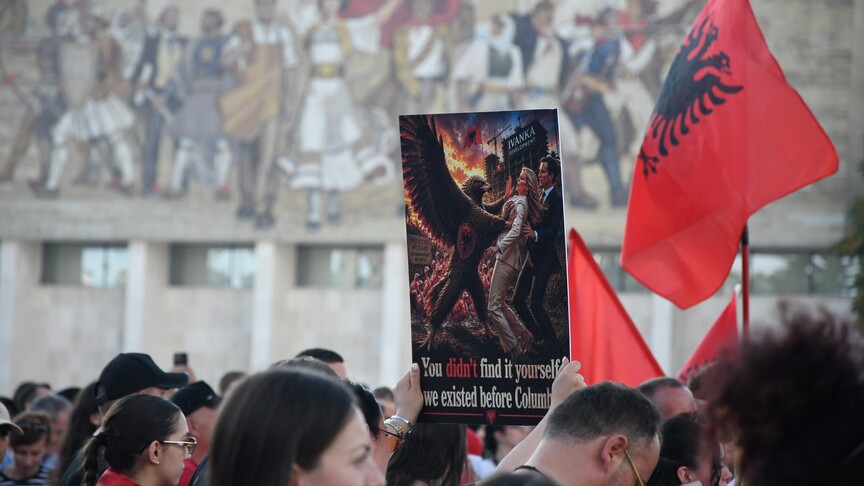
In a remarkable display of civic unrest, protests that began over a luxury resort project linked to former U.S. President Donald Trump have snowballed into the largest demonstrations in Albania since the end of communist rule in 1991. The movement, dubbed the "Flamingo Revolution" by some local media, has expanded its demands far beyond the initial development, now calling for the resignation of Prime Minister Edi Rama and comprehensive government reforms to address what is perceived as systemic corruption within the country. This surge of public anger underscores a profound frustration with the political establishment and a desire for a more transparent and accountable government.

The Flashpoint: A Trump-Linked Resort
The immediate trigger for the protests was the announcement and commencement of construction on the Zig Zag Mountain Resort, a luxury tourism project on Albania's pristine Ionian coast. The development, which had ties to the Trump family through business connections with Jared Kushner and Ivanka Trump, was seen by many Albanians as a symbol of opaque and corrupt dealings between the government and foreign investors. Critics argued that the project was fast-tracked through regulatory hurdles and granted special permits without proper environmental or public scrutiny, fueling perceptions that the ruling elite were enriching themselves and their associates at the expense of the public good.
Escalation to National Reform Demands
What started as a localized environmental and anti-corruption protest quickly metastasized into a broader political movement. Citizens from across the political spectrum, along with civil society groups and student organizations, coalesced around a common set of grievances. The protest's leadership, initially focused on halting the resort, soon articulated a more ambitious agenda. The central demands now include the immediate resignation of Prime Minister Edi Rama and the dissolution of parliament, paving the way for early elections and a comprehensive reform of the judiciary and anti-corruption agencies. The protesters argue that the country's institutions have been captured by vested interests and are incapable of delivering justice without a fundamental overhaul.
Historical Context and Public Sentiment
The scale and intensity of these protests are without modern precedent in Albania. For decades since the fall of communism, the country has grappled with high levels of public distrust in political institutions and persistent corruption. The protests tap into a deep well of frustration over stagnant economic opportunities, emigration, and a perceived lack of rule of law. Many citizens feel that the political class has prioritized personal enrichment over national development, and the luxury resort project became the perfect catalyst for this long-simmering anger. The movement's momentum suggests a growing intolerance for tolerating corruption and a demand for a more meritocratic and transparent political system.
Government Response and Uncertain Path Forward
The Albanian government has largely responded with a combination of dismissal and limited concessions. Prime Minister Rama has characterized the protesters as a minority using the resort issue as a pretext for political destabilization. While authorities have allowed the demonstrations to continue largely peacefully, there have been isolated reports of clashes with police. The government has offered to review the resort's permits but has firmly rejected calls for the prime minister's resignation. The standoff leaves Albania at a crucial juncture, with no clear resolution in sight. International observers and partners are watching closely, as the outcome of this protest movement could have significant implications for the country's democratic trajectory and its ongoing European Union integration process.

Conclusion: A National Reckoning
The "Flamingo Revolution" represents a pivotal moment for Albania. What began as a dispute over a coastal development has evolved into a nationwide call for a fundamental reset of the country's political system. The protests reflect a deep-seated desire for accountability, transparency, and an end to corrupt practices that have hampered the nation's progress. As the demonstrations continue, the government faces immense pressure to address the core demands or risk further escalation. The path forward will test the resilience of Albania's democratic institutions and determine whether this wave of public anger can be channeled into meaningful and lasting political reform. The world is watching to see if this movement will bring about the change its participants so fervently seek.