Uniqlo and Central Saint Martins: Upcycling Returns into Fashion Forwardness
Japanese retail giant Uniqlo has partnered with BA Fashion graduates from London's Central Saint Martins to launch the Everyday Re.Imagined collection. This 10-piece upcycled line, unveiled at an event in London, transforms returned or unsold Uniqlo items into new, limited-edition garments. The collaboration highlights a growing trend in the fashion industry towards circularity and sustainability, offering a creative solution to the problem of retail waste while providing a platform for emerging design talent. The collection demonstrates how major brands can leverage innovative partnerships to reduce their environmental footprint and engage with a new generation of consumers who value both style and sustainability.
In a significant move blending high fashion with high-street practicality, Uniqlo has unveiled its new 'Everyday Re.Imagined' collection. Launched at a London event, this 10-piece line represents a unique collaboration between the Japanese retail behemoth and BA Fashion graduates from the prestigious Central Saint Martins (CSM). The core concept is innovative yet simple: take returned or unsold Uniqlo items and upcycle them into exclusive, contemporary garments. This initiative marks a compelling intersection of corporate sustainability, emerging design talent, and the growing consumer demand for circular fashion.
The Power of Partnership: Uniqlo and Central Saint Martins
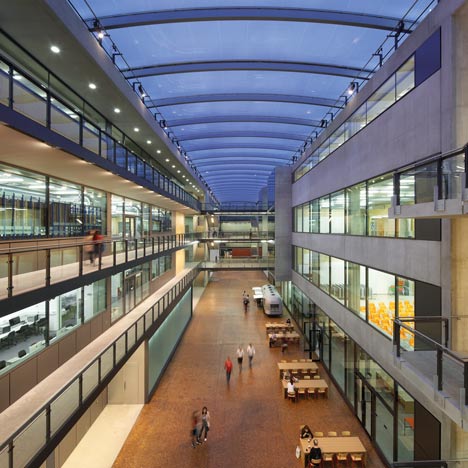
The collaboration between Uniqlo and Central Saint Martins is not just a one-off marketing campaign; it is a strategic partnership that leverages the strengths of both institutions. Uniqlo brings its expertise in fabric technology, mass production, and a global supply chain, while CSM contributes raw creative talent and a forward-thinking approach to design. By working directly with BA Fashion graduates, Uniqlo is tapping into fresh perspectives on how to deconstruct and re-imagine its classic wardrobe staples.
Nurturing Emerging Talent
This project offers invaluable real-world experience for young designers. Instead of working in an academic vacuum, the CSM graduates were tasked with a tangible challenge: transforming existing Uniqlo products into new, desirable pieces. This process involved problem-solving related to garment construction, material constraints, and market appeal. For the graduates, it is a direct and prestigious entry point into the commercial fashion world, providing a significant portfolio piece and professional exposure under the spotlight of a global brand.
The 'Everyday Re.Imagined' Collection: From Returns to Runway
The 'Everyday Re.Imagined' collection is a focused 10-piece capsule, suggesting a curated approach rather than an overwhelming expansion. The use of 'returned' items is particularly noteworthy. In the fast-paced world of e-commerce, returned goods represent a massive waste stream. Often, these items are perfectly functional but cannot be resold as new. By positioning these returns as raw material for creativity, Uniqlo is directly addressing a critical logistical and environmental problem. This transforms a potential liability—the cost and waste of processing returns—into a unique selling point and a symbol of brand values.
A Model for Circularity
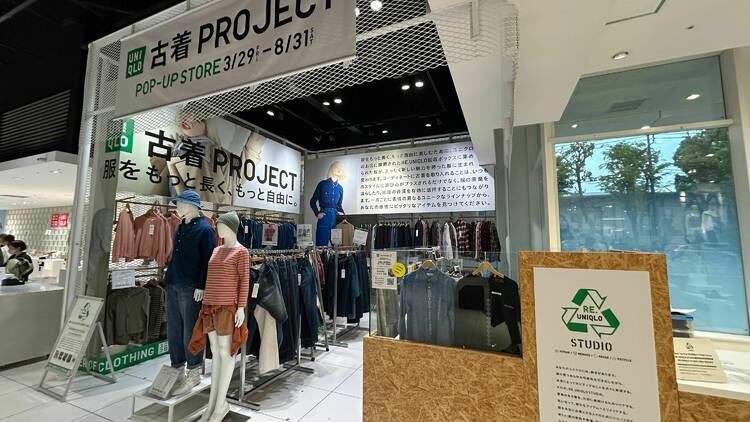
This initiative is a textbook example of a circular fashion model. Instead of the traditional 'take-make-dispose' linear system, Uniqlo is extending the lifecycle of its products. The upcycling process gives returned items a second life, preventing them from ending up in a landfill. This resonates strongly with a growing segment of consumers who are increasingly conscious of the environmental impact of their clothing choices. The 'Everyday Re.Imagined' collection provides a tangible, purchasable way for customers to participate in sustainability without sacrificing their connection to a trusted brand.
Implications for the Fashion Industry
Uniqlo's move is more than just a successful publicity stunt; it signals a potential shift for the entire retail sector. It demonstrates that sustainability and commercial viability can coexist. By creating a limited-edition collection with a compelling story, Uniqlo generates excitement and brand loyalty. It positions the company as an innovator and a responsible corporate citizen, which is increasingly important for attracting and retaining customers, particularly among younger demographics. Other fast-fashion and retail giants will likely watch this experiment closely, potentially inspiring similar initiatives across the industry.
Ultimately, the Uniqlo and Central Saint Martins collaboration is a thoughtful case study in how to approach the future of fashion. It proves that with creative partnerships and a willingness to rethink standard processes, the industry can take meaningful steps towards reducing waste and fostering the next generation of talent. The 'Everyday Re.Imagined' collection is a small but potent symbol of a more circular and creative fashion ecosystem.