Read on bbc.co.uk
US Congress Passes War Powers Resolution Against Trump's Iran Policy
In a historic move, the Republican-controlled US Senate has approved a war powers resolution demanding President Donald Trump halt military action in Iran or seek congressional approval. While largely symbolic, the 50-48 vote marks a significant political rebuke of Trump by members of his own party. The resolution, which passed the House earlier this month, is the first time both chambers have approved such a measure since the War Powers Act of 1973. It highlights growing unease among lawmakers over the ongoing conflict with Iran, which recently saw a ceasefire but remains unresolved. Experts view the vote as politically impactful but unlikely to change military policy.
In a significant political move on Tuesday, the Republican-controlled US Senate passed a war powers resolution demanding that President Donald Trump halt military action in Iran or seek congressional approval for continued operations. The 50-48 vote, which saw a handful of Republicans cross party lines to join Democrats, represents a rare public rebuke of Trump by lawmakers who have largely supported his administration's agenda since his return to office.
This concurrent resolution, while symbolic in nature, carries considerable political weight. It signals a rare moment of bipartisan unity against the president's handling of the conflict with Iran, which has now entered its fifth month. The same measure was passed by the US House of Representatives earlier this month, meaning both chambers of Congress have now formally expressed their will for the president to end hostilities.
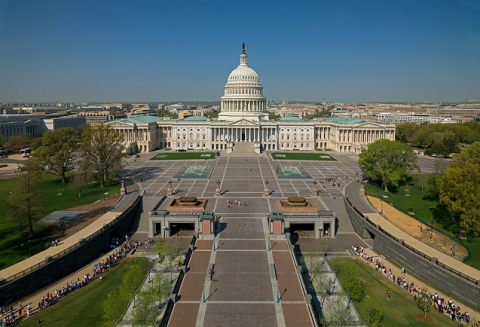
The resolution marks the first time that both the Senate and the House have approved a concurrent resolution instructing a president to halt a military action since the War Powers Resolution of 1973 was enacted. However, unlike a joint resolution, a concurrent resolution does not require the president's signature and has no legal binding force. It serves as an expression of the sentiment or will of Congress.
Political Implications of the Vote
While the resolution is not legally enforceable, experts suggest it could have far-reaching political consequences. Middle East analyst Laura Blumenfeld described the vote as "more of a slap on a wrist than a handcuff, because it has no legal binding." She noted that it "does reflect is the American people's sentiments." Michael Glennon, a constitutional law professor at Tufts University, emphasized the political significance, calling it "almost unprecedented" for a Republican-controlled Congress to stand up to a president from their own party.
Glennon pointed out that Trump has been "very effective" in exacting retribution against dissident Republicans who oppose him, making this vote a "watershed event, politically." The four Republican senators who voted with Democrats were Rand Paul, Lisa Murkowski, Susan Collins and Bill Cassidy. Democratic Senator John Fetterman was the only member of his party to vote against the resolution.
Context and Background
The conflict between the US and Iran began with military strikes on 28 February. Federal law requires congressional approval for military actions lasting more than 60 days, though the Trump administration has argued that a ceasefire agreed on 7 April reset the clock. The White House can also extend the deadline for another 30 days, citing national security concerns. Currently, both nations have agreed to extend the ceasefire and are working toward a broader agreement under a memorandum of understanding signed last week.
A White House official told the BBC that with the ceasefire in place, there are no active hostilities from which to withdraw American forces. The official also noted that the resolution only passed because two Republican senators—Mitch McConnell and Dave McCormick—were absent for the vote.
Despite the political fallout, experts believe the resolution is unlikely to change the president's course of action. "As a practical matter, it probably doesn't make much difference," said Michael Glennon. "It's far more significant politically." The vote is seen as a leading indicator of potential opposition within the Republican Party ahead of the November midterm elections, where the party hopes to retain its slim majorities in both chambers of Congress.