Read on BBC News
Rubio Warns Iran Against Tolls in Strait of Hormuz Amid Interim Deal
US Secretary of State Marco Rubio has warned Iran that no country is permitted to charge fees or tolls for ships transiting the Strait of Hormuz, an international waterway, as part of existing international law. His statement comes amid ongoing tensions between the US and Iran following a recent interim peace deal that ended the US-Israel conflict with Iran. The UN's International Maritime Organization (IMO) is coordinating a large-scale evacuation of over 11,000 stranded sailors in the Gulf. While an agreement has been signed, the two sides continue to clash over details, including nuclear inspections and Iran's defensive capabilities. The Strait's reopening is critical for global oil prices and maritime commerce.
US Secretary of State Marco Rubio has issued a clear warning to Iran, stating that no country can impose fees or tolls on ships passing through the Strait of Hormuz, an international waterway. Speaking to reporters after landing in Abu Dhabi, Rubio affirmed that such actions violate existing international law and that regional nations share this view.
His remarks come in the context of a fragile interim peace deal signed last week between the US and Iran, which ended the US-Israel war against Iran. However, the two sides continue to clash on the deal's specific terms, particularly regarding nuclear inspections and Iran's defensive capabilities.
Strait of Hormuz: A Critical International Waterway
The Strait of Hormuz is a narrow passage connecting the Persian Gulf to the Gulf of Oman, through which a significant portion of the world's oil and liquefied natural gas is transported. Its status as an international waterway means that all nations have a right to free and uninterrupted passage, a principle Rubio emphasized in his warning.
Iran had been pushing to charge fees for vessels transiting the Strait, a move that Rubio condemned as illegal. "It's an international waterway. No country is allowed to charge tolls or fees on an international waterway. That's existing international law," he said.

Stranded Sailors and the IMO's Evacuation Plan
The warning comes as the UN's International Maritime Organization (IMO) prepares to evacuate more than 11,000 sailors stranded in the Gulf since the conflict began. IMO Secretary-General Arsenio Dominguez described the operation as "large-scale," carried out in cooperation with Iran, Oman, the US, and other coastal states.
"We have secured the necessary safety guarantees and have thoroughly verified the conditions for safe navigation to support these operations," Dominguez said. The Strait's reopening is crucial for the evacuation, as two temporary routes through it are being established.

Nuclear Inspections and Defensive Capabilities
Beyond maritime issues, the interim deal's implementation has been rocky. US President Donald Trump claimed Iran has agreed to "the highest level Nuclear inspections long into the future." However, Iran's President Masoud Pezeshkian stated that Iran "will never negotiate with anyone, under any circumstances, ever, about our defensive capabilities."
A US official countered that Iran has agreed to robust IAEA inspections of the remains of its nuclear weapons programme, suggesting Iran's statements are for domestic consumption. Pakistan's Prime Minister Shehbaz Sharif clarified that ballistic missiles were not part of the agreement, stating they were "not on the table at all."
Impact on Global Oil and Maritime Commerce
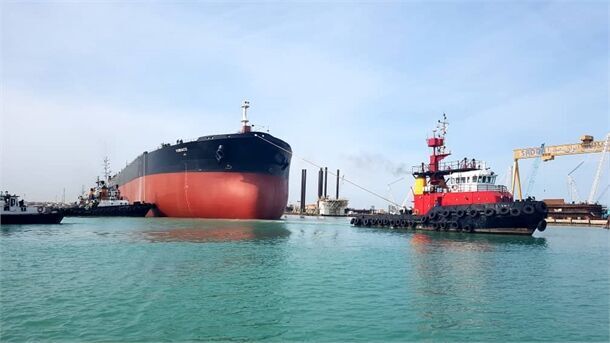
The Strait's closure after the initial attacks caused global oil prices to exceed $100 per barrel of Brent crude, disrupting energy and fertilizer shipments. Since reopening on June 18, at least 172 vessels have transited the Strait, with 42 ships passing on Saturday alone, according to data from maritime intelligence firm Kpler. However, this remains well below the pre-conflict average of 138 crossings per day, and ship-tracking data shows over 200 tankers waiting inside the Strait.
Rubio's tour of the Gulf region, which includes the UAE, Kuwait, and Bahrain, aims to solidify support for the deal and ensure that international law is upheld, particularly regarding freedom of navigation. The US and its allies are pushing for a stable resolution that secures the Strait's open status and prevents future disruptions to global trade.