Ravens Cancel Maxx Crosby Trade Due to Medical Concerns
The Baltimore Ravens have backed out of a blockbuster trade agreement to acquire five-time Pro Bowl defensive end Maxx Crosby from the Las Vegas Raiders. According to ESPN sources, the decision came after medical concerns arose during Crosby's physical examination. The trade, which would have sent two first-round picks to Las Vegas, was contingent on the player passing the physical and highlights the critical role medical evaluations play in high-stakes NFL transactions.
The Baltimore Ravens' pursuit of elite pass-rushing talent has hit a significant roadblock. The team has officially "backed out" of a trade agreement that would have brought five-time Pro Bowl defensive end Maxx Crosby from the Las Vegas Raiders to Baltimore. According to league sources who spoke with ESPN, the decision was precipitated by medical concerns that surfaced during Crosby's physical examination. This development underscores the high-risk nature of NFL trades, where multi-million dollar agreements can unravel based on medical assessments.

The Trade Agreement and Its Collapse
The proposed trade was a significant move for both franchises. The Ravens had agreed to send their 14th overall pick in the upcoming NFL draft and a first-round selection in 2027 to the Raiders in exchange for Crosby. This deal would have ended Crosby's seven-year tenure with Las Vegas and provided Baltimore with a premier edge rusher to address one of their most glaring weaknesses. However, as reported by ESPN's Ryan McFadden, all NFL trades are contingent upon players passing physical examinations and do not become official until the start of the new league year.
The physical examination revealed concerns significant enough for the Ravens' medical staff to recommend backing out of the agreement. While the specific details of the medical findings were not publicly disclosed by the team, the timing relates to Crosby's recent knee surgery. The defensive end underwent a procedure in January to repair a torn meniscus in his left knee—an injury he played through during parts of the previous season before being shut down for the final two games.
Medical Context and Recovery Timeline
Crosby's medical situation presents a complex evaluation for any team considering a major investment. His agent, CJ LaBoy, issued a statement asserting that Crosby is "ahead of schedule" in his recovery, according to his surgeon, Dr. Neal ElAttrache. Dr. ElAttrache himself told ESPN's Adam Schefter that Crosby is "doing very well in the early part of his rehab" and is "on track in his planned program."
However, Dr. ElAttrache also acknowledged the challenge facing the Ravens' medical staff, noting the difficulty of providing a future risk assessment early in the recovery process, especially for an elite player requiring a major commitment. Crosby was approximately eight weeks post-surgery at the time of the physical and had recently gotten off crutches. The Ravens, who have a history of voiding agreements due to physical issues—including deals with Ryan Grant in 2018 and Michael Brockers in 2020—evidently deemed the risk too great.
Immediate Aftermath and Roster Implications
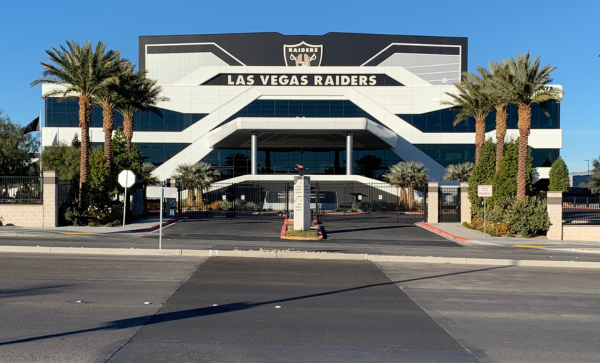
The collapse of the trade leaves both teams in altered positions. For the Raiders, as reported by ESPN sources, the front office was set to meet to determine their next steps. They are now prepared to have Crosby return to play for Las Vegas, but have also received calls from other teams inquiring about his availability. The situation is complicated by the Raiders' aggressive spending in free agency, having committed significant cap space to players like center Tyler Linderbaum and linebacker Quay Walker.
For the Ravens, the need for pass-rush help remains acute. The team recorded only 30 sacks last season, tied for the second-fewest in franchise history. Losing out on Crosby means Baltimore must continue its search for an impact edge defender through other trades, free agency, or the draft. The Ravens hold the 14th overall pick, which was part of the Crosby trade package and is now back in their possession.

Broader NFL Context and Precedent
This incident is not an isolated one in the NFL. Teams routinely make multi-year financial commitments based on thorough medical evaluations, and deals can disintegrate at the last moment when red flags emerge. The Ravens themselves have a documented history of this approach, having backed out of agreements with safety Brock Marion in 1997, receiver Ryan Grant in 2018, and defensive lineman Michael Brockers in 2020 after physical examinations raised concerns.
The situation highlights the delicate balance teams must strike between acquiring talent and managing long-term health risks. For players like Crosby, who publicly expressed excitement about joining a new team—even posting a farewell video to Raiders fans and expressing his commitment to bringing a championship to Baltimore—the business realities of the NFL can be stark and disappointing.
As the new league year begins, the fallout from this canceled trade will influence both teams' strategies. The Ravens must pivot to other options to bolster their defense, while the Raiders must decide whether to keep Crosby, attempt to re-package a trade with another team, or proceed with him as a cornerstone of their defense. The episode serves as a reminder that in the high-stakes world of NFL transactions, even the most promising deals are not final until the ink is dry and the physical is passed.