Read on PBS News
Understanding the Landmark Bipartisan Housing Bill: A Comprehensive Overview
The new bipartisan housing bill, described as the most significant federal housing policy overhaul in decades, aims to boost housing supply without new spending. It addresses the housing affordability crisis by streamlining regulations, promoting manufactured housing, and restricting large institutional investors. Former HUD Secretary Shaun Donovan explains the bill's potential impact and the need for local implementation.
The recent bipartisan housing bill, which has garnered significant attention for its ambitious goals, represents the most substantial overhaul of federal housing policy in decades. Despite not including any new spending, the legislation is designed to address the nation's deepening housing affordability crisis by making it cheaper and easier to build homes across the country. The bill's core strategy is to boost supply by streamlining regulations and removing barriers that have long hindered construction. To understand the potential impact of this landmark legislation, experts like former HUD Secretary Shaun Donovan have weighed in, highlighting both its transformative potential and the critical need for effective local implementation.

Key Provisions of the Housing Bill
The legislation contains dozens of provisions aimed at tackling the housing supply shortage from multiple angles. One of the most talked-about measures is the ban on large institutional investors, such as private equity firms, from owning more than 350 single-family homes. This provision is intended to prevent large-scale corporate ownership from driving up prices for individual homebuyers. However, as Secretary Donovan noted, the provision required careful bipartisan negotiation to avoid unintended consequences that could have hindered the construction of affordable housing. The final version is seen as a balanced approach that curbs speculative buying while not impeding needed development.
Streamlining Environmental Reviews and Zoning Restrictions
Another critical set of reforms focuses on speeding up the building process. The bill includes provisions to streamline environmental reviews, which can often delay projects for years. It also addresses restrictive local zoning laws that limit the type and density of housing that can be built. For example, the bill encourages the allowance of single-stair buildings, a design common in other countries that can enable more efficient use of land in urban areas. These changes, while seemingly niche, are designed to reduce the time and cost associated with bringing new housing to market, directly tackling the supply shortage that has driven up prices by 54% since 2020.
The Role of Manufactured Housing
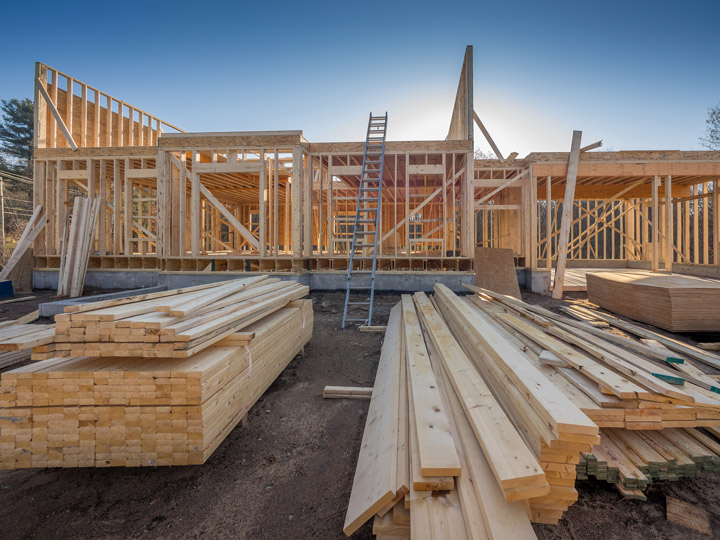
A potentially transformative element of the bill is its focus on manufactured and modular housing. The United States currently has thousands of different building codes, a fragmented system that makes it difficult for manufacturers to produce homes at scale. The new legislation aims to remove restrictions on manufactured homes, paving the way for a more modern, factory-built housing sector. Other countries have successfully used this approach to dramatically reduce construction costs. By standardizing some regulations and removing outdated barriers, the bill could unlock a new wave of affordable, high-quality housing that can be built more quickly and cheaply than traditional on-site construction.
Implications for Local Implementation
While the federal bill sets the stage, its success ultimately depends on implementation at the local level. Mayors, governors, and local councils will need to embrace the reforms and adjust their own zoning and building codes to align with the new federal framework. Secretary Donovan emphasized that "Congress did its job; now it's time for all the rest of us to do our jobs." This includes not only government officials but also the private and nonprofit sectors, which must step up to finance and build the housing that is so desperately needed. The urgency on the ground is high, as housing affordability has become the top economic issue for most American families.

Addressing the Housing Crisis
Critics have argued that the bill represents only marginal reforms and that the true driver of housing costs is interest rates. While acknowledging that interest rates do have a significant impact, Secretary Donovan countered that this impact is cyclical and temporary. The fundamental, long-term problem is a chronic lack of supply. The bill's comprehensive approach—from environmental reviews to manufactured housing—is designed to address this structural issue. The hope is that by making it cheaper and easier to build, the country can begin to close the nearly 7-million-unit housing shortage that has fueled the current affordability crisis. As Donovan noted, "We didn't get into this crisis overnight, and to solve the housing supply challenge, we're not going to get out of it overnight."
Conclusion
The bipartisan housing bill marks a pivotal moment in U.S. housing policy. By focusing on increasing supply through regulatory reform and innovative construction methods, it offers a long-term solution to the affordability crisis. While its full impact will take years to materialize and depends on diligent local implementation, the legislation provides a critical framework for change. As housing remains the most expensive item in most family budgets, the bill's success could have a profound effect on the economic well-being of millions of Americans. The path forward requires sustained effort from all levels of government and the private sector to realize the promise of this landmark legislation. More information can be found from the PBS NewsHour report on this topic.