UK Royal Marines Seize Russian ‘Shadow Fleet’ Tanker in English Channel
UK Royal Marines commandos conducted a historic operation in the English Channel, boarding and seizing a Russian-linked oil tanker suspected of breaching sanctions. The operation, which lasted six hours and involved Chinook helicopters and a Royal Navy frigate, caused at least six other tankers to change course. This marks the first UK-led boarding of a vessel from Russia’s ‘shadow fleet’ and signals a new phase in Western efforts to disrupt Moscow’s oil revenues funding the war in Ukraine.
In a significant escalation of Western sanctions enforcement, the United Kingdom’s Royal Marines have conducted a first-of-its-kind operation in the English Channel, boarding and seizing a Russian-linked oil tanker suspected of breaching international sanctions. The raid, which took place in the early hours of Sunday, June 14, 2026, involved elite commandos descending from Chinook helicopters onto the vessel Smyrtos, and has already caused other tankers to alter their routes, signaling a major shift in the enforcement of measures against Russia’s shadow fleet.

The Operation: What Happened
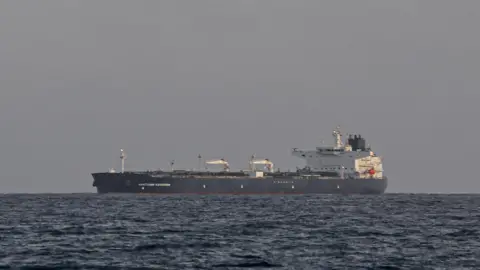
The target of the operation was the oil tanker Smyrtos, which was sailing under a Cameroonian flag and carrying approximately 700,000 barrels of Russian oil. According to vessel-tracking data from MarineTraffic, the tanker had departed the Russian Baltic port of Ust-Luga on June 5 and was heading for Port Said in Egypt. The vessel is registered to a Hong Kong-based company, Zhao Yao Shipping Ltd, which owns several other sanctioned tankers, and its management is listed in Tamil Nadu, India.
The Ministry of Defence (MoD) reported that Royal Marines commandos, along with officers from the National Crime Agency (NCA), boarded the tanker using ropes from Chinook helicopters, supported by a Royal Navy frigate, a minehunter, and other military aircraft. The operation lasted six hours, during which the crew of 24 Georgian and Indian nationals remained aboard. The tanker is now anchored off the Dorset coast, where it will be monitored for environmental or safety concerns. Notably, the raid was conducted despite the presence of a Russian warship, the frigate Admiral Grigorovich, which has been stationed near the UK since April and has escorted numerous Russian tankers through the Channel.

Why Russia Uses a ‘Shadow Fleet’
The term “shadow fleet” refers to a network of hundreds of aging tankers used by Russia to transport its oil and circumvent Western sanctions imposed after the full-scale invasion of Ukraine in 2022. These vessels often use false registrations, limited insurance, and concealed movements to avoid detection. Along with other Western nations, the UK has barred these ships from its ports and prohibited British companies from providing insurance, brokerage, or financial services for ships transporting Russian oil.
Alexander Lord, a defence analyst at London intelligence firm Sibylline, explained to Al Jazeera that while sanctions have increased costs and complications for Russia, they have not stopped exports entirely. “Russia has a significant customer base and continues to trade its oil at a heavy discount, particularly to countries such as India and China,” Lord said. “The sanctions are undoubtedly causing problems for the Russian economy, but Russia is constantly trying to find loopholes to protect its fleet.”
Why the UK Acted Now
The operation follows a March announcement by Prime Minister Keir Starmer that UK authorities would be empowered to stop, board, and detain sanctioned vessels transiting British waters. However, the legal framework sat in place for 11 weeks before being used, during which time more than 200 sanctioned tankers sailed through Britain’s exclusive economic zone unchallenged.
Defence analyst and historian Peter Caddick-Adams told Al Jazeera that the delay was due to legal issues and the potentially high cost of storing seized vessels. “The authority for this operation has existed since March, but it was not until now that the UK acted,” he said. The operation follows a broader Western effort, including the US seizure of a Russia-linked tanker off Scotland in January and French detentions of similar vessels earlier in 2026.
Impact on Russia’s Oil Exports
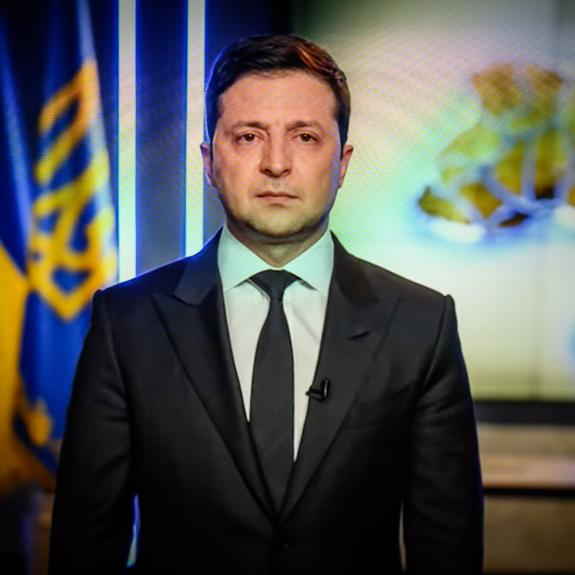
Ukraine’s President Volodymyr Zelenskyy welcomed the seizure, thanking the UK for its “principled resolve” in a post on X. Analysts say the operation is unlikely to significantly disrupt Russia’s overall oil exports but will increase costs and force some vessels to take longer, riskier routes. Following the raid, at least six other tankers immediately changed course away from the English Channel. Avoiding this waterway adds about 926 kilometers (500 nautical miles) to a journey from Russia to the Suez Canal, forcing tankers to traverse the North Atlantic instead.
“I don’t think this changes the broader picture,” Lord noted. “Russia’s response is likely to be asymmetric, with vessels taking longer routes to reduce risk.” The MoD has already imposed sanctions on more than 500 shadow-fleet vessels, contributing to a 24 percent decline in Russian oil and gas revenues in 2025 compared with the previous year.
Could Russia Retaliate?
Both Lord and Caddick-Adams assess that retaliation is unlikely, given Russia’s muted response to similar French operations. “There have been no repercussions against other nations boarding shadow-fleet tankers, and none are expected against the UK,” Caddick-Adams said. The aging and poorly maintained shadow fleet is designed primarily for evasion, and this operation simply makes it more difficult for Moscow to move its oil globally.
The seizure of the Smyrtos marks a pivotal moment in the enforcement of Western sanctions. As the UK and its allies intensify efforts to choke off Russia’s oil revenues, the shadow fleet faces unprecedented scrutiny, and the legal and economic costs of evading sanctions are rising. For now, the English Channel has become a frontline in the economic war against Russia’s invasion of Ukraine.