Read on bbc.com
The Fragile Ceasefire: Assessing the US-Iran Deal After the War
The recent agreement between the United States and Iran to end hostilities and reopen the Strait of Hormuz marks a dramatic turn in a conflict that began on February 28. While the deal brings immediate relief to global markets and millions of civilians, it fundamentally leaves the strategic landscape unchanged. The war, initiated by a series of surprise attacks on Iranian leadership, failed to achieve its primary objective of regime change. Instead, it has emboldened Tehran's new hardline leadership, damaged US alliances in the Gulf, and exposed the limits of American military dominance. This article analyzes the terms of the ceasefire, the geopolitical repercussions, and the uncertain road ahead for nuclear negotiations and regional stability.
The war between the United States, Israel, and Iran has ended with a ceasefire agreement that reopens the Strait of Hormuz and defers the most contentious issues to future negotiations. In essence, the sides have returned to the exact positions they occupied 24 hours before the conflict began on February 28. The only difference is that thousands are now dead, and the region's political landscape has been fundamentally altered.
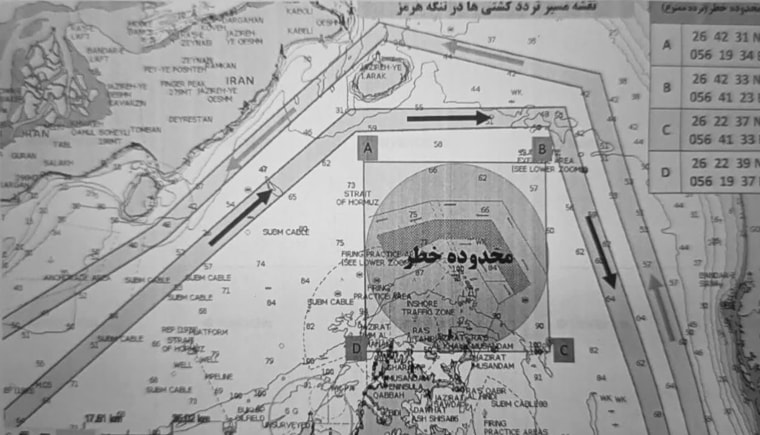
The agreement, which President Donald Trump heralded as a victory, extends a ceasefire and lifts the US Navy's blockade of Iranian ports. According to the BBC's Jeremy Bowen, the memorandum of understanding is a two-page, 14-point document that focuses on de-escalation. It leaves the nuclear question and the level of sanctions relief for Iran to be resolved in future talks. This strategic deferral is perhaps the most telling aspect of the accord, revealing that neither side was willing to push their military campaigns to a decisive conclusion.
The Unraveling of a War Based on Miscalculation
The war began with a stunning misjudgment by US and Israeli intelligence. The opening salvo, a series of devastating surprise attacks, included an Israeli strike that killed Iran's Supreme Leader, Ayatollah Ali Khamenei, and a US bombing of a school in Minab that killed over 150 civilians, mostly girls under the age of 12. The architects of the war, President Trump and Prime Minister Benjamin Netanyahu, believed these blows would cause the regime in Tehran to collapse. Instead, they galvanized the regime.
A New Generation of Leadership in Tehran
The regime not only survived but was strengthened in the aftermath of the attacks. Khamenei was quickly replaced by his son, Mojtaba, and a younger cadre of commanders from the Islamic Revolutionary Guards Corps rose to power. These new leaders, every bit as ideological as the old guard, proved to be less cautious and more willing to engage in high-risk strategies. They executed a well-planned strategy of closing the Strait of Hormuz and attacking US forces, bases, and Israel itself, demonstrating that America's initial claims of crippling Iran's military were exaggerated.
Geopolitical Consequences and a Shift in Alliances
The war has been a severe blow to American credibility and its network of alliances. The oil-producing Arab monarchies of the Gulf, whose stability is central to the regional order, have seen their business model irreparably damaged. Privately, their officials are now discussing the need to diversify their allegiances and find ways to coexist with Iran. China has observed the conflict closely, noting how the United States burned through vital weapons stocks and revealed the limits of its power.

Israel's Dilemma and Potential Spoiler Role
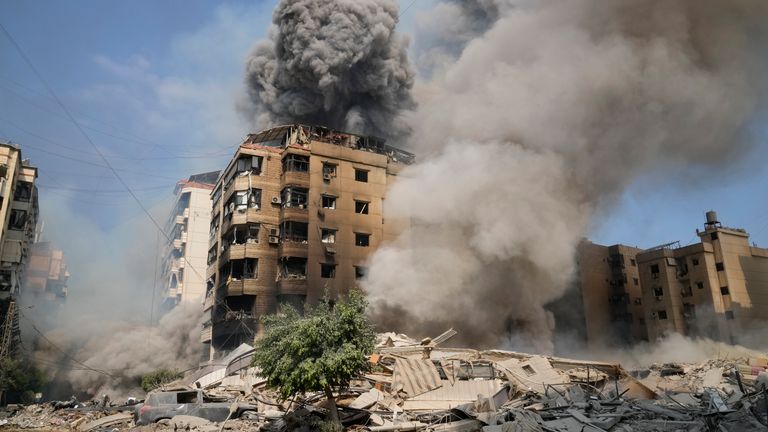
Israel was a full partner in the war but was excluded from the ceasefire negotiations. Prime Minister Netanyahu now faces intense domestic pressure. Hardliners in his cabinet are calling for continued offensive action in Lebanon and even the annexation of its southern territory. An Israeli air strike on the southern suburbs of Beirut on Sunday was widely interpreted as an attempt to derail the negotiations. However, the attack only seemed to accelerate the talks, as both Washington and Tehran realized the window for de-escalation was closing. Trump has reportedly been venting his frustration with Netanyahu in recent interviews, signaling a potential rift between the two allies.
Human and Economic Toll
Beyond the geopolitical chess game, the war has had a devastating human cost. Thousands of people in the Middle East have been killed, and homes and businesses have been destroyed. The disruption of supplies through the Strait of Hormuz has had a global impact, threatening food security in poor nations, particularly in Africa south of the Sahara, by disrupting the supply of agricultural fertilizers. The reopening of the strait will provide immediate relief to the global economy and the hundreds of millions of hard-pressed people whose lives depend on it.

The Fragile Path Forward
While the memorandum of understanding provides a pause for breath, it is far from a peace deal. The underlying issues of ideology and a total lack of trust remain. For the United States, the conflict has been a lesson in the limits of power. As diplomacy resumes, the world watches to see if this fragile agreement can be transformed into a sustainable grand bargain or if it is merely a prelude to the next round of conflict.